

New online safety rules come into force from today which will require video-sharing platforms to have effective age verification systems in place.
Social media sites such as Instagram, Facebook, TikTok and X will be legally obliged to protect users from harmful content under the Online Safety Code.
Companies will face fines for breaches of up to €20 million or 10% of a platform’s annual turnover, whichever is greater.
The rules cover content such as cyberbullying, the promotion of self-harm, suicide, eating disorders or dangerous challenges, as well as pornography and violence.
Coimisiún na Meán formally adopted the Online Safety Code in October 2024
Platforms must also have age assurance systems and parental controls in place.
Media regulator Coimisiún na Meán formally adopted the Online Safety Code in October 2024, but platforms were given nine months before the more detailed provisions of the code came into force to allow time for any IT changes that may have been needed.
Age verification
Under the rules, platforms hosting pornographic or violent material must ensure such content is not accessible without robust age checks.
The code does not mandate specific technology but states that age assurance measures based solely on self-declaration by users, are not considered to be effective.
Online Safety Commissioner Niamh Hodnett has previously said that age verification measures must be “robust, privacy-respecting, and holding data for no longer than it is necessary”.
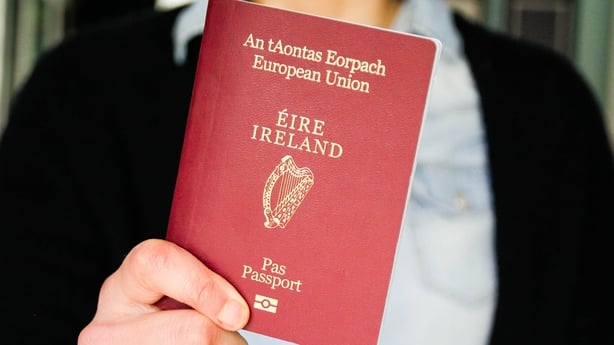
Documents such as passports or driving licences may be uploaded to verify users’ ages
Examples of age checks might include facial recognition, cognitive skills test or uploading IDs such as passports or driving licenses.
Privacy campaigners have expressed concerns about the storage of sensitive personal information used for age verification.
Video-sharing platforms
The Online Safety Code applies to video-sharing platforms that have their EU headquarters in Ireland.
In December 2023, Coimisiún na Meán designated ten platforms that would be covered.
They were Facebook, Instagram, YouTube, Udemy, TikTok, LinkedIn, X, Pinterest, Tumblr and Reddit.
Tumblr and Reddit both took unsuccessful High Court actions against Coimisiún na Meán, arguing that they should not be designated as video-sharing platforms.
In May, Coimisiún na Meán de-designated Reddit as a platform under its remit, stating that the company’s service to users in the EU is now provided by a Dutch entity.
Snapchat is not included on the designated list of platforms
Although Snapchat is incredibly popular among young people, it is not included on the list of designated platforms. This is because it does not have its EU headquarters in Ireland.
Asked about regulating Snapchat, Coimisiún na Meán said it will be working closely with its regulatory counterparts in other EU member states to hold platforms to account for how they keep their users safe.
Recommender systems not covered
Recommender systems are algorithms that determine what social media users see based on personal data such as search history, past purchases, age and location.
Campaign groups and researchers have warned that these algorithms can be “toxic” and often result in inappropriate content appearing in users’ feeds, promoting things like hate, extremism, eating disorders and self-harm.
These algorithms are not covered by the Online Safety Code.
Coimisiún na Meán has said that while it recognises that recommender systems can have harmful impacts on users, especially children, it will be best able to tackle the potential dangers of these systems through its implementation of the EU’s set of online safety rules, the Digital Services Act (DSA).
The Online Safety Code will run alongside the DSA and form part of Ireland’s overall internet safety framework.
Ireland’s code does not specifically cover disinformation, but Coimisiún na Meán has said that when disinformation crosses the threshold of being illegal content covered by the DSA, or regulated content under the code, platforms must prevent it being uploaded or shared.