
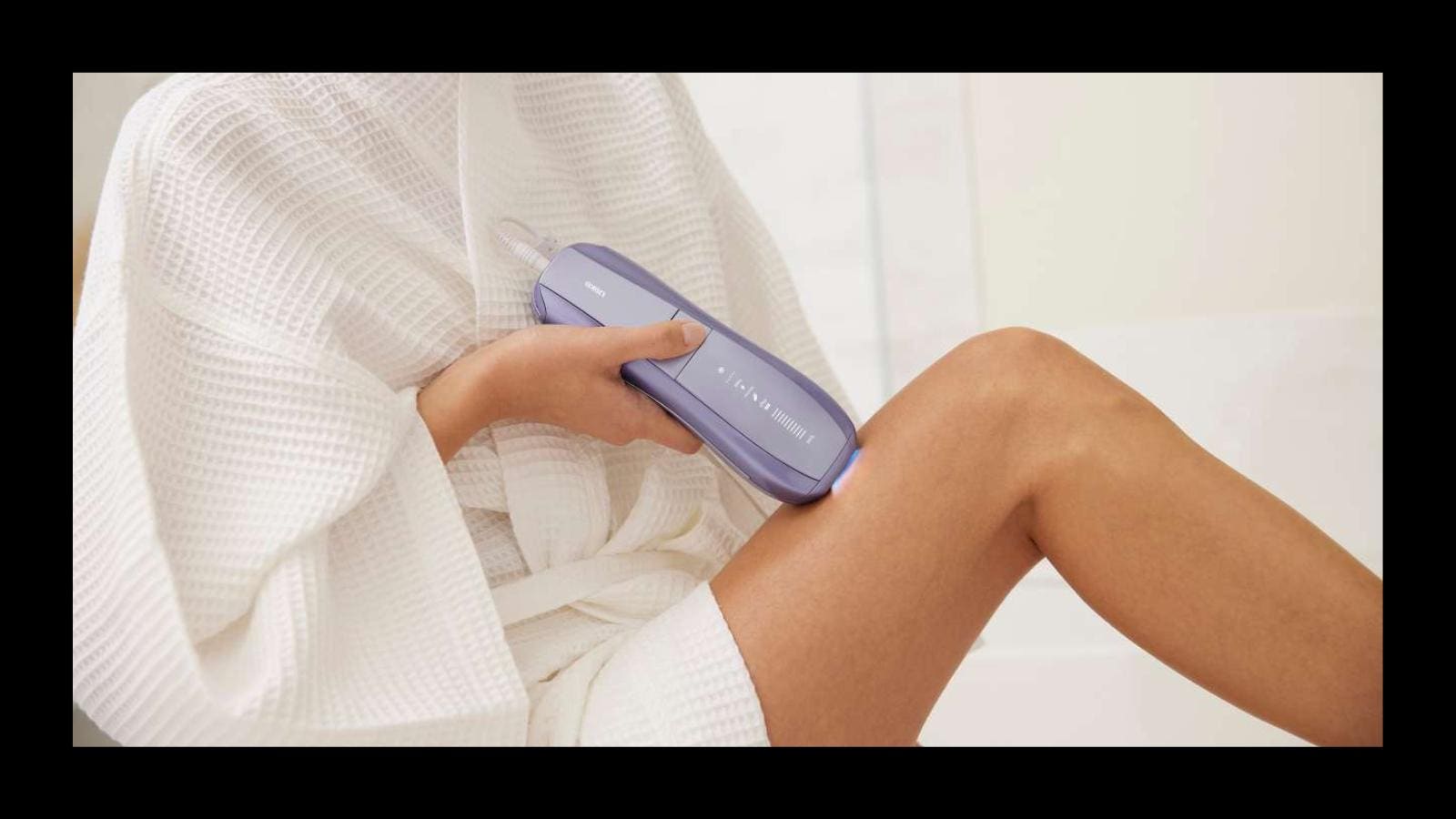
At-home laser hair removal devices are convenient and popular, but they require a learning curve, and results can be mixed. The best way to do laser hair removal at home is to prepare your skin properly, be consistent with your device use, and avoid sun exposure and irritating products during and after treatment, says Dr. Jodi LoGerfo, a board-certified dermatology nurse practitioner.
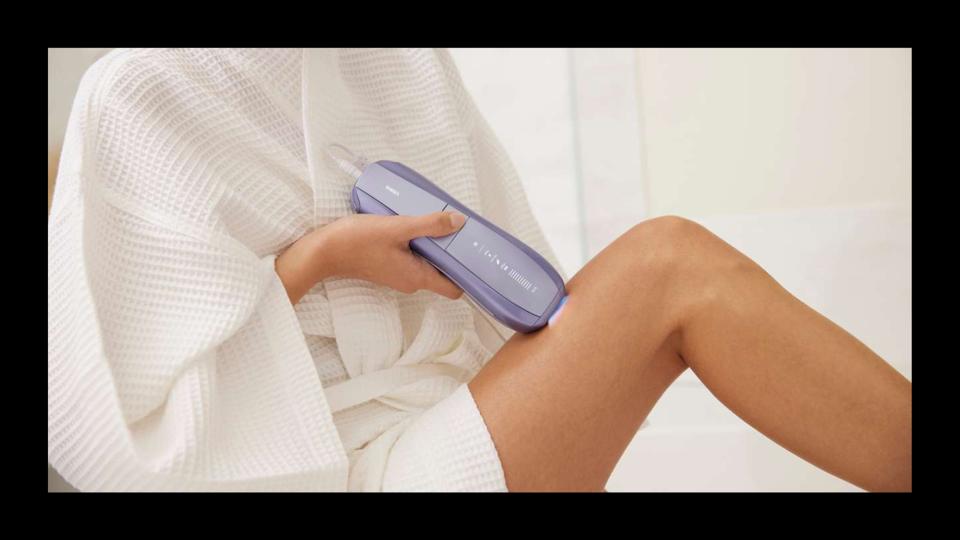
To get the best results from an at-home laser hair removal device, it’s important to prep skin well and use the tool consistently.
ILLUSTRATION: FORBES / PHOTO: ULIKE
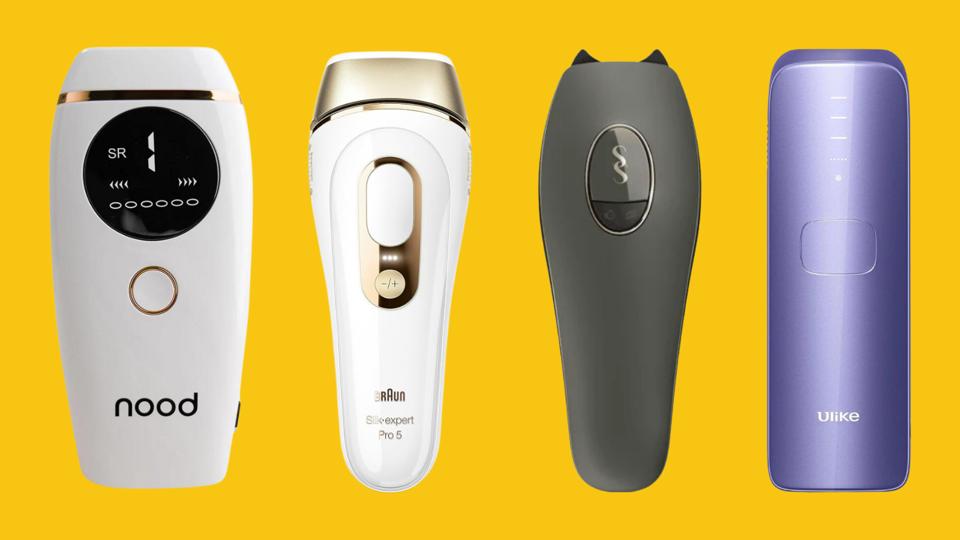
Most at-home laser hair removal devices are IPL (intense pulsed light) tools that can achieve the same results as a diode laser, although the energy level isn’t as strong as in-office options. Here, the expert-approved lowdown on best practices, so that you can get the most out of your financial and time investment. (And for more on at-home hair removal, read our guide to the best laser hair removal devices and our review of the Nood Flasher 2.0.)

Expert Tips On How To Use At-Home Laser Hair Removal
Prep With Purpose
It’s best to shave approximately one day before laser hair removal to ensure the skin isn’t irritated, making the treatment more effective and decreasing any possible side effects. “When the hair is shaved, the laser can precisely target the hair follicle underneath the skin,” says LoGerfo. Shaving also prevents laser energy from being expended—and wasted—on surface hair. If you leave hair long, you are also increasing your risk for burning, according to LoGerfo. “Hair can absorb the laser energy, which can scatter the laser light, possibly causing uneven treatment patterns of the beam and increasing the risk of skin damage, burns or skin pigment changes,” she says. The optimal hair length for laser hair removal is approximately 1 to 2 millimeters in length prior to treatment.
Be Consistent
Every at-home laser hair removal device has different intensity levels and specifies different usage recommendations, so you should always read the instructions first. “At-home lasers work at lower energy levels compared to professional devices and require multiple treatments to get to a place where you have substantial hair removal,” says LoGerfo. You also need to be consistent with sessions because hair grows in different stages, and laser removal only targets hair in the active growth, or anagen, phase. The takeaway: You have to put in the time to see results. As an example, it’s recommended that you use the Nood Flasher 2.0 twice a week, and it can take up to eight weeks to permanently remove hair. “It is hard to say how many treatments are necessary, though, because everyone’s response to laser is different,” says LoGerfo.
Practice Smart Skin Care
There are a few key safety best practices to follow when using an at-home laser device. First, the sun should be avoided for at least 48 to 72 hours after at-home laser hair removal, as it makes the skin more sensitive to light. “After an at-home laser treatment, the skin is more sensitive to the effects of the sun and more vulnerable to damage,” says LoGerfo. To avoid issues like hyperpigmentation or a bad skin reaction, skip the trip to the beach and opt for mineral sunscreen because it’s less likely to irritate sensitive skin.
Another thing to avoid: Skincare products like retinoids, salicylic acid, glycolic acid, or exfoliants that can make skin more irritated and sensitive to the effects of the laser. Overall, it’s best—and safest—to do at-home laser hair removal when skin is pale so the laser can differentiate between the hair follicles and surrounding skin. “Other products that should be shunned are self-tanners and skin stains because these can increase the amount of target in your skin, which can increase your risk of burns and skin complications,” says LoGerfo.
Why Trust Forbes Vetted
At Forbes Vetted, our beauty team has extensive experience covering skincare and shaving. Some of our stories include the best electric razors for women, the best LED face masks and the best vitamin C serums.