
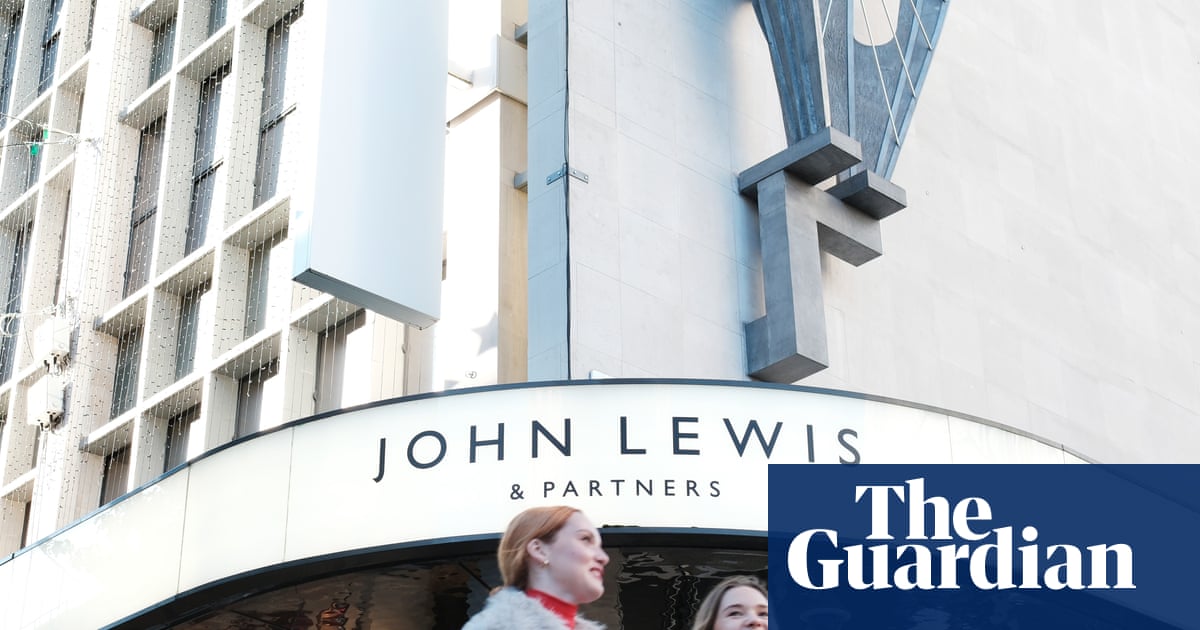
The owner of John Lewis and Waitrose has said its losses widened to £88m in the first half of this year, as it took a hit from restructuring costs as well as new tax and regulatory charges.
John Lewis Partnership, which operates 36 department stores and more than 300 Waitrose supermarkets, said new packaging regulations and national insurance payments had cost it £29m, while it spent £54m on restructuring its business.
As a result, the employee-owned group posted a near-tripling of pre-tax losses from £30m over the same period a year before, despite a 4% rise in sales to £6.2bn in the six months to 26 July.
The group said it expected the “macroeconomic environment to remain challenging”, but it was stepping up investment so that it was “positioned to deliver full-year profit growth”.
John Lewis workers are hoping for a revival in annual profits as they have not received an annual bonus since 2022.
First-half sales at Waitrose rose by 6% to £4.1bn as underlying profits slipped back £3m to £110m.
In the department store business, sales rose by 2% to £2.1bn as John Lewis said it was “outperforming a market impacted by ongoing economic uncertainty”, however underlying losses surged to £53m.
Jason Tarry, chair of the partnership, said: “Our clear focus on accelerating investment in our customers and our brands is working: more customers are shopping with us, driving sales, and helping Waitrose and John Lewis outperform their markets.”
The group said it had invested £191m in revamping stores and other initiatives including bringing back its “never knowingly undersold” price pledge as well as shifting staff hours to busier times in its supermarkets and department stores and bringing in extra workers funded by fashion brands to help improve customer service.
Last week, John Lewis announced plans to host fashion brand Topshop in 32 of its stores from February as the clothing brand’s only national stockist on UK high streets, in a drive to attract younger shoppers and their mothers. Topshop is now owned by online specialist Asos and its only physical outlet in the UK is the Liberty department store in central London.
skip past newsletter promotion
Sign up to Business Today
Get set for the working day – we’ll point you to all the business news and analysis you need every morning
Privacy Notice: Newsletters may contain information about charities, online ads, and content funded by outside parties. If you do not have an account, we will create a guest account for you on theguardian.com to send you this newsletter. You can complete full registration at any time. For more information about how we use your data see our Privacy Policy. We use Google reCaptcha to protect our website and the Google Privacy Policy and Terms of Service apply.
after newsletter promotion
Retailers are battling lacklustre demand, as shoppers rein in spending on non-essentials in the face of high energy bills and steep food price inflation. Changes to employers’ national insurance payments and an increase in the minimum wage introduced in April have underpinned high inflation and dampened hiring by retailers and hospitality businesses.
On Thursday, soft drinks company Fever-Tree said its UK sales were down 6% in the six months to 30 June. It blamed “a challenging backdrop” for bars, cafes and pubs with “higher duty, wages and business rates driving pricing pressure which is disproportionately impacting the spirit and mixer categories.”