
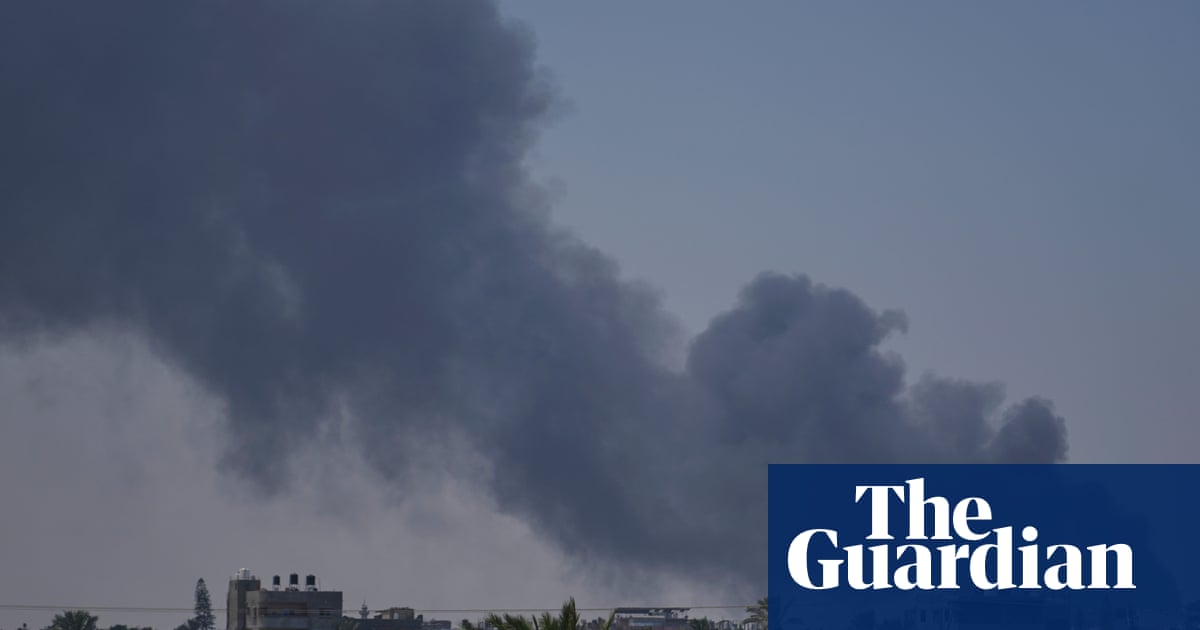
The World Health Organization has said the Israeli military attacked its staff residence and main warehouse in Deir al-Balah on Monday, compromising its operations in Gaza.
The UN agency said the WHO staff residence was attacked three times, with airstrikes causing a fire and extensive damage, and endangering staff and their families, including children.
On Monday, Israeli tanks for the first pushed into southern and eastern districts of Deir al-Balah, an area where Israeli sources said the military believes hostages may be held. Tank shelling in the area hit houses and mosques, killing at least three Palestinians and wounding several others, local medics said.
“Israeli military entered the premises, forcing women and children to evacuate on foot toward al-Mawasi amid active conflict. Male staff and family members were handcuffed, stripped, interrogated on the spot, and screened at gunpoint,” the WHO said.
Two WHO staff and two family members were detained, it said in a post on X. It said three were later released, while one staff member remained in detention.
Its director general, Tedros Adhanom Ghebreyesus said: “WHO demands the immediate release of the detained staff and protection of all its staff.”
Deir al-Balah is packed with Palestinians displaced during more than 21 months of war in Gaza, hundreds of whom fled west or south after Israel issued an evacuation order, saying it sought to destroy infrastructure and the capabilities of the militant group Hamas.
WHO said its main warehouse, located within an evacuation zone, was damaged on Sunday by an attack that triggered explosions and a fire inside. It said it would remain in Deir al-Balah and expand its operations despite the attacks.
On Monday, the UK and more than 20 other countries called for an immediate end to the war in Gaza and criticised the Israeli government’s aid delivery model after hundreds of Palestinians were killed near sites distributing food.
The WHO describes the health sector in Gaza as being “on its knees”, with shortages of fuel, medical supplies and frequent mass casualty influxes.