
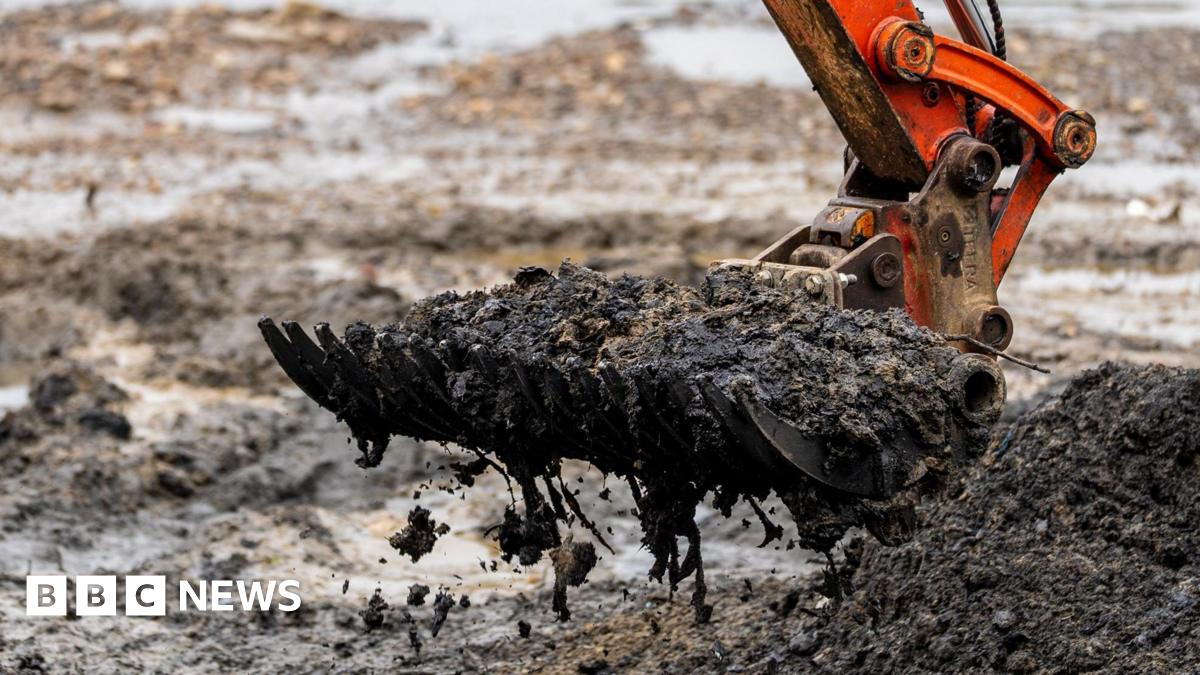
Grace Rawnsley, Port of London Authority’s director of sustainability, said: “After months of planning and hard work, we’re so pleased to have finally been able to clear this stretch of the Thames.
“The reaction of local communities – and of people across the country and beyond – has been really encouraging but also slightly incredulous that this work was needed in the first place.
“As a business which reinvests all the money we make back into the river and its communities, we are proud to have been able to drive forward this first-of-its-kind project and, while at times the work was pretty gross, it was well worth it to help clean the river.”
John Sullivan, Thames Water’s head of Tideway Integration Group, called the estimate of five million wet wipes “staggering”.
“This ‘island’ was a direct result of people flushing away wet wipes containing plastic and shows the damage that is caused by putting the wrong things down your toilet,” he said.
“Blockages caused by wipes are a leading cause of pollution and we remove an estimated 3.8 billion wipes from our network each year.”
Chris Coode, chief executive at Thames21, said the project was “a crucial step towards protecting the health of the River Thames and its wildlife”.
He added: “Thames21 and its dedicated volunteers have been building evidence for eight years.
“We want to give our volunteers a huge shout-out for their persistence. This has been a massive piece of work.”
The government has published draft legislation to ban wet wipes that contain plastic.