
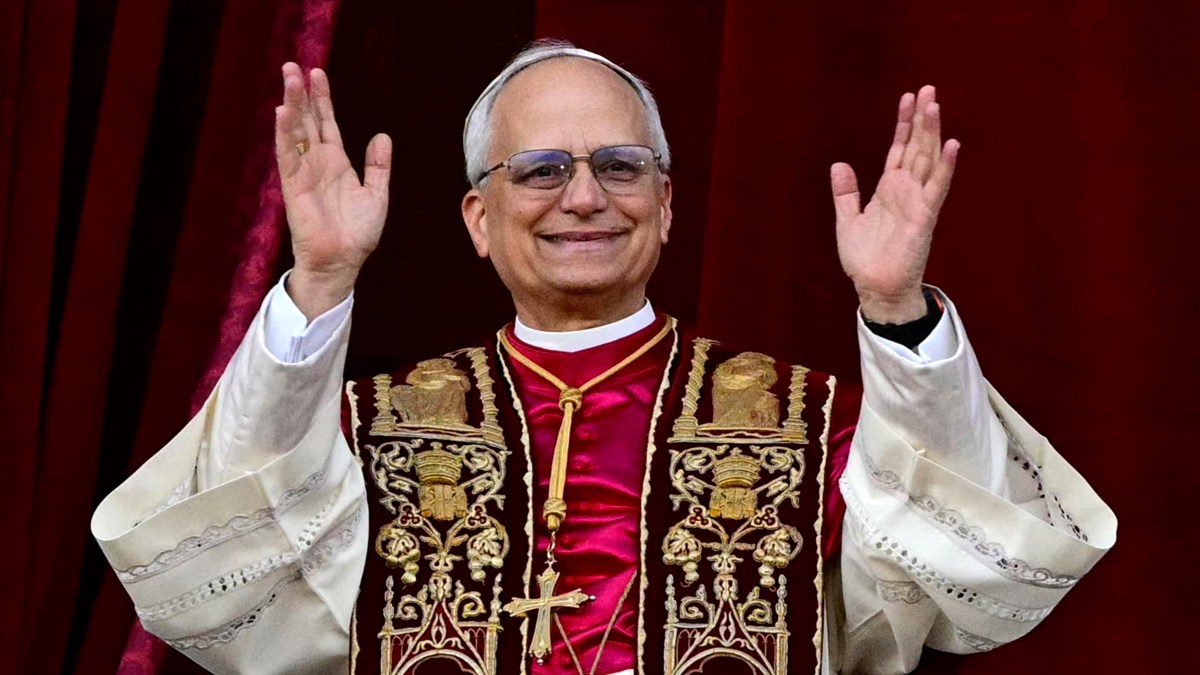
Pope Leo has condemned the huge wages earned by top chief executives, citing Elon Musk’s possible rise to trillionaire status as a concern, in his first interview since being elected in May.
The pontiff also warned that the United Nations was unable to resolve the world’s crises, admitted he was on a steep learning curve as a diplomat and revealed who he would support at the next World Cup.
Since his election the Pope, who was born Robert Prevost in Chicago, has made clear his fears for the plight of the world’s low earners — taking the papal name Leo in honour of Leo XIII, the 19th-century pontiff who campaigned for better wages and union rights for factory workers.
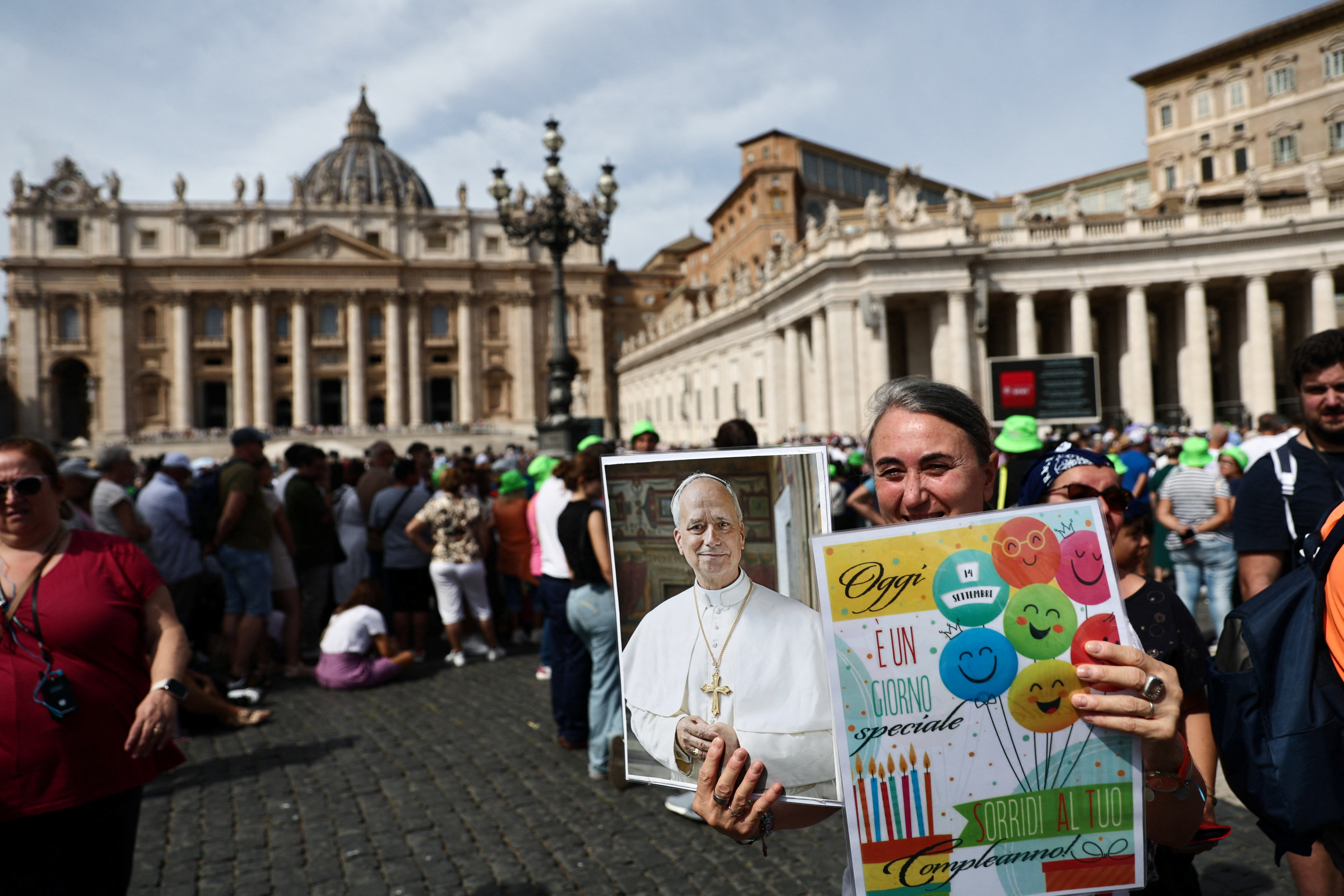
Faithfuls flocked to St Peter’s Square on Sunday to mark the Pope’s 70th birthday
VINCENZO LIVIERI/REUTERS
In excerpts from his interview, given in July and published on Sunday on the Catholic news website Crux, the first American leader of the world’s 1.4 billion Catholics said that he was worried about the world forgetting “the value of human life, of the family, and the value of society”. He asked: “If we lose the sense of those values, what matters any more?”
He said that key to that phenomenon was the widening wage gap between the rich and poor. The pope said: “For example, CEOs that 60 years ago might have been making four to six times more than what the workers are receiving, the last figure I saw, it’s 600 times more than what average workers are receiving.”
The Pope added that he had heard that “Elon Musk is going to be the first trillionaire in the world”. He said: “What does that mean and what’s that about? If that is the only thing that has value any more, then we’re in big trouble.”
The board of Musk’s car firm Tesla has proposed a $1 trillion compensation plan for him — the largest corporate pay package in history.
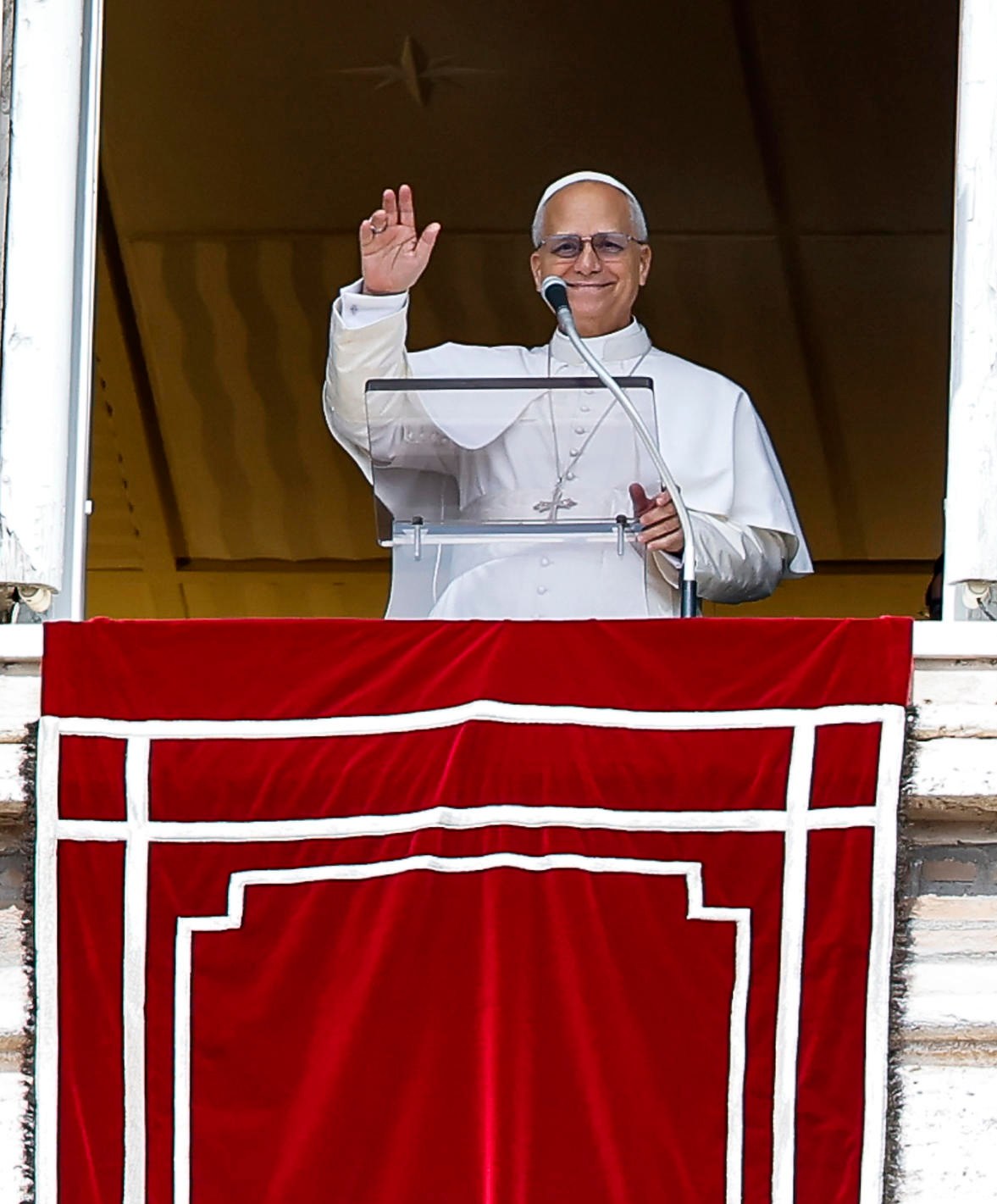
Pope Leo led prayers from the window of his office overlooking St Peter’s Square on his birthday
ANGELO CARCONI/EPA
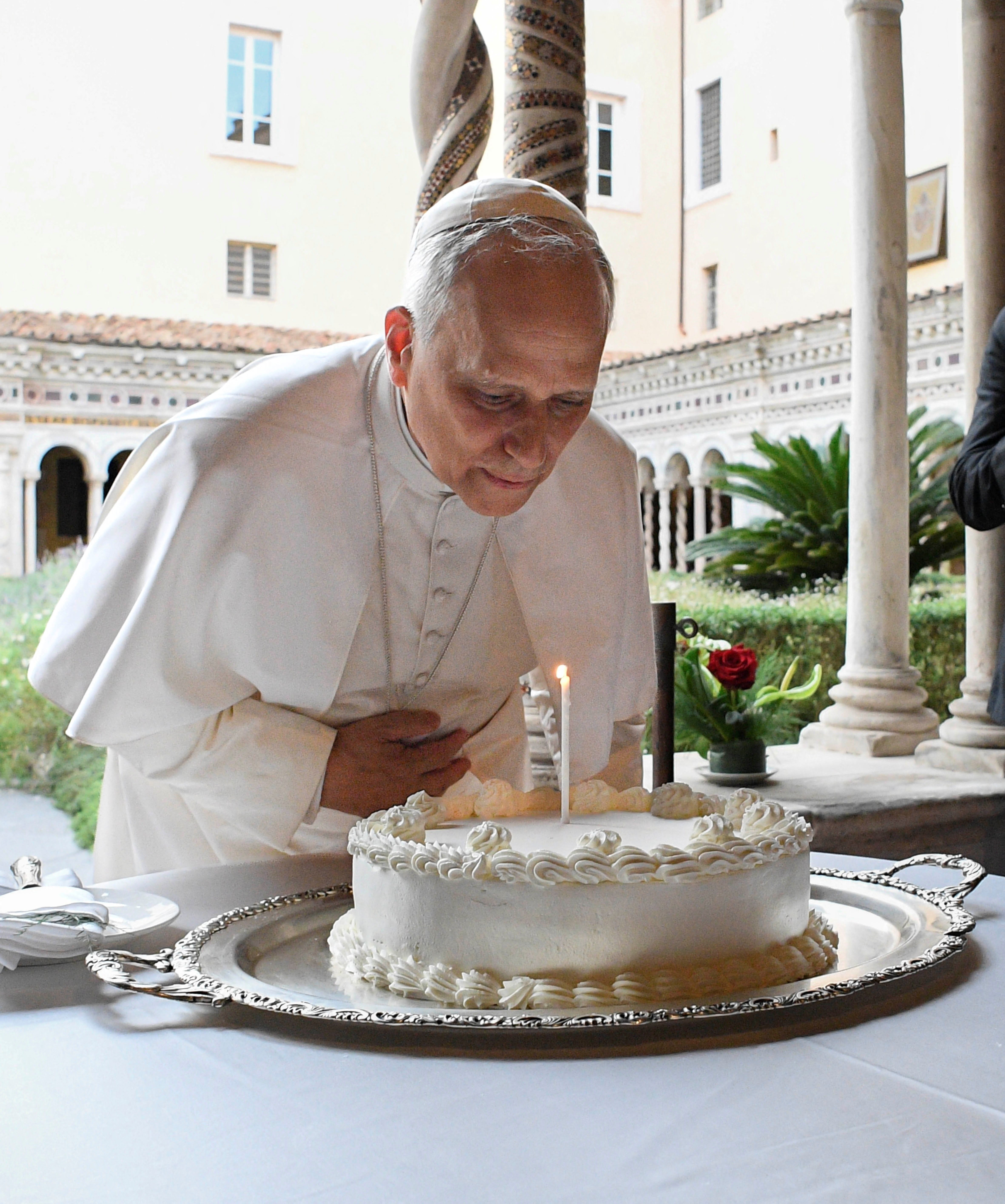
And blew out a candle on his birthday cake
VATICAN MEDIA/REUTERS
Leo said that he still had “a huge learning curve ahead” as he takes up the reins of the papacy after the death of his predecessor Pope Francis in April.
“The totally new aspect to this job is being thrown onto the level of world leader,” he said. “It’s very public, people know the phone conversations or meetings I’ve had with the heads of state of a number of different governments, countries around the world, in a time when the voice of the church has a significant role to play.
“I am learning a lot about how the Holy See has had a role in the diplomatic world for many years … Those things are all new to me in any sense of hands-on. I’ve followed current affairs for many, many years. I’ve always tried to stay up on the news, but the role of pope is certainly new to me. I’m learning a lot and feeling very challenged, but not overwhelmed. On that one I had to jump in the deep end of the pool very quickly.”
The Pope said he had realised that the United Nations was struggling to play a role in resolving wars and conflicts. He said: “In theory, the United Nations should be the place where many of these issues are dealt with. Unfortunately, it seems to be generally recognised that the United Nations, at least at this moment in time, has lost its ability to bring people together on multilateral issues.
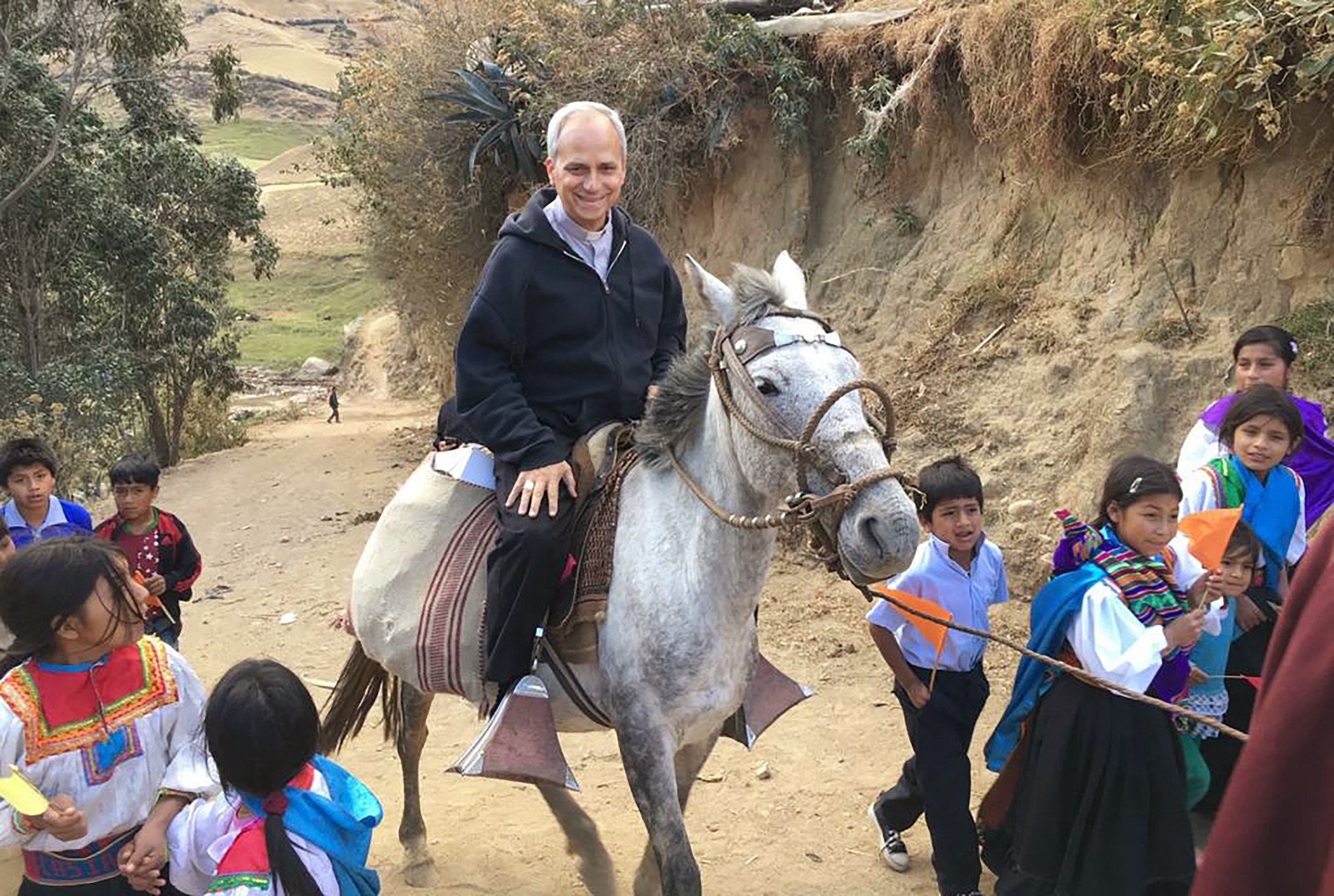
In Peru before he was elected Pope
ERNESTO BENAVIDES/CHICLAYO DIOSECE/AFP/GETTY IMAGES
“A lot of people are saying, ‘you’ve got to do bilateral dialogue’ to try and put things together, because there are obstacles in the way on different levels for the multilateral things to proceed.”
The full version of Leo’s interview will appear in Leo XIV: Citizen of the World, Missionary of the XXI Century, by Crux’s senior correspondent, Elise Ann Allen, which will be published in Spanish on September 18 and in English in early 2026.
After decades spent working in Peru, he was asked if he would support Peru or his native US at the next World Cup. “Good question,” he said. “Probably Peru and just because of affective bonds. I’m also a big fan of Italy.”
The pontiff said that he was used to arguments over sports teams since he was a lifelong fan of the Chicago White Sox baseball team, while his mother was a Chicago Cubs fan. He added: “We learnt, even in sports, to have an open, dialogical, friendly and not angry competitive stance on things like that, because we might not have gotten dinner had we been.”