
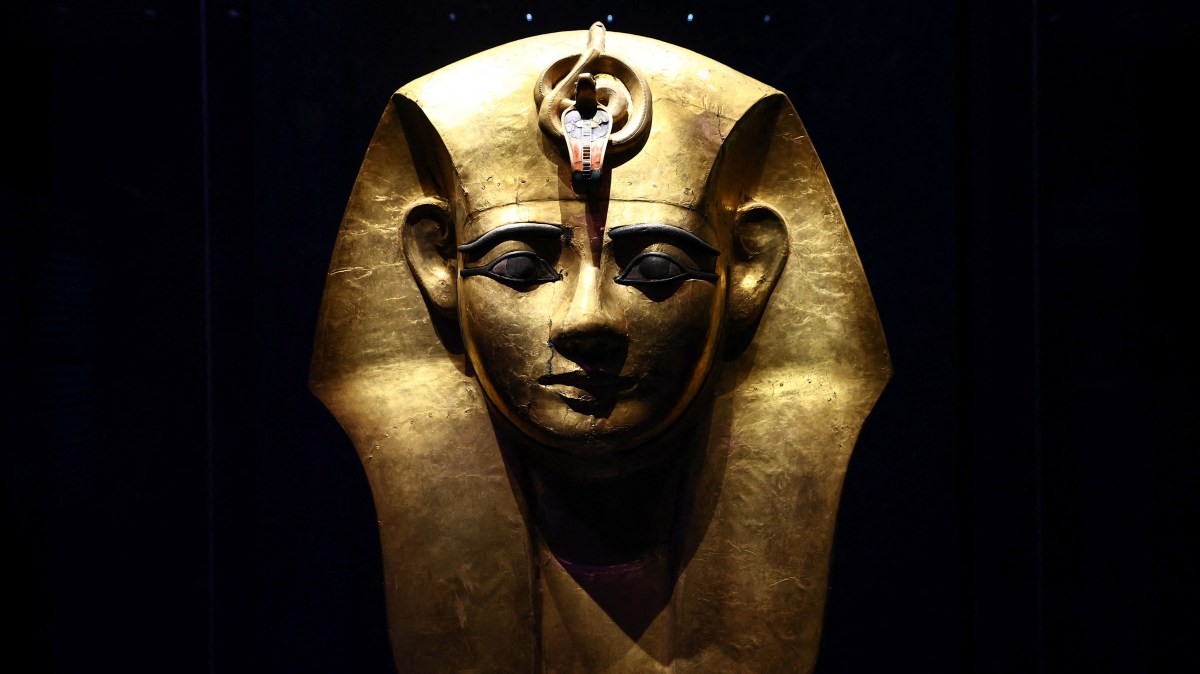
A rare gold bracelet belonging to Pharaoh Amenemope has mysteriously disappeared from the Egyptian Museum in Cairo’s Tahrir Square, and is suspected to have been stolen.
The missing artefact, initially reported by local media and some Egyptologists as belonging to Pharaoh Psusennes I, was discovered missing from the museum’s restoration department last Wednesday during a routine inventory of artefacts for the Treasures of the Pharaohs exhibition in Rome set to open at the Scuderie del Quirinale from October 24, 2025, to May 3, 2026.
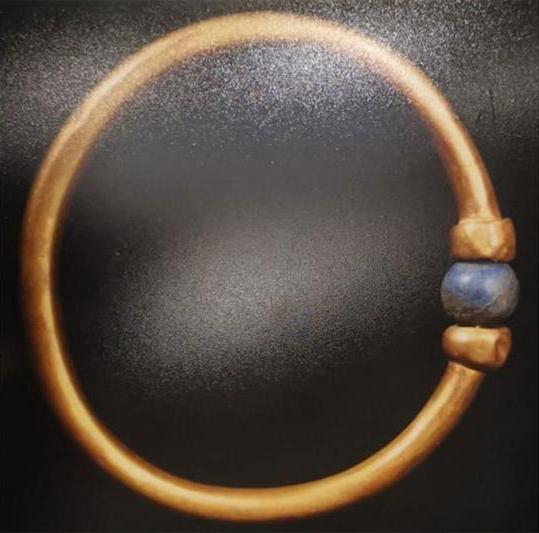
An image of the bracelet, a solid gold and lapis lazuli piece, has been circulated to archaeological units in Egypt
The Ministry of Tourism and Antiquities said on Tuesday it had delayed announcing the bracelet’s disappearance to avoid compromising investigations, after earlier reports by local news outlets and Egyptologists.
The director of the Egyptian Museum said images circulating on some news sites and social media platforms did not depict the missing bracelet, which is a gold piece with spherical lapis lazuli beads from the collection of Amenemope, a pharaoh of the Third Intermediate Period (1077 BC to 664 BC).
The Ministry of Tourism and Antiquities emphasised its commitment to transparency, promising to release the results of the investigation upon its completion. It has referred the incident to various police authorities and the public prosecution. A committee has been formed to inventory and review all items in the restoration lab, while images of the missing bracelet have been circulated to archaeological units at Egypt’s airports, ports, and border crossings nationwide.
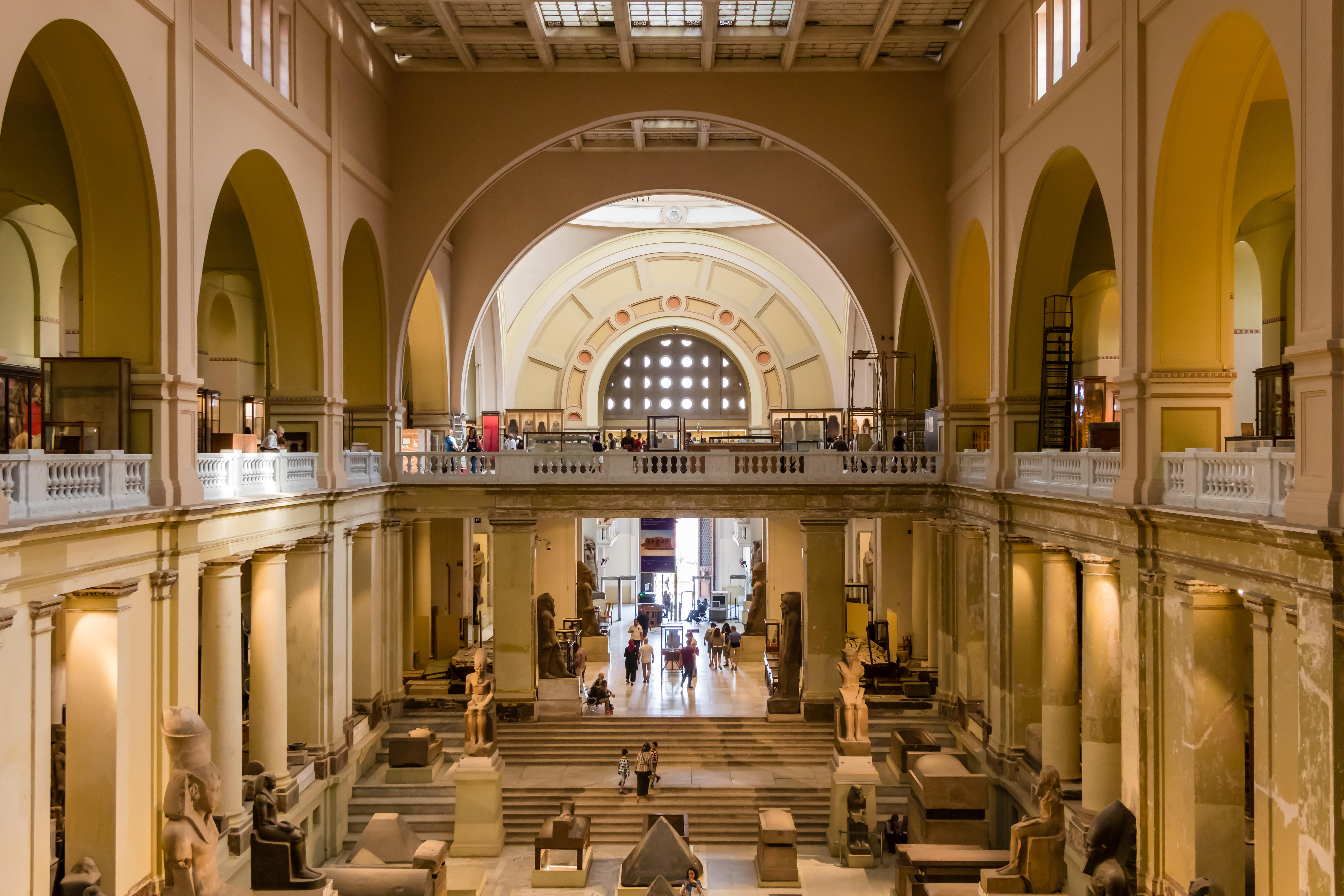
The bracelet’s disappearance was uncovered while museum staff were drawing up an inventory of objects for shipment abroad
ALAMY
Local media reported that the restoration lab lacked internal surveillance cameras, complicating efforts to trace the bracelet’s whereabouts. Investigators have detained staff linked to the lab for questioning, seized their mobile phones and are reviewing external CCTV footage to uncover details of the suspected theft.
The incident has raised concern among Egyptologists, with some questioning the merits of displaying Egyptian artefacts abroad due to the transportation process, which causes damage and losses of antiquities.
The bracelet’s disappearance is potentially one of various high-profile thefts in recent decades in Egypt. Vincent van Gogh’s painting Poppy Flowers (also known as Vase and Flowers and Vase with Viscaria), which has an estimated value of $55 million, was stolen from Cairo’s Mohamed Mahmoud Khalil Museum twice: first in 1977 and recovered after a decade, then again in August 2010 and is yet to be found.
The beard of Tutankhamun’s mask fell off in 2015 during an inventory operation at the museum. It was then reattached using a large amount of epoxy, which archaeologists consider a restoration error as remnants became visible on the beard. Eight museum officials were referred to trial and an Egyptian and German team restored the mask, which was originally discovered with the beard separated from it.
Amenemope, a pharaoh of the 21st dynasty, ruled from 993 to 984 BC, a time of political fragmentation but notable artistic achievement. His reign, centred in Tanis and succeeding Psusennes I, marked a period of cultural resilience despite Egypt’s divided state.
His burial is notable for being one of the only entirely intact royal burials known from ancient Egypt and was discovered with Psusennes I and Shoshenq II, all found inside Psusennes’s tomb by the French Egyptologist Pierre Montet between 1939 and 1940. Only the metal objects survived in the wet Nile Delta climate.
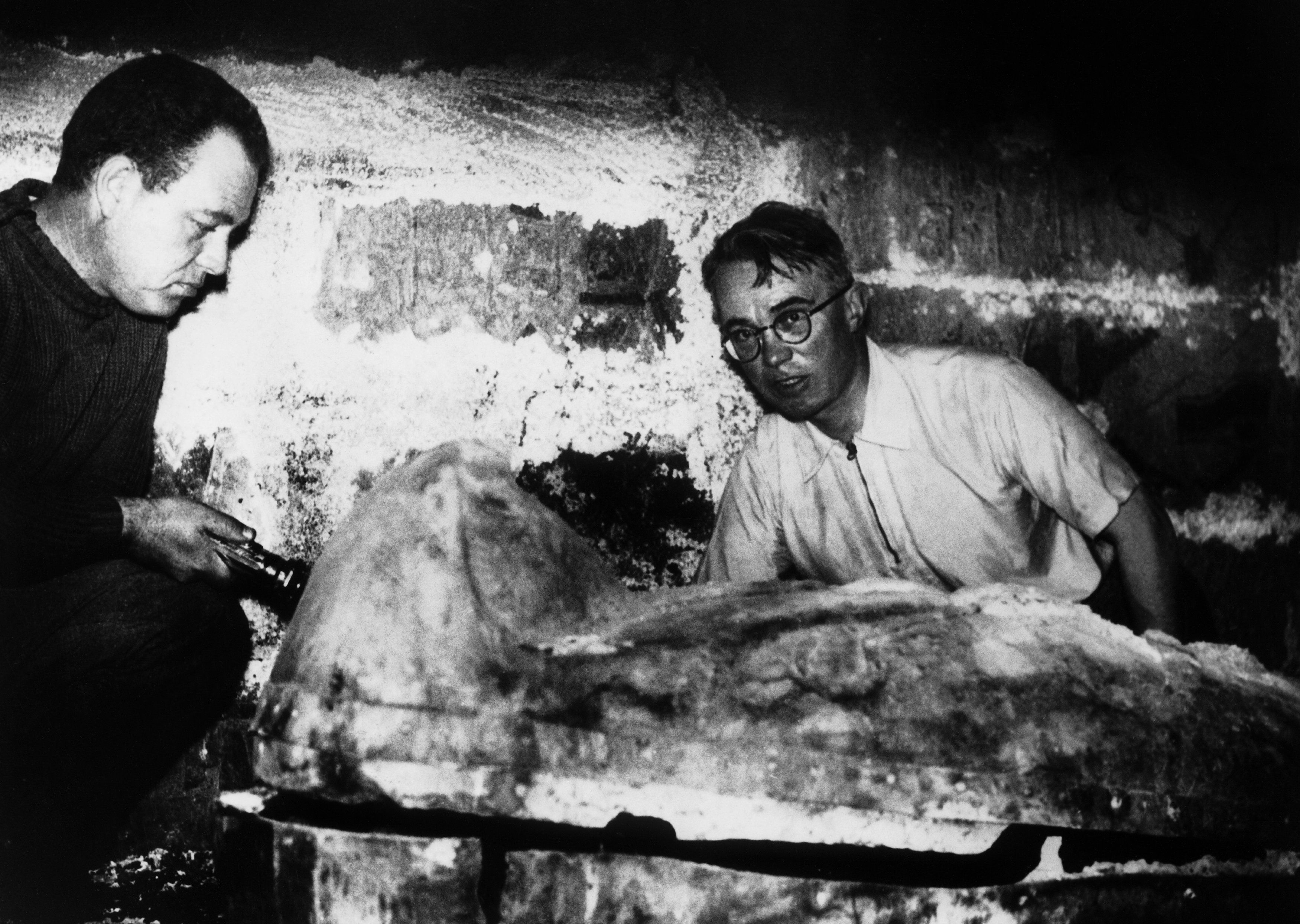
Pierre Montet’s discovery of the tomb at San el-Hagar in 1939-40 was overshadowed by the Second World War
GETTY IMAGES
Unlike Howard Carter’s 1922 discovery of Tutankhamun’s tomb, which captured worldwide attention after being first reported in The Times, Montet’s find was overshadowed by the onset of the Second World War, leaving Psusennes’s collection relatively obscure.
• Tutankhamun: how the boy king became Egypt’s most famous pharaoh
The bracelets of King Psusennes I are still on display in the museum’s second-floor galleries, the director of the Egyptian Museum said, and are unrelated to the missing artefact.