
Unlock the White House Watch newsletter for free
Your guide to what Trump’s second term means for Washington, business and the world
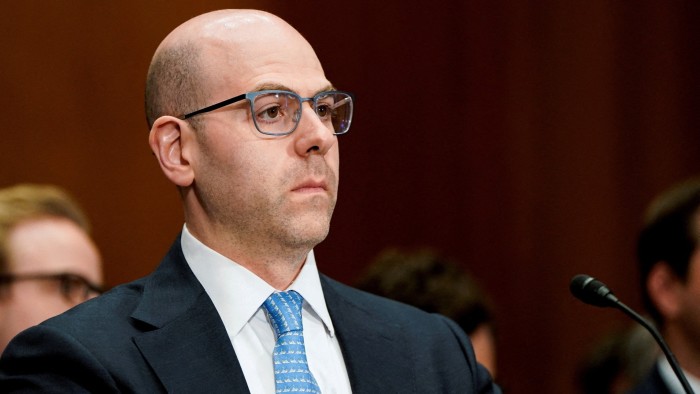
Stephen Miran, the Federal Reserve governor who was the sole dissenter at this week’s interest rate vote, said he backed a half-point cut as there was “no material inflation from tariffs” and the White House’s immigration crackdown would lead to weaker price pressures.
The Federal Open Market Committee made its first cut of 2025 on Wednesday, lowering the benchmark federal funds target range by a quarter point to 4 per cent to 4.25 per cent in an 11 to one vote.
The cut — the first since December — came amid calls from President Donald Trump for the Fed to aggressively lower rates to boost growth and reduce the government’s borrowing costs.
Miran, an ally of the president who joined the central bank just hours before Tuesday’s rate-setting meeting, on Friday told CNBC he did not talk to the president before or after the vote, adding he had carried out his own “independent analysis”.
He also said everyone at the Fed was “very welcoming”.
However, he acknowledged he was “clearly in the minority” in sharing Trump’s view that interest rates needed to fall aggressively, with no one else on the committee close to supporting anything other than a small cut.
Miran also confirmed he thought the Fed would need to cut interest rates by 125 basis points before the end of this year — a far swifter pace of easing than anyone else on the FOMC wants.
After lowering borrowing costs by 100 basis points in 2024, the central bank has kept rates on hold this year largely because of concerns that Trump’s trade war would stoke price pressures.
“I don’t see any material inflation from tariffs, I don’t see any evidence that it’s occurred,” Miran said.
Personal consumption expenditures inflation has been above the Fed’s 2 per cent goal since early 2021, and has edged up this year.
While many at the Fed are concerned about the threat of higher inflation, a weakening in the US jobs market sparked the rate-setters into action.
Recommended

The consensus around the decision was stronger than anticipated, with many Fed-watchers anticipating Miran’s fellow governors Christopher Waller and Michelle Bowman would also support a jumbo cut.
The display of unity has boosted hopes that the central bank — for now — retains its independence to set interest rates as it sees fit, despite fierce pressure from the White House.
While consumer price index inflation rose from 2.7 per cent in July to 2.9 per cent in August ahead of the vote, Miran blamed these inflationary pressures on “big population shocks” in recent years now feeding through into the price of housing.
“If you add millions of new immigrants into the country in a short period of time, it’s going to ratchet up the prices [of shelter],” he said, adding Trump’s drive to quell immigration would “exert quite a lot of disinflation”.