
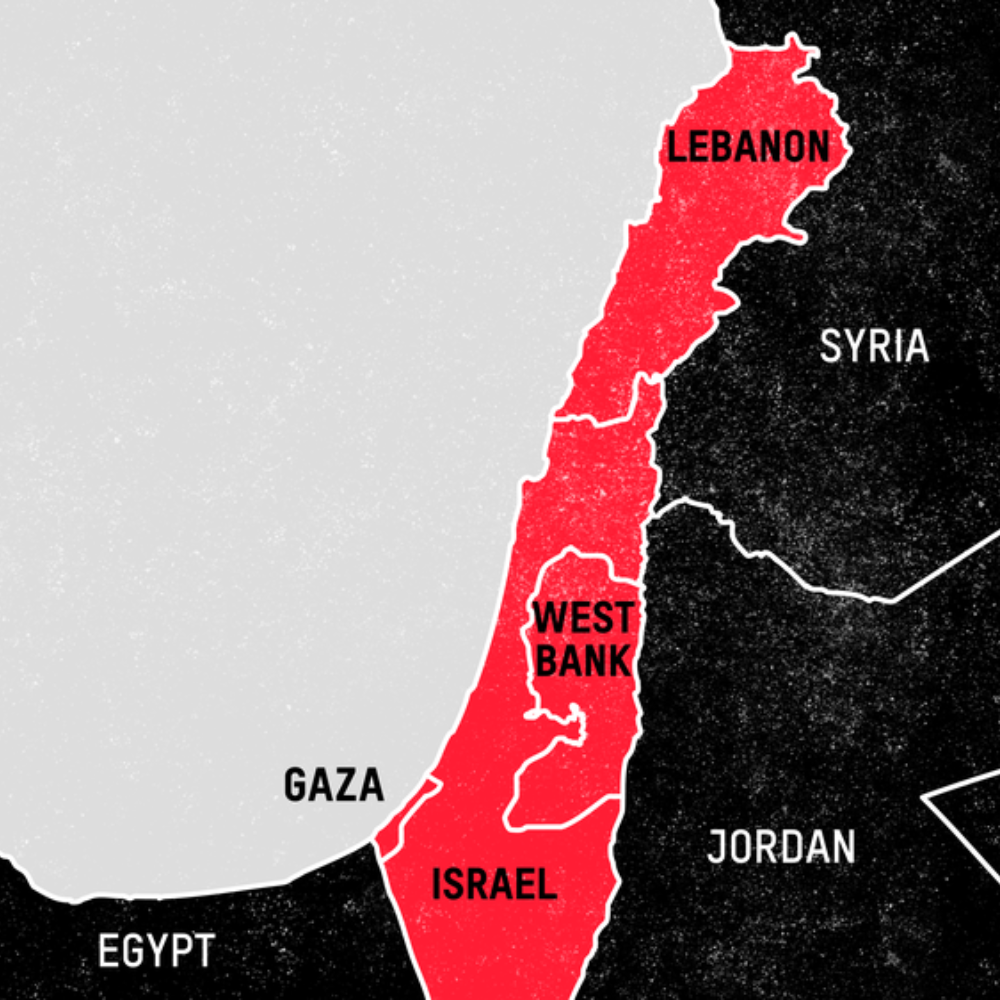
This week, U.S. President Donald Trump confirmed that Washington is engaged in “very deep” negotiations with Hamas over the release of hostages still being held in Gaza. According to Reuters, Trump warned that the situation could turn “tough” and “nasty” if Hamas refuses to release the captives. He noted that some of the group’s demands were “fine” and under review, though he declined to specify which ones. Analysts believe these requests may involve prisoner exchanges or elements of a ceasefire. Despite earlier releases, about 20 hostages are still thought to be alive. Hamas has insisted it will only free them if the war ends and Israeli forces withdraw—conditions that remain politically unacceptable for Israel.
Trump’s comments underscore the United States’ role as mediator in a conflict that has devastated Gaza and strained relations between the U.S., Israel, and the Palestinians. Speaking at the White House, Trump declared: “We said let them all out, right now let them all out… much better things will happen for them, but if you don’t let them all out, it’s going to be a tough situation, it’s going to be nasty.”
Israeli Prime Minister Benjamin Netanyahu has reaffirmed his government’s position that the war will only end if all hostages are released, Hamas is disarmed, and Israel reasserts full security control over Gaza, Al-Monitor reported. Hamas, meanwhile, has proposed releasing some captives in exchange for temporary ceasefires, but continues to demand a full Israeli withdrawal and a permanent end to the conflict, according to Anadolu Agency.
Although Trump’s tough rhetoric may increase pressure on Hamas, experts remain doubtful about its effectiveness. Analysts told Al Jazeera that previous hostage deals succeeded only when coupled with ceasefires, humanitarian relief, and long-term security measures. Critics warn that Trump’s narrow focus on freeing hostages risks overlooking the deeper causes of violence in Gaza, including displacement, poor governance, and the recurring cycle of blockades and retaliation. Without a broader peace initiative that addresses both Israeli security and Palestinian rights, any progress is likely to be fragile.
The crisis traces back to October 7, 2023, when Hamas launched a surprise assault on Israel, killing around 1,200 people and taking more than 250 hostages into Gaza, Reuters reported. Israel responded with a massive military campaign that has killed tens of thousands of Palestinians and displaced nearly the entire population of Gaza. International organizations, including the International Criminal Court, have accused Israel of war crimes and even genocide—allegations Israel has strongly denied (Anadolu Agency).
In August 2025, Hamas accepted a ceasefire and hostage deal brokered by Egypt and Qatar, but Netanyahu instead ordered operations to seize Gaza City, Al-Monitor reported. Around 48 hostages remain in captivity, with only about 20 believed to be alive.
The outcome of Trump’s “very deep” talks will shape both the fate of the remaining hostages and the future of the Gaza conflict. A successful agreement could pave the way for broader ceasefires and humanitarian assistance. But if negotiations collapse, the war may intensify, fueling regional instability and undermining trust in U.S. diplomacy. As Arab News pointed out, Trump had promised a swift end to the Gaza war, yet nearly two years into his presidency, that pledge remains unfulfilled. Many observers stress that only a comprehensive peace plan can end the cycle of war, hostages, and suffering.