
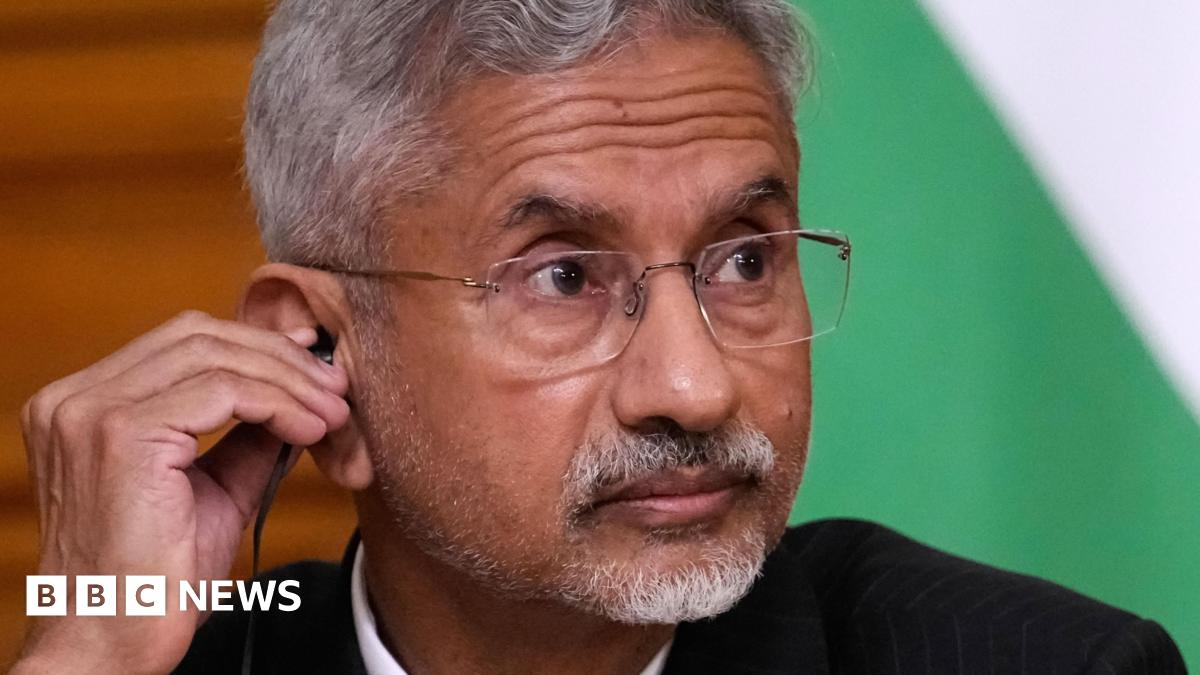
A statement from the Indian Ministry of External Affairs on Saturday said the fee would have humanitarian consequences “by way of the disruption caused for families”.
The Indian government “hopes that these disruptions can be addressed suitably by the US authorities”, it also said.
The exchange of skilled workers has “contributed enormously” to both nations, the statement said, adding: “Policy makers will therefore assess recent steps taking into account mutual benefits, which include strong people-to-people ties between the two countries.”
The statement did not provide specifics on any potential response from India’s government.
Since Trump imposed punshing tariffs on India last month for purchasing Russian oil, the two countries have been locked in tense trade negotiations. The US exported $41.5bn worth of goods to India in 2024, and imported more than double that, $87.3 bn, according to the US Trade Representative’s office.
On Saturday, the Indian government said its commerce minister Piyush Goyal would visit the US on Monday for trade talks, according to Reuters.
Making such a major change to the H-1B programme in such a narrow window of created “considerable uncertainty for businesses, professionals, and students across the world”, India’s leading trade body Nasscom said.
In announcing the planned change, the White House said the visas were not being used as intended, citing data it said suggests some visas are being “abused” to undercut American wages and outsource IT jobs.
But the order allows for “case-by-case exemptions if in the national interest”, the White House said.