
due in court |
The five individuals have been charged in connection with the “serious public order incident” that occurred on the Malahide Road, Coolock, Dublin 17, on July 15, 2004
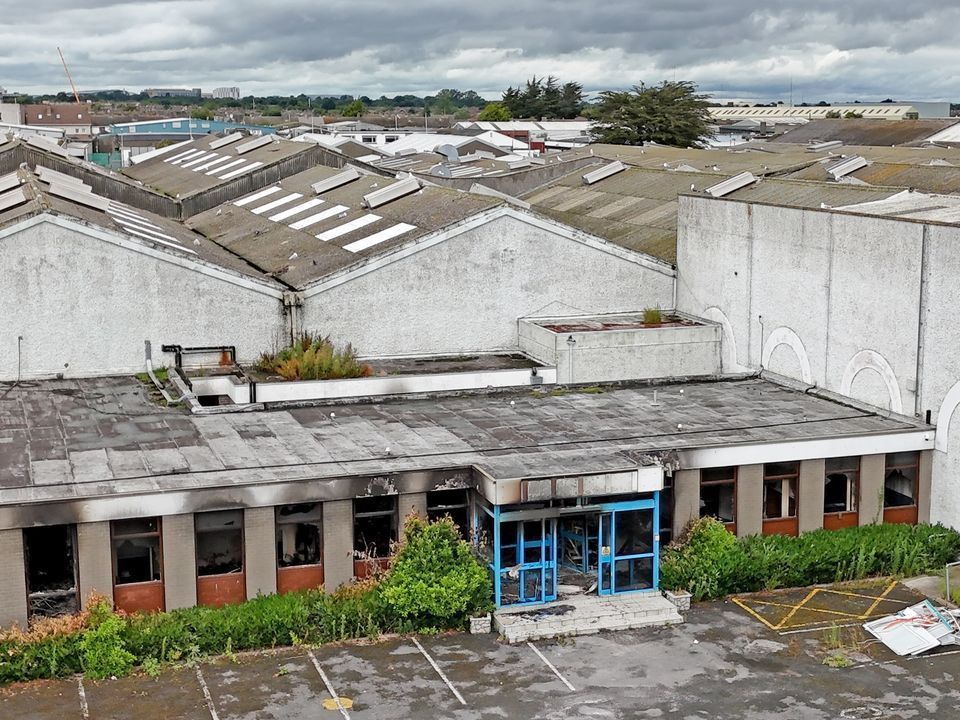
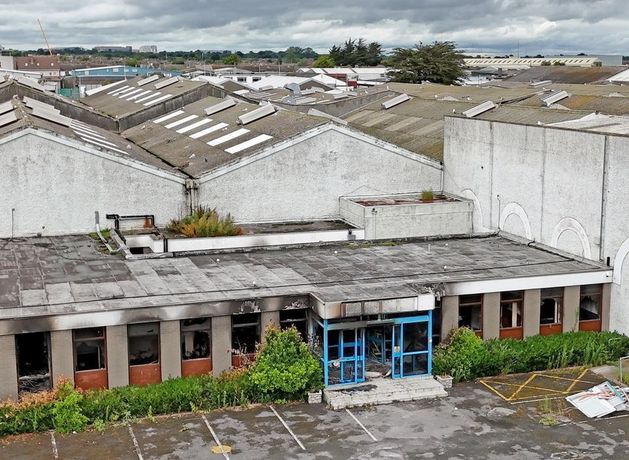
The former Crown Paints factory in Coolock, north Dublin, which was at the centre of a protest over plans to redevelop it to house asylum seekers (Niall Carson/PA)
Five more people have been arrested by gardai investigating the Coolock riots that broke out in Dublin last year.
The five individuals have been charged in connection with the “serious public order incident” that occurred on the Malahide Road, Coolock, Dublin 17, on July 15.
The five, including a man in his 30s, two men in their 20s and one male in his late teens have been scheduled to appear before Dublin District Court, Court 4, at the Criminal Courts of Justice this morning.
A male youth has been scheduled to appear separately before the Children’s Court in Smithfield.
The former Crown Paints factory in Coolock, north Dublin, which was at the centre of a protest over plans to redevelop it to house asylum seekers (Niall Carson/PA)
News in 90 Seconds – September 19th
Gardai said that to date, a total of 45 individuals have been arrested as part of the “continuing investigation”.
The site on the Malahide Road had been the scene of considerable unrest over plans to develop the former Crown Paints factory located there into accommodation for international protection applicants and Ukrainians who have fled the war in their home country.
The government have previously said they planned to house up to 500 international protection applicants in the former factory in Coolock.
For months, groups of protestors had camped outside the site and held a number of demonstrations condemning the plan to house asylum seekers in the building.
In May of this year, the plan to house asylum-seekers on the grounds of the former Crown Paints factory in Coolock was abandoned.
The Department of Justice said it would not proceed with the project — which sparked continuous protests and even rioting last year
The Department, which took over asylum affairs from the Department of Equality at the beginning of that month, said a number of considerations had influenced its decision.
It did not mention the violence, referring instead to the work needed to upgrade the premises and other issues, such as delays with the planning and development site, and the value for money for the site.
They also said there were local residential considerations, including the “welfare, health and wellbeing” of people in Coolock.