
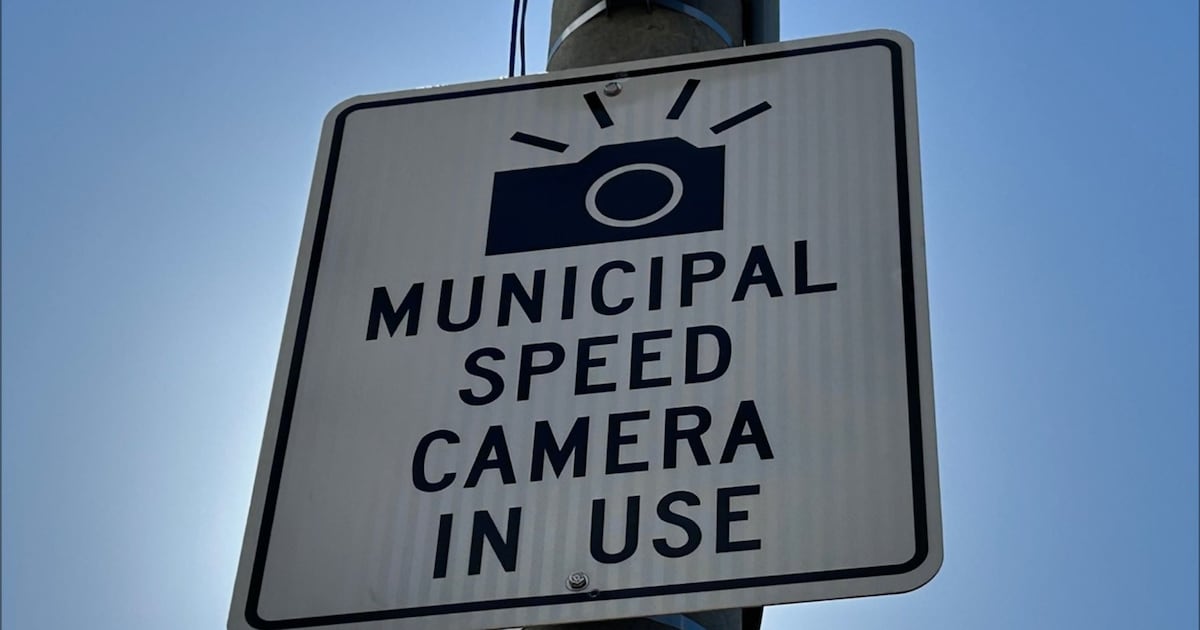
Toronto’s network of speed cameras has ignited a fierce debate — from safety advocates who believe they save lives to some drivers who call them a “cash grab.”
In just one week, CTV News Toronto has received nearly 200 responses from residents across the GTA after asking for feedback on what has become a controversial program. Out of the hundreds of emails, roughly 73 people expressed support for the program, while 64 took issue with it.
The flood of opinions came as Premier Doug Ford threatened to eliminate all 150 cameras in Toronto, calling them a “tax grab.”
On Friday, Ford added “there’s better ways to slow down traffic than gouge the taxpayer. He told reporters at a news conference that the cameras have ”taken hundreds of millions of dollars out of taxpayers’ pockets.”
But city officials and police chiefs insist the cameras save lives, citing a July study that found speeding decreased by 45 per cent in areas with speed cameras. In the past week, The Ontario Association of Chiefs of Police publicly backed the program, arguing it reduces dangerous driving while freeing up officers for other priorities.
Here is a breakdown of where some GTA residents stand:
‘Five kilometres can make a huge difference’
For East York resident Jorjis Islam, a $75 ticket for driving 52 km/h in a 40 km/h zone was a turning point in his driving behaviour.
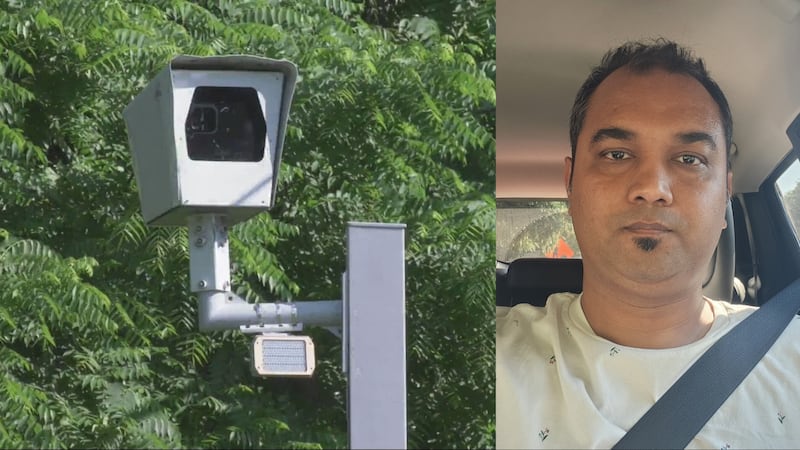 Jorjis Islam East York resident Jorjis Islam, tells CP24 his first ticket was a turning point in his driving behavior (Jorjis Islam photo).
“When I was speeding, I didn’t realize, to be honest, because I’m not a habitual speeder,” Islam said. “Now I’m more conscious because there are a lot more cameras popping up in the entire city.”
He rejects Ford’s framing of the cameras as a cash grab.
“Just five kilometers can make a huge difference between life and death,” he said. “If you don’t break the rules, then you don’t have anything to worry about.”
Cameras feel like ‘a punch to the gut’
Others described the program as financially crushing.
“I have personally received over half a dozen of these tickets in the past six to nine months,” said Richard Dasrath of Bloor-High Park. “It seems like a punch to the gut.”
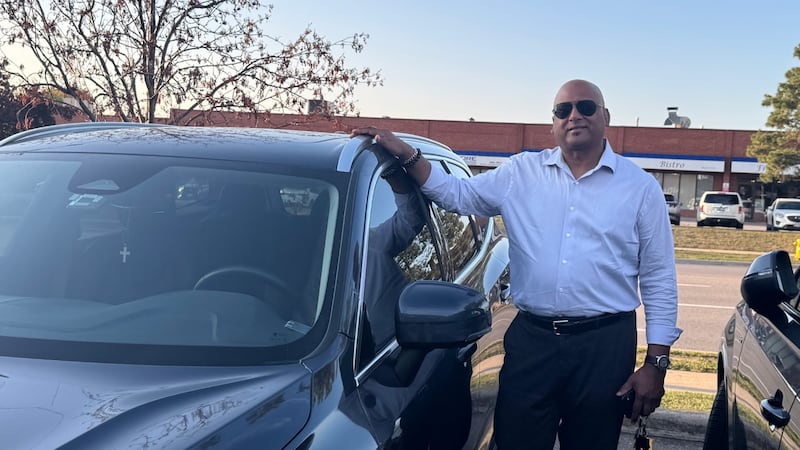 Richard Dasrath 61-year-old Richard Dasrath of Bloor-High Park speaks to CP24 about speed cameras on Wednesday September 17, 2025 (Photo via Richard Dasrath).
Dasrath, who spends much of his time driving for work, said he regularly racks up $300 to $400 a month in parking and speeding tickets.
“When you get the ticket in the mail about four to six weeks later, the first thing I felt is anger and rage… you feel like you’re being bullied.”
While he supports enforcement in school zones, he called the speed camera program unfair, particularly when it comes to later at night when schools are closed.
Under the existing legislation, speed cameras can only be located in community safety zones, such as near schools, playgrounds and hospitals.
“If I’m in on a city street that’s 60 kilometers and I’m doing 64 to 66, I think that’s reasonable. Most of the time you’re keeping up with traffic,” Dasrath said.
Ford echoed those frustrations suggesting municipalities would “rather get money off people.”
He promised to outline his own plan soon.
“If they really want to slow people down, I will show them how to slow people down. We’ll have the flashing lights, we’ll have the signs. We can have turnabouts. We can have speed bumps. There’s a million different ways to slow people down if that’s truly what they want to do. Speed cameras do not slow people down,” he said Friday.
Changed habits — but at a cost
Some drivers acknowledged the cameras have reshaped their behaviour.
“I have a history of speeding, but two speed camera tickets and my finances gave me a serious rethink,” said Tony Gahling, who is 78-years-old. “Something switched in my head, and I got to thinking, ‘Why are these cameras around?’”
For Catherine Murphy, a 67-year-old from Scarborough, the issue is less about safety than affordability. A near $100 fine, she said, “is a week’s worth of groceries.”
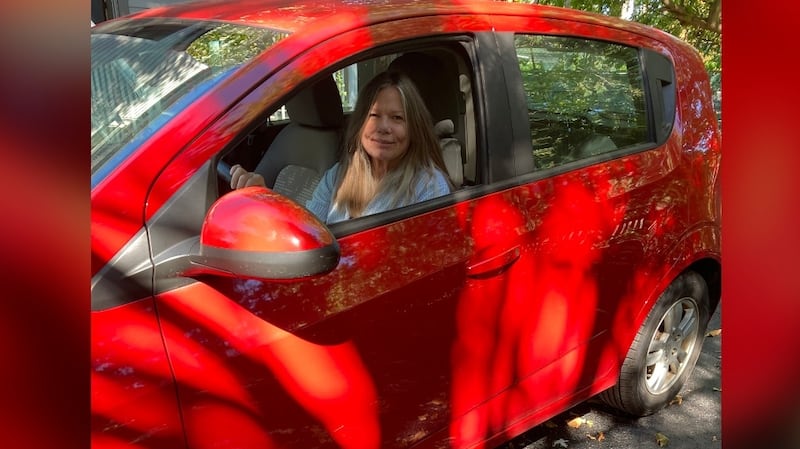 Catherine Murphy Catherine Murphy, a 67-year-old from Scarborough says the issue with speed cameras is more about affordability than anything else (CP24 photo).
In Toronto, drivers are fined according to the Highway Traffic Act. They will face a fine of $5 per kilometre for each 1-19 kilometres per hour they exceed the posted limit but that can rise to as much as $19.50 per kilometre if they are clocked at 50 km/h or more above the limit.
“I just think they’re excessive,” Murphy said. “If they’re going to be handing them out like this, at least reduce the cost of the ticket.”
‘Not about safety’
Others questioned whether the cameras actually make roads safer.
Carole Vo, a Tesla driver from Brampton, contested a $182 fine after she says her car’s autopilot registered the limit as 60 km/h instead of 40 km/h.
“Something as simple as having speed bumps or strips would have done the job just as efficiently,” Vo said. “It’s not about safety because if it was, these cameras shouldn’t be working when schools are not in session.”
‘Those who break the law need to be held responsible’
But Kathy McLaughlin, who lives near Broadview and Pottery Road, said her family’s experience shows the system works.
“My husband recently got a speeding ticket in our neighbourhood which cost him $93. He does not speed any longer,” McLaughlin said. “Those who break the law need to be held responsible and encouraged to change their ways. That’s what laws are for.”
She said removing the cameras would be short-sighted. “I don’t understand Ford’s reasoning for suggesting the removal of speed cameras.”
The city’s reaction to concerns
In a statement to CTV News Toronto, the City of Toronto defended the program, stressing that its purpose is not revenue but safety.
“The goal of Automated Speed Enforcement (ASE) is to alter driver behaviour to decrease speeding and increase safety,” the city said. “Public surveys demonstrate overwhelming support for this safety initiative, which is also underscored by the volume of community requests the City of Toronto receives for the installation of ASE cameras.”
The city noted a recent survey by the Canadian Automobile Association found 73 per cent of respondents in Ontario support automated speed enforcement.
They also said larger, clearer signage is being added across Toronto to ensure drivers know where cameras are deployed.
“Speed limits are not guidelines, they are the law,” the statement continued. “Motorists can ensure they don’t receive a ticket by travelling at or below the posted speed limit.”
Political fight deepens
Ford has promised to roll out his alternative next week, saying, “I’m going to teach them how to do it.”
He doubled down on his stance after Vaughan suspended its speed camera program this week, applauding the move.
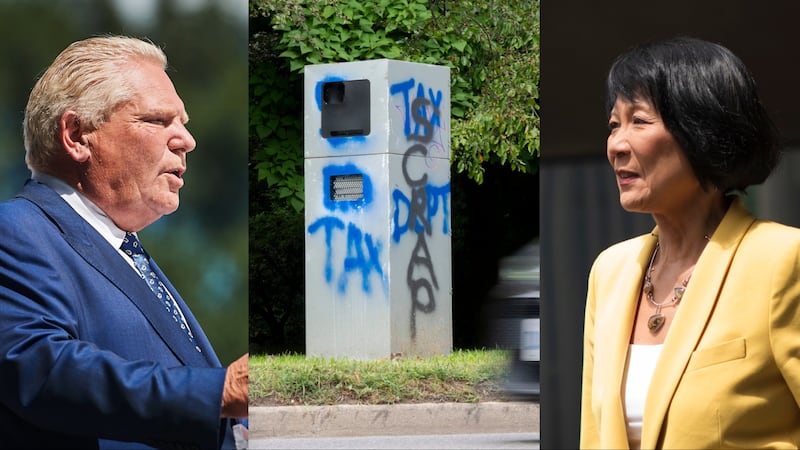 FORD/CHOW Doug Ford and Olivia Chow pictured in a photo composite. LEFT: THE CANADIAN PRESS/Sammy Kogan. MIDDLE: THE CANADIAN PRESS/Frank Gunn. RIGHT: THE CANADIAN PRESS/ Tijana Martin
Mayor Olivia Chow has not indicated she will abandon the program.
Already, Toronto issued about $40 million in fines last year, and with less than half of 2025 still to go, revenues have already surpassed $45 million.
Yet still, vandalism continues.
At least 20 Toronto cameras were damaged this month alone, with more than 800 incidents reported so far this year.
With files from the Canadian Press