
Millions of patients could be diagnosed more quickly with chronic diseases such as diabetes and cancer through a new NHS screening platform.
The “cloud’ platform will unite all the computer systems of different NHS trusts, so they can access the latest technology, including artificial intelligence to analyse cancer scans.
There are multiple AI tools which have been shown to be better than, or just as good as, humans at detecting signs of diseases. They include technology that can read chest X-rays to spot lung cancer and analyse photos of moles to see if they are cancerous.
However, these tools have to be installed one-by-one from scratch at every different hospital, which is expensive and means the NHS has been slow at adopting new technology.
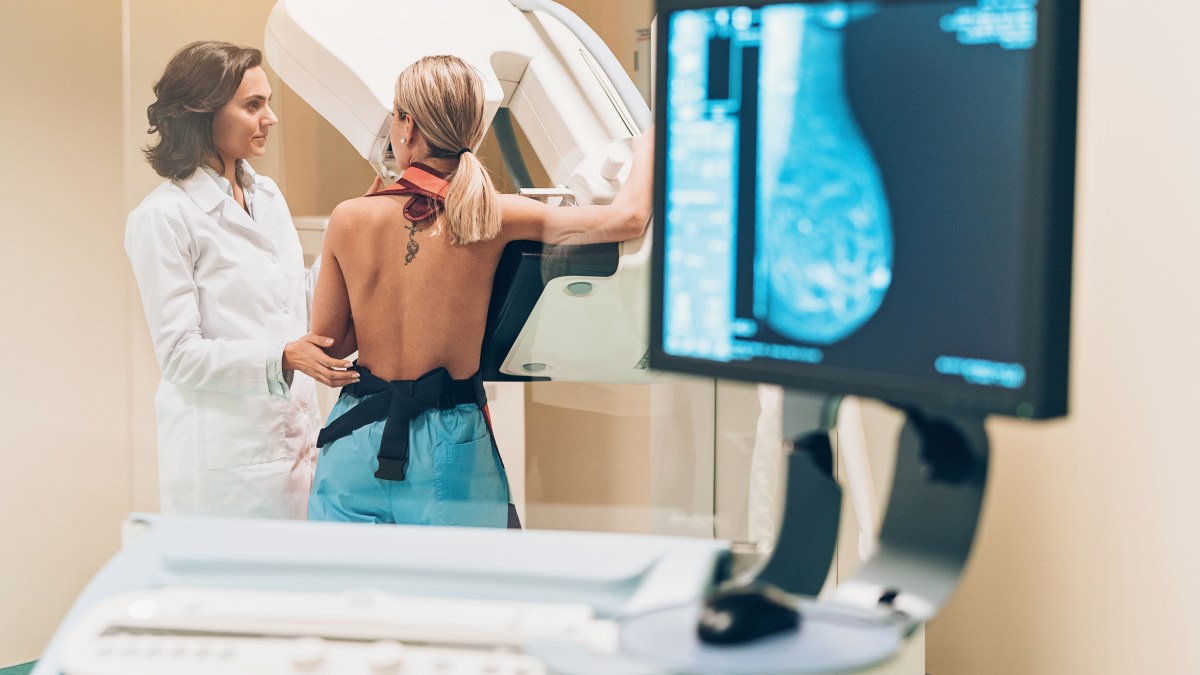
The £6 million screening platform AIR-SP is being built by NHS England and will host AI tools which can be accessed by different hospitals and GP surgeries. It will support a trial involving 700,000 women in England to see if AI is as accurate and reliable at reading mammograms and detecting breast cancer as a radiologist.
Wes Streeting, the health secretary, said: “The AI revolution is here and we are arming staff with the latest groundbreaking technology so patients get faster and smarter care.
“As our world-leading scientists develop new lifesaving AI tools, this new cloud platform will see them rolled out to patients in research trials right across the country — so staff can treat patients quicker with cutting-edge tech. This government is reinstating the UK’s position as a technology superpower — driving vital investment and economic growth as we build an NHS fit for the 21st century.”
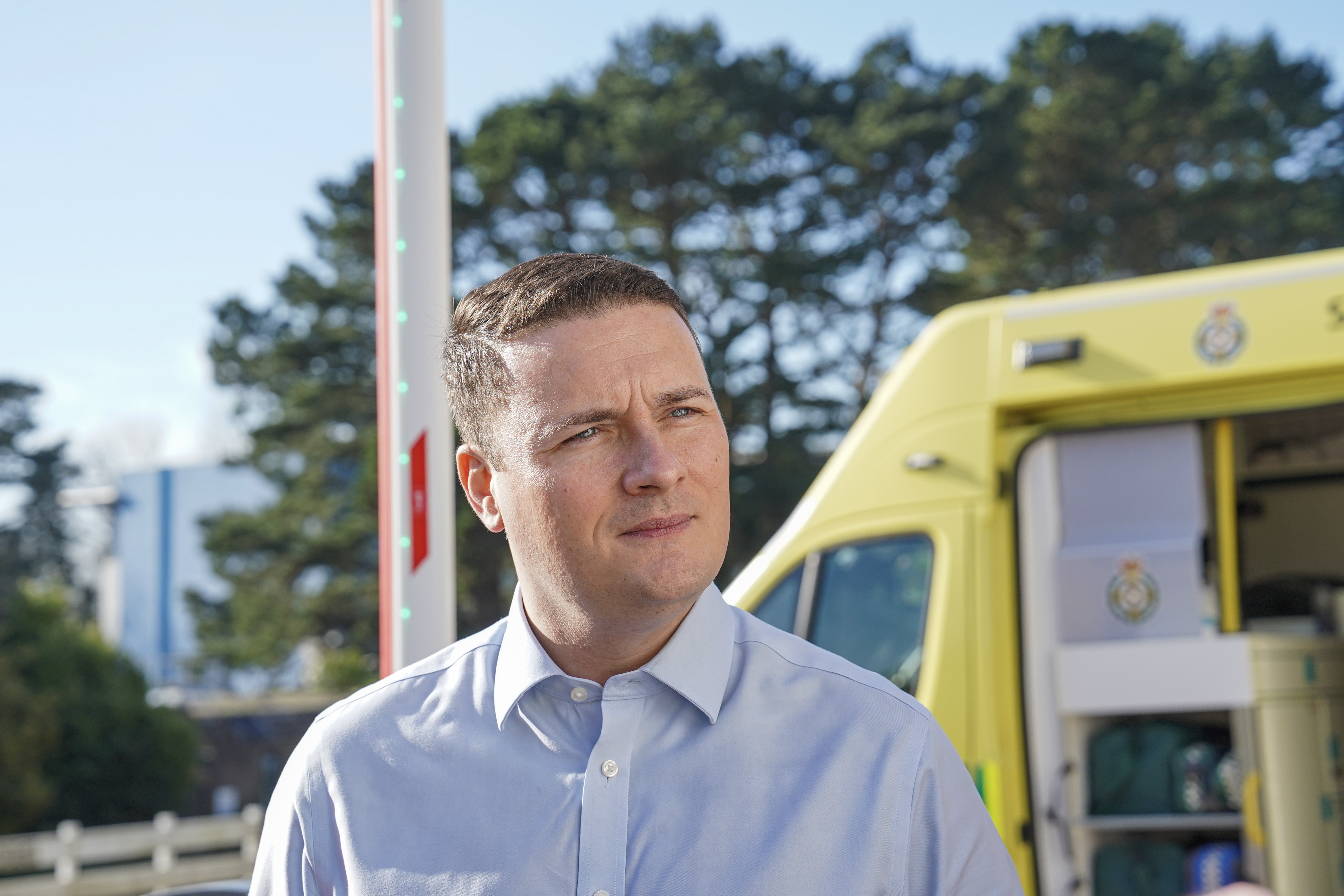
Wes Streeting, the health secretary
HUGH HASTINGS/GETTY IMAGES
Dr Kevin Dunbar, NHS deputy director of the public health, vaccination and screening directorate, said: “This innovative cloud platform will help vastly accelerate research into the use of AI to enhance vital NHS screening programmes.
“By enabling trusts and patients across the country to participate in landmark AI trials in the coming years, it will combine cutting-edge technology with clinical expertise to improve care for patients as well as NHS productivity.”
• Why Britain is looking to Denmark to transform cancer care
Ministers said the tool would reduce the time and cost of testing out AI diagnostic tools, helping to reduce delays for cancer diagnosis.
The platform is funded by the National Institute for Health and Care Research (NIHR), and is expected to be completed in 2027.
Simon Vincent, chief scientific officer at Breast Cancer Now, said: “Currently, 11,500 tragically die from breast cancer each year in the UK. But breast screening is a key tool for detecting breast cancer early, and critically, the sooner it’s diagnosed the more likely it is that treatment will be successful.
“We therefore welcome the government’s investment in the new artificial intelligence screening platform being built by NHS England. We hope that the introduction of this single shared system will make it both quicker and easier for trusts across the UK to test AI tools that could hold the potential to improve early detection and make the breast screening programme even more effective.”
Professor Lucy Chappell, chief executive officer of the NIHR, said: “In order to unlock the potential of AI in healthcare, we need digital infrastructure that enables researchers to rigorously evaluate these tools in real-world NHS settings, at speed and scale.
“This unified AI research screening platform will help us to understand how AI can safely and effectively improve patient care, while speeding up the time it takes to set up AI research studies and reducing costs.”