
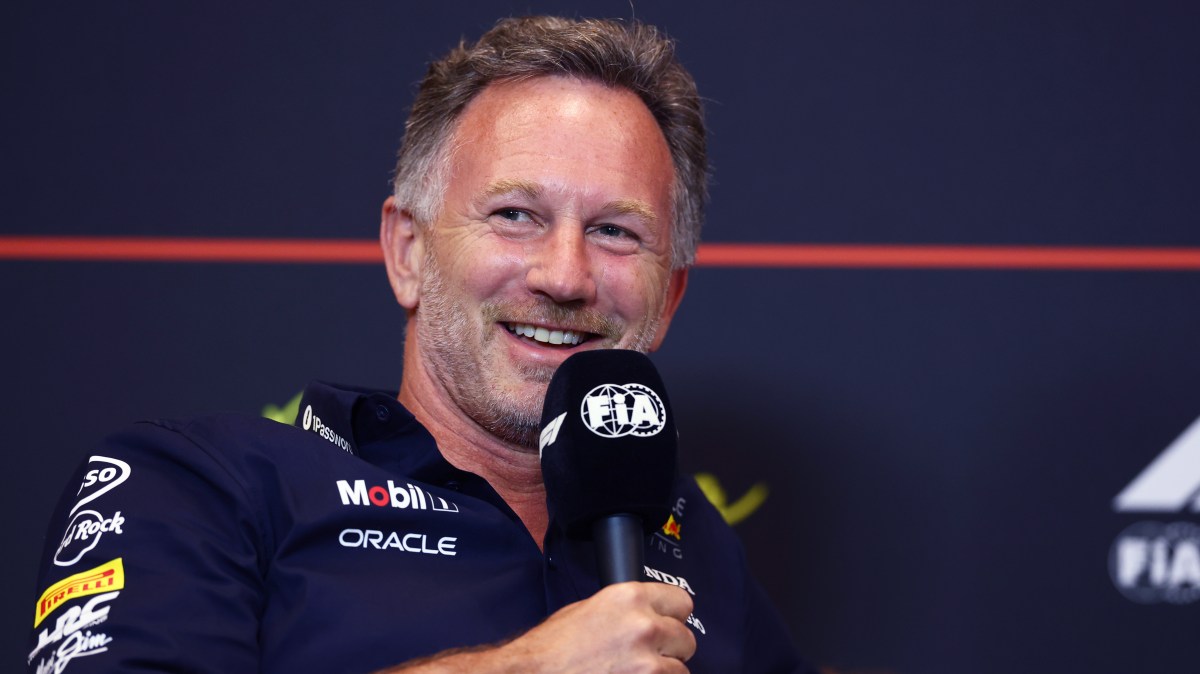
Red Bull and their former team principal Christian Horner have reached a multi-million pound agreement to formally end their 20-year association.
Horner was effectively sacked as team principal and CEO after the British Grand Prix in early July and was replaced by Laurent Mekies, but technically remained a Red Bull employee having been released from his operational duties.
The 51-year-old had been contracted with the team until 2030 and has been locked in settlement talks for several weeks. The Times understands the settlement deal will mean Red Bull pay Horner over £80million. It also involved an agreement for the amount of gardening leave Horner must serve. Sources suggest he will be able to return in the first half of next season — a crucial one with a fundamental change of Formula 1 regulations.
It is understood Horner could have received a greater payout, but that would have led to a longer period of gardening leave, when his priority is to return.

Horner, with his wife, the British singer Geri Halliwell
AFP
A statement from Red Bull Austria on Monday morning said: “Oracle Red Bull Racing announces today that Team Principal and CEO Christian Horner will leave the team.”
Horner said: “Leading Red Bull Racing has been an honour and privilege. I’m incredibly proud of what we achieved as a team breaking records and reaching heights no one would ever believe were possible and I will for ever carry that with me. However, for me my biggest satisfaction has been assembling and leading the most amazing group of talented and driven individuals and seeing them flourish.”
Red Bull did not officially release an explanation for the decision to sack him but it is understood that it revolved around poor recent performances, and divisions between Horner and senior figures like Oliver Mintzlaff, the Red Bull GmbH managing director, and Helmut Marko, the senior adviser, were deeply seated.
At the start of last season Horner was accused of sending inappropriate text messages to a female colleague. He was cleared of wrongdoing by two separate investigations into his conduct, and this was not related to his eventual dismissal.
The Austrian shareholder (Mark Mateschitz, with 49 per cent) and Thai shareholder (Chalerm Yoovidhya, with 49 per cent), who had previously been supportive of Horner, ultimately made the final decision.
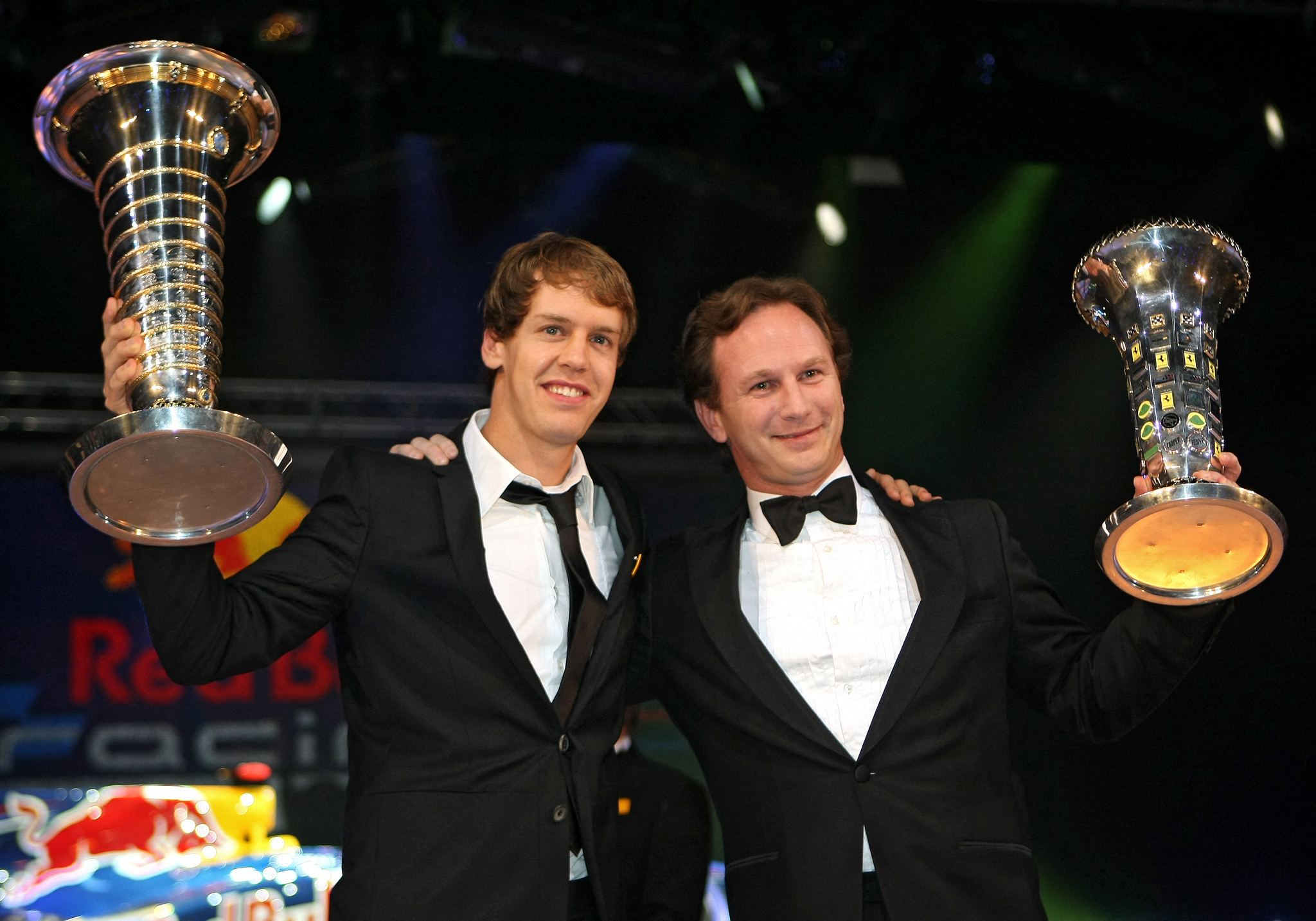
Horner celebrates Red Bull winning the constructors’ title with world champion Sebastian Vettel in 2010
AFP
Mintzlaff said: “We would like to thank Christian for his exceptional work over the last 20 years. With his tireless commitment, experience, expertise and innovative thinking, he has been instrumental in establishing Red Bull Racing as one of the most successful and attractive teams in Formula 1. Thank you for everything, Christian, and you will for ever remain an important part of our team history.”
It is likely that Horner will return to the paddock next year in a role which involves a level of ownership in a team, something which he was not given at Red Bull. That would mean a repeat of the situation he found himself in at Red Bull — sacked unceremoniously having won six constructors’ championships and eight drivers’ championships during his tenure which began in 2005 — would be less likely to occur.
The role of a team principal in the modern day is also evolving, with the present trend to have more of an engineering-based figure as opposed to a type of leader embodied by Horner or Mercedes’ Toto Wolff, which has a broader outlook.
At the time of Horner’s sacking the team were seemingly out of contention in both championships. However, Mekies achieved his first main-race victory as team principal in Monza after a dominant Max Verstappen performance. He repeated the feat in Baku, which, combined with McLaren’s struggles, means there is an outside chance that Verstappen could still be in the fight for the individual title.
In Formula 1 many upgrades are manufactured weeks and months in advance, with the Monza floor upgrade, which appears to have proved a turning point, developed under Horner’s leadership.