
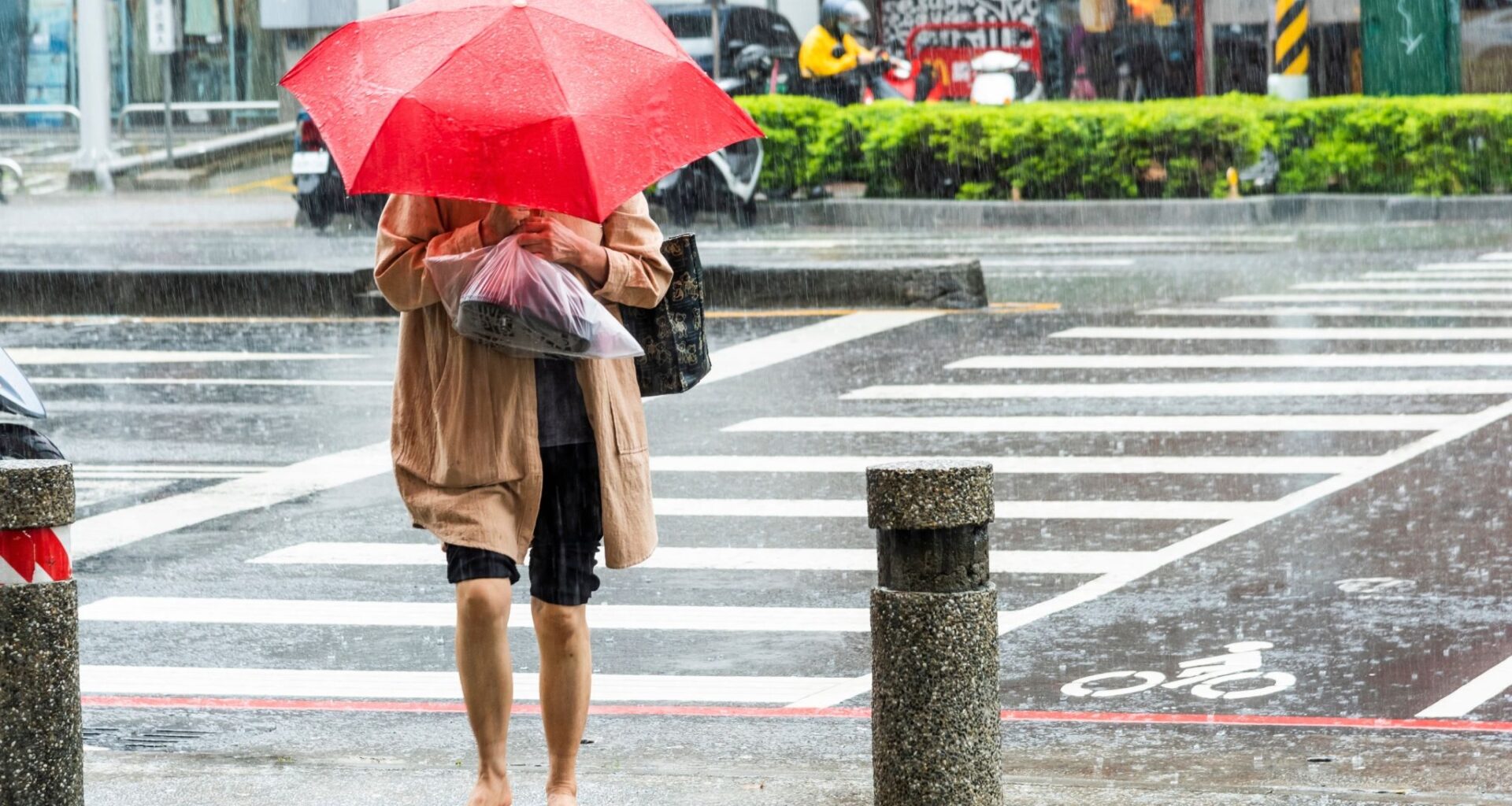
A tropical cyclone, Typhoon Ragasa, has prompted the Government of Canada to issue a serious warning for travellers headed to Asia.
The Japan Meteorological Agency describes Typhoon Ragasa as a “large” and “violent” storm, with a maximum wind gust speed of up to 288 km/h. The storm has prompted mass evacuations and widespread flight cancellations. If you’re travelling to the Philippines, Taiwan, Hong Kong, or Macao, make sure to read the latest travel advisory, as the government is urging Canadians to exercise caution while abroad.
“Travel Advice and Advisories give you official Government of Canada information and advice on situations that may affect your safety and well-being when you are travelling or living outside Canada,” reads the website. The government adds that it regularly monitors incidents and world events that may affect Canadians travelling or living abroad.
According to the National Oceanic and Atmospheric Administration, the only difference between a hurricane and a typhoon is “the location where the storm occurs.” A tropical cyclone with winds of 117 km/h is called a hurricane in the North Atlantic, the central North Pacific, and the eastern North Pacific, while the same type of storm is called a typhoon in the Northwest Pacific.
If you’re planning a trip to Asia soon, make sure to read the following travel advisory updates.
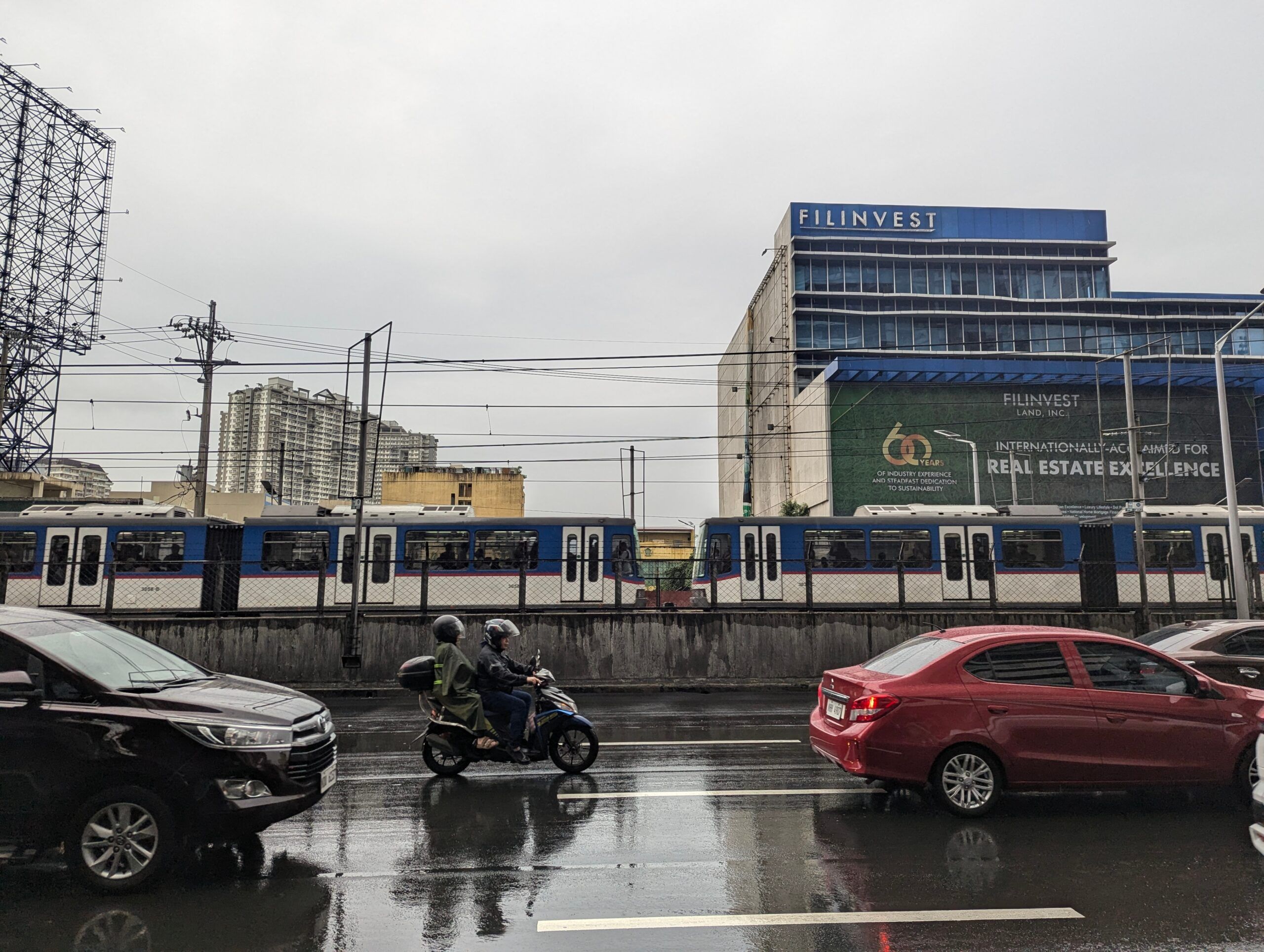
Canadians heading to the Philippines are urged to “exercise a high degree of caution” due to the typhoon.
“Typhoon Ragasa is expected to gain super typhoon strength and sweep across the Babuyan islands on or around Sept. 21, 2025,” reads the latest update. “The storm is likely to bring excessive rainfall and violent winds, including in northern Luzon.”
The Philippine Atmospheric, Geophysical and Astronomical Services Administration has several active flood warnings for different regions.
The Canadian government warns that potential floods and landslides could disrupt essential services, including transportation, power distribution, telecommunications networks, emergency services, and water and food supplies.
StreetVJ/Shutterstock
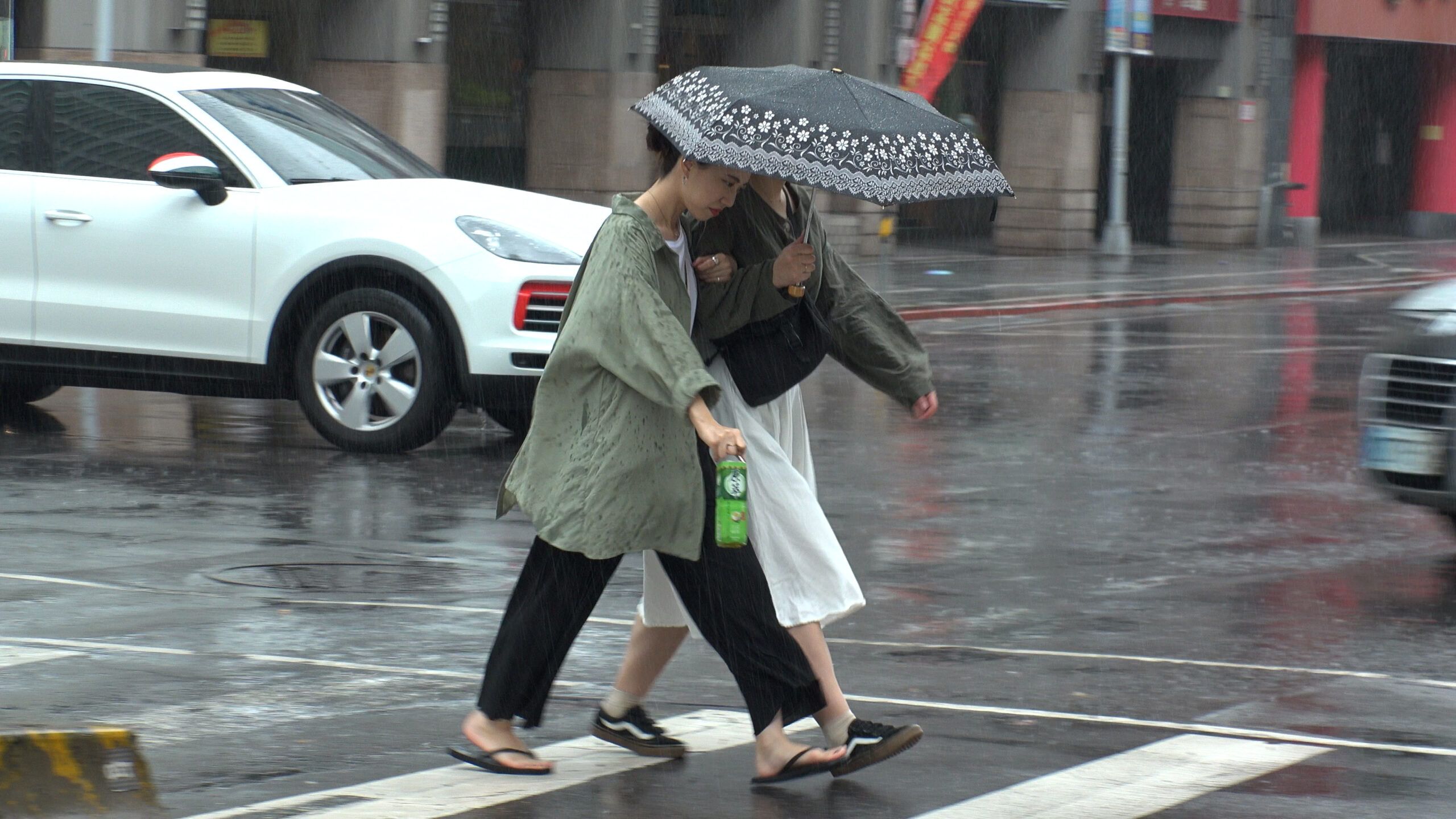
If you’re travelling to Taiwan or are already in the country, make sure to take extra precautions due to the typhoon.
Canada’s updated advisory reads, “Typhoon Ragasa is expected to gain super typhoon strength and affect the southern coast of Taiwan, in the Pingtung County, on or around Sept. 22, 2025. The storm is likely to bring excessive rainfall and violent winds.”
There’s also a risk of flash flooding and landslides that could disrupt essential services. Make sure to monitor local news and weather reports and follow the instructions of local authorities.
KELENY/Shutterstock
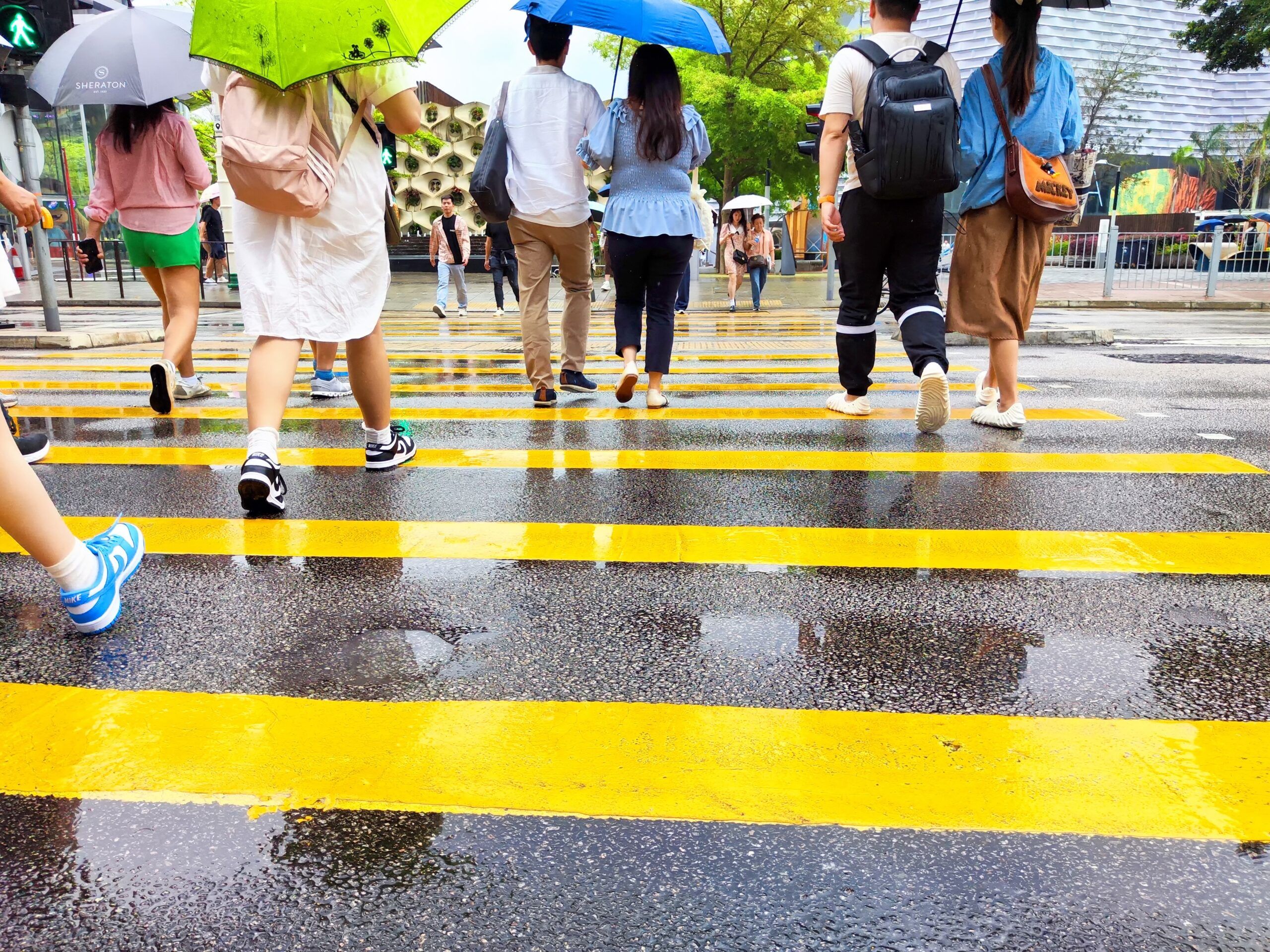
The risk level for Hong Kong is currently orange, with the government advising Canadians to avoid non-essential travel.
According to the advisory, the typhoon is moving westward through the South China Sea and is expected to “significantly impact” Hong Kong on or around Tuesday, Sept. 23.
The Hong Kong Observatory said it’s monitoring the change in local wind conditions and will assess the need to issue higher warnings.
“The weather will be persistently adverse on Wednesday. Gale to storm-force winds will prevail locally, and winds may reach hurricane-force offshore and on high ground,” reads the report. “There will be frequent heavy squally showers and thunderstorms. Seas will be very high with swells. Members of the public are advised to stay away from the shoreline and not engage in water sports.”
VY1111/Shutterstock
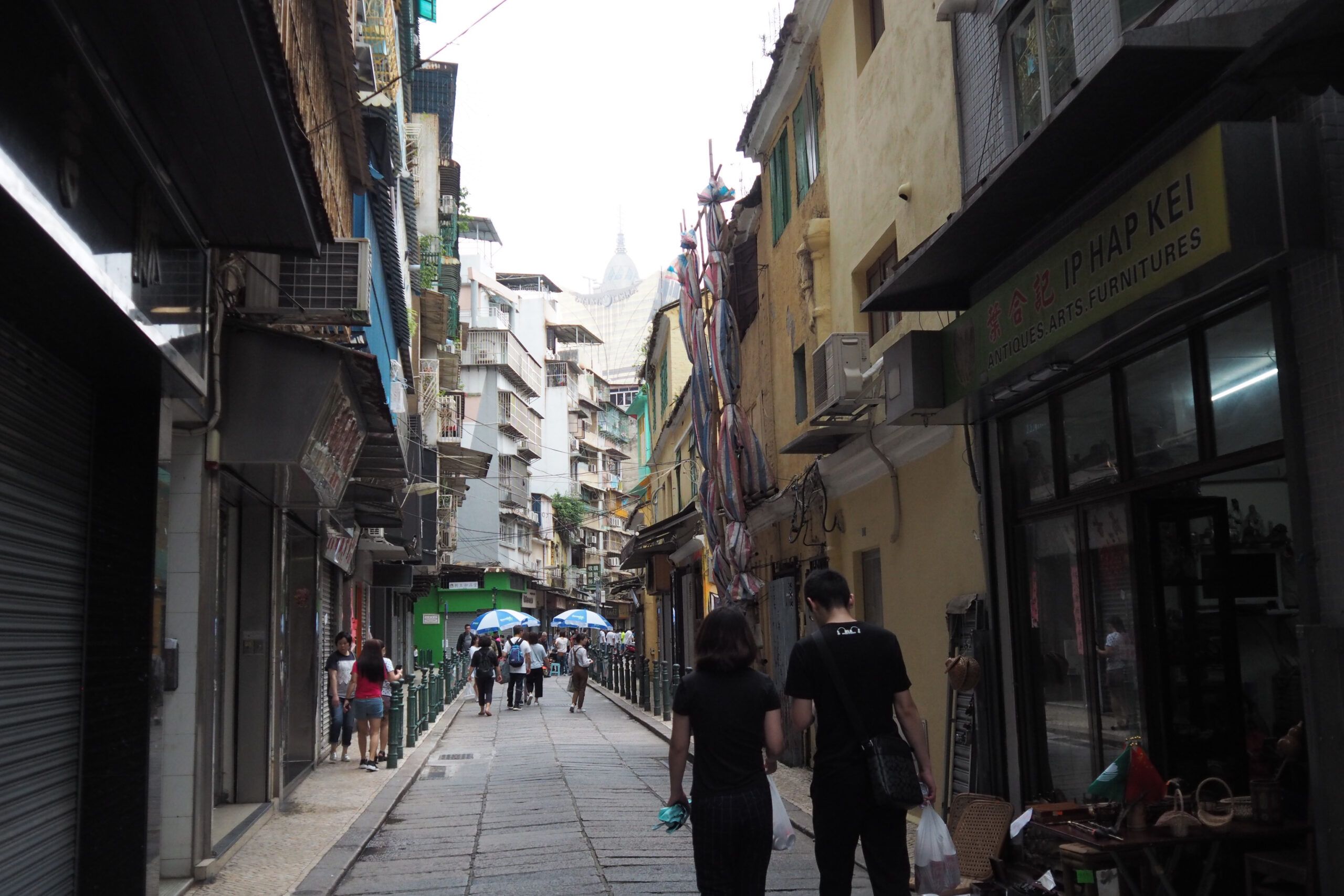
The latest travel advisory from Canada states that Typhoon Ragasa could “significantly impact” Macao on or around Tuesday, Sept. 23, with the storm likely to bring in excessive rainfall and violent winds.
“Macao International Airport’s operations may be significantly impacted, with several flights cancelled or delayed,” reads the update.
According to the Macao Meteorological and Geophysical Bureau, Ragasa is expected to approach the Pearl River Estuary on Wednesday morning, adding that the chance of “skirting” the region can’t be ruled out.
The storm is expected to bring in persistent heavy rain, thunderstorms, and gusty winds.
“Residents living on high floors should prepare for severe impacts from hurricane-force or higher winds,” reads the statement. “Significant storm surge is also expected.”
The typhoon increases the risk of flooding and landslides that could affect access to essential services.