
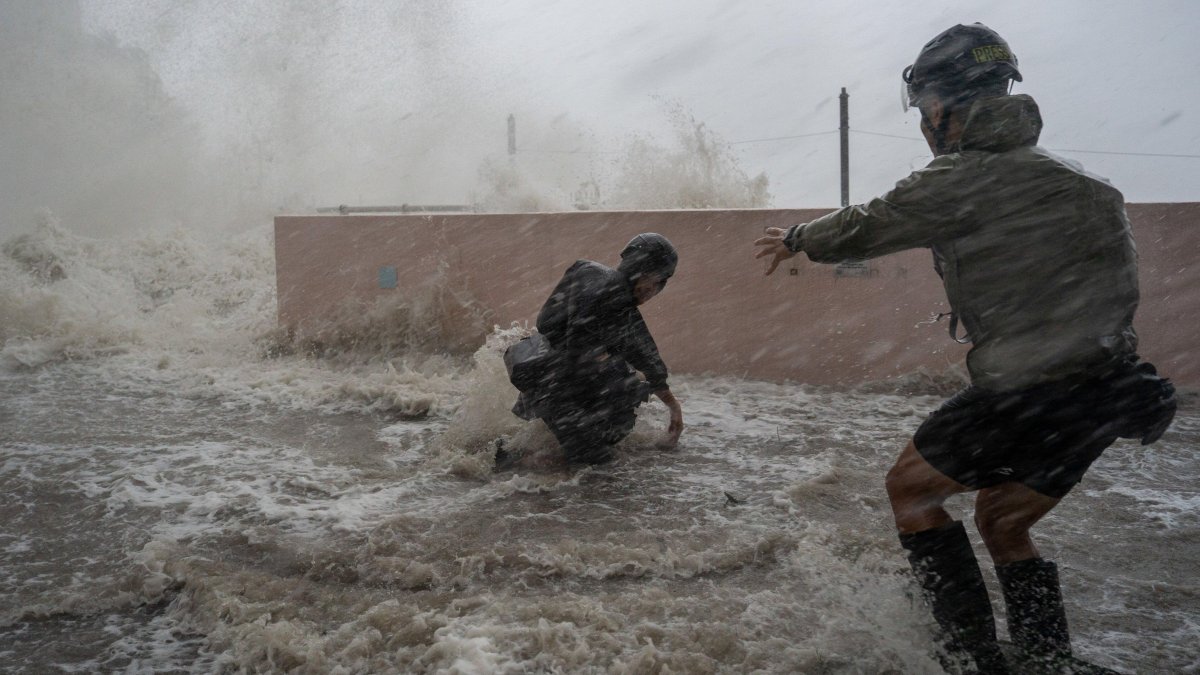
Super typhoon Ragasa has blasted Hong Kong with wind, rain and floodwater, leaving dozens injured in the territory. After hitting Taiwan, 14 people are dead and 152 missing after a barrier burst and a lake overflowed into a town.
Some homes in Taiwan’s Hualien county were submerged up to the second floor, stranding some 260 people. More than 7,600 people were evacuated across the island. Ten deaths were also reported in the Philippines.
Ragasa is the most powerful tropical cyclone so far this year. It brought winds of 124 mph and passed within about 60 miles south of Hong Kong, but did not make landfall there.
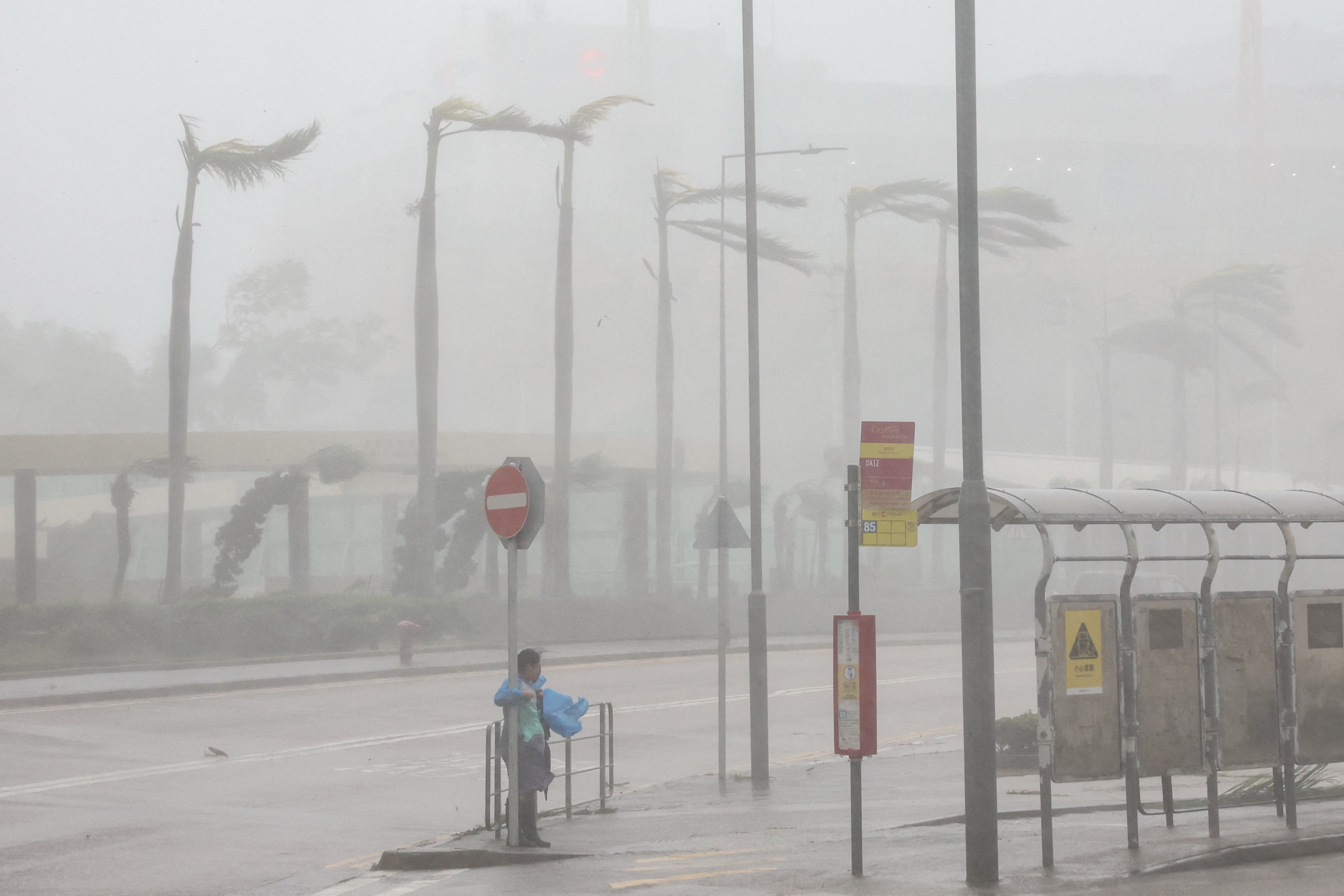
Strong winds battered Hong Kong
TYRONE SIU/REUTERS
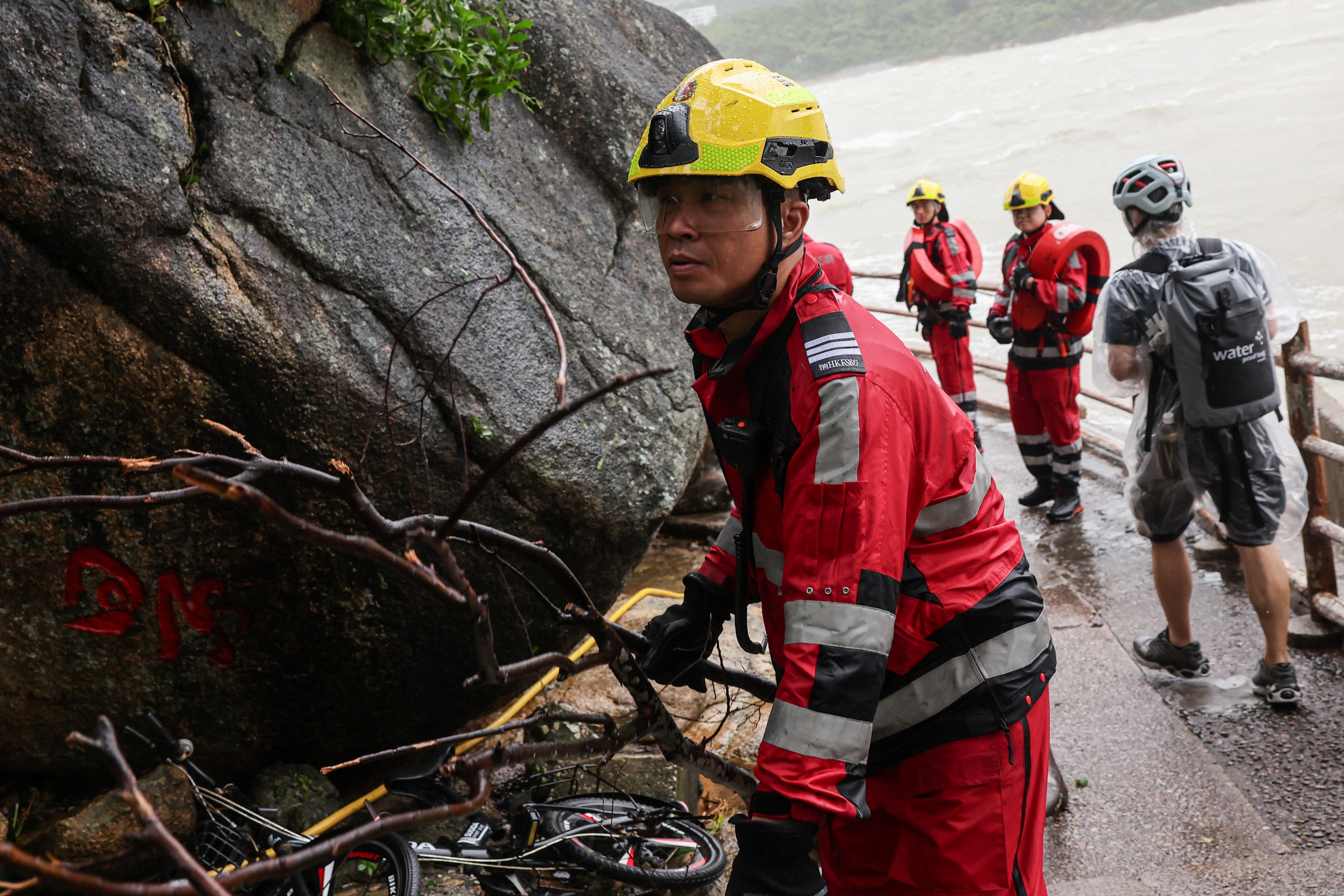
Thirty-three people were injured in Hong Kong as of 9am, according to the South China Morning Post. There were reports of more than 200 fallen trees and scaffolding, signs, roof tiles and other objects being blown away.
Dramatic video circulating online apparently showed floodwaters bursting through the lobby of the Fullerton Ocean Park Hong Kong Hotel and sweeping people off their feet. It was unclear if anyone was injured.
Ragasa is expected to maintain its super typhoon intensity as it heads westward over the South China Sea toward China’s Guangdong province, where it may make landfall on Wednesday.
The Hong Kong Observatory urged people to stay home as it issued a No 10 signal — its most severe warning for storm threats. It warned: “Areas which were previously sheltered may become exposed … seas will be phenomenal with swells.”

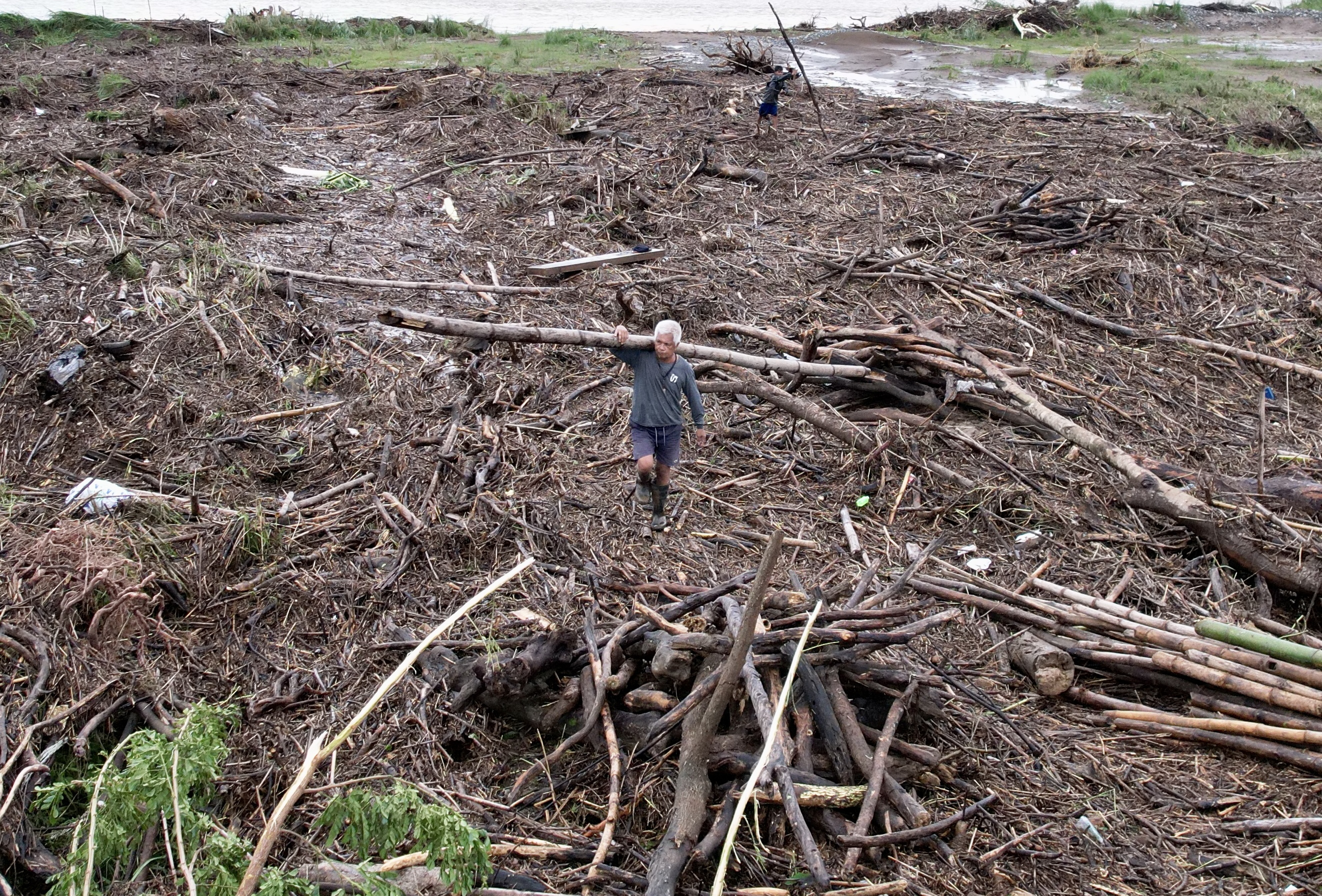
The aftermath of the super typhoon in Hualien, Taiwan
ANN WANG/REUTERS

The territory was brought to a standstill, with schools and businesses closed, storm shelters had taken in more than 700 people, and hundreds of flights were cancelled. Parts of Lantau, which hosts Hong Kong international airport, were flooded.
Flooding was also reported at points including Shing Mun River, Tong Chun Street in Tseung Kwan O and Lam Tsuen River. Tai O was also expected to see severe flooding if water levels topped the floodgates.
On Tuesday, a woman and her five-year-old son were swept into the sea while watching the storm. They were rescued and placed in intensive care, SCMP reported.
Video from SCMP showed the streets of Causeway Bay, a major commercial area that is usually packed with people, completely empty and stores shut. There was panic buying before the storm’s arrival. Residents left little on supermarket shelves amid fears of prolonged closures.
Super typhoon Ragasa caused severe flooding and landslides in Luzon Island in the Philippines
BERNIE SIPIN DELA CRUZ/EPA
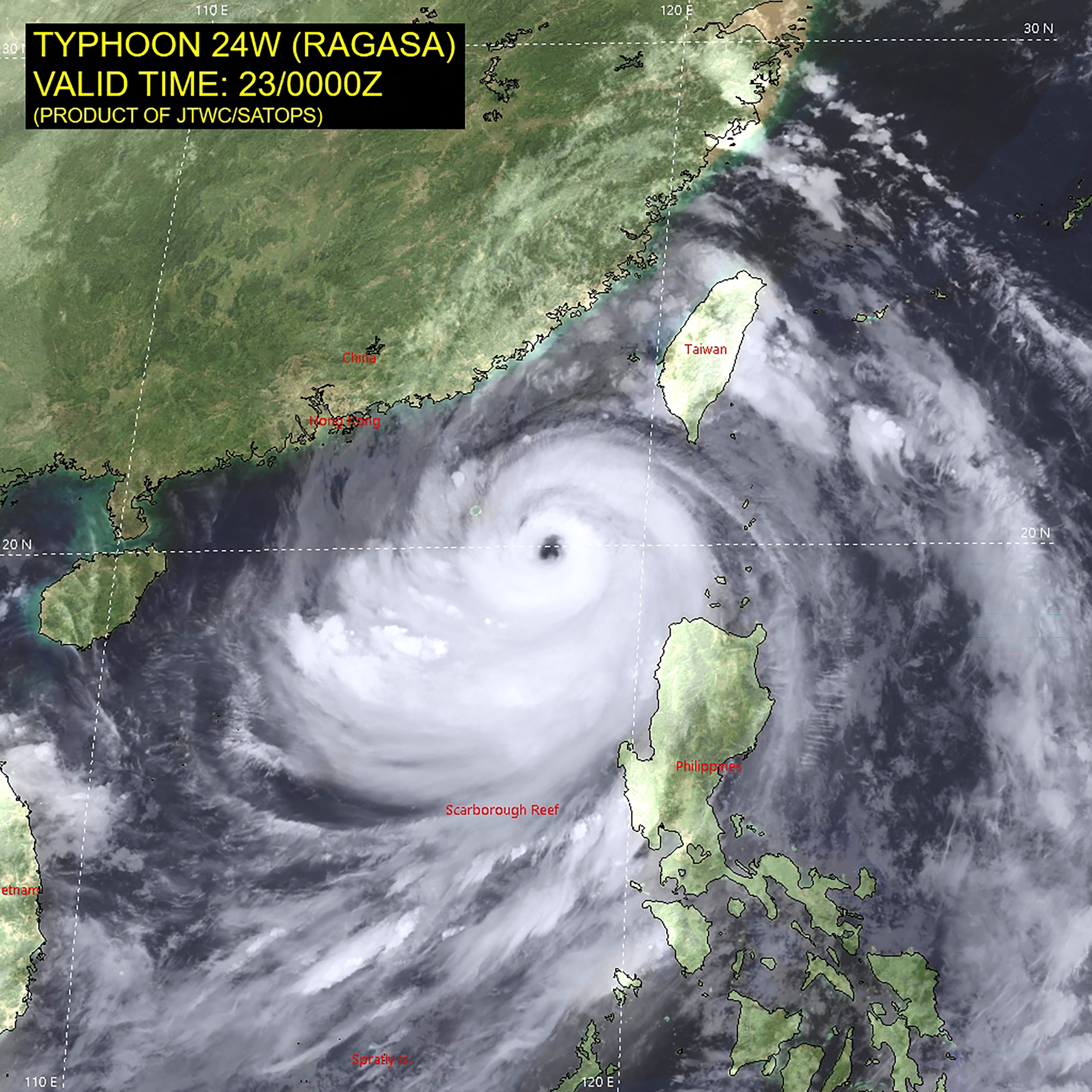
The powerful storm bearing down on Hong Kong and mainland China
US NAVY/AFP
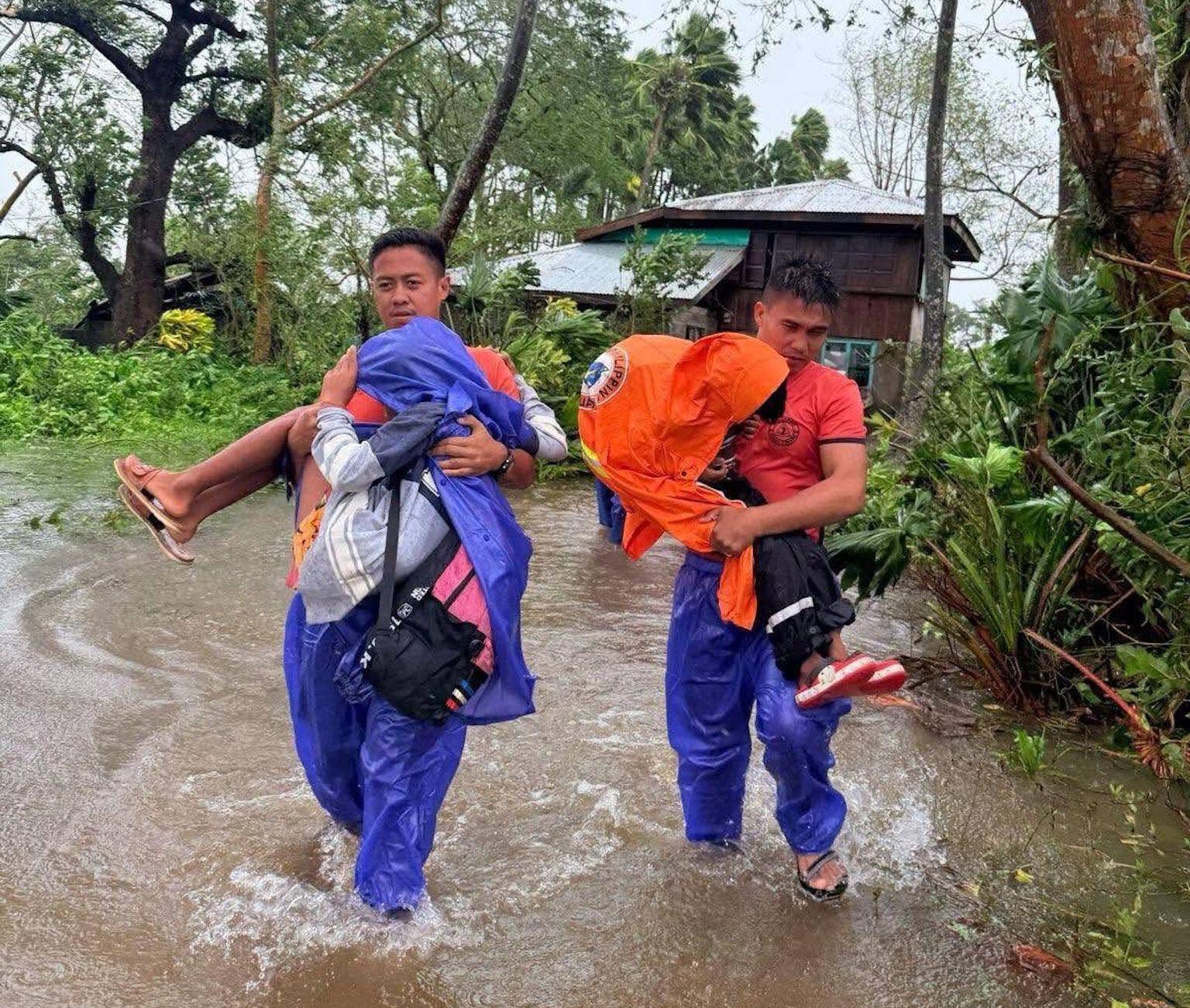
Rescuers carry residents to safety in Cagayan Province, the Philippines
PHILIPPINE COAST GUARD/ALAMY
Some were taking the storm in stride. “It feels like any other storm just slightly more severe with wind sounds,” Angeline Koh, a resident of Tuen Munin in the New Territories told Channel News Asia. “But HK storms have a ‘never-ending feeling’, like it feels like it would rain forever when it gets this bad.”
Juliana Loh of the Mid-Levels said that the storm did not feel more intense than usual typhoons, adding, “It looks like a rainy day.”
Typhoons are the western Pacific equivalent of hurricanes. A super typhoon is usually described as having winds of 150mph or higher.