
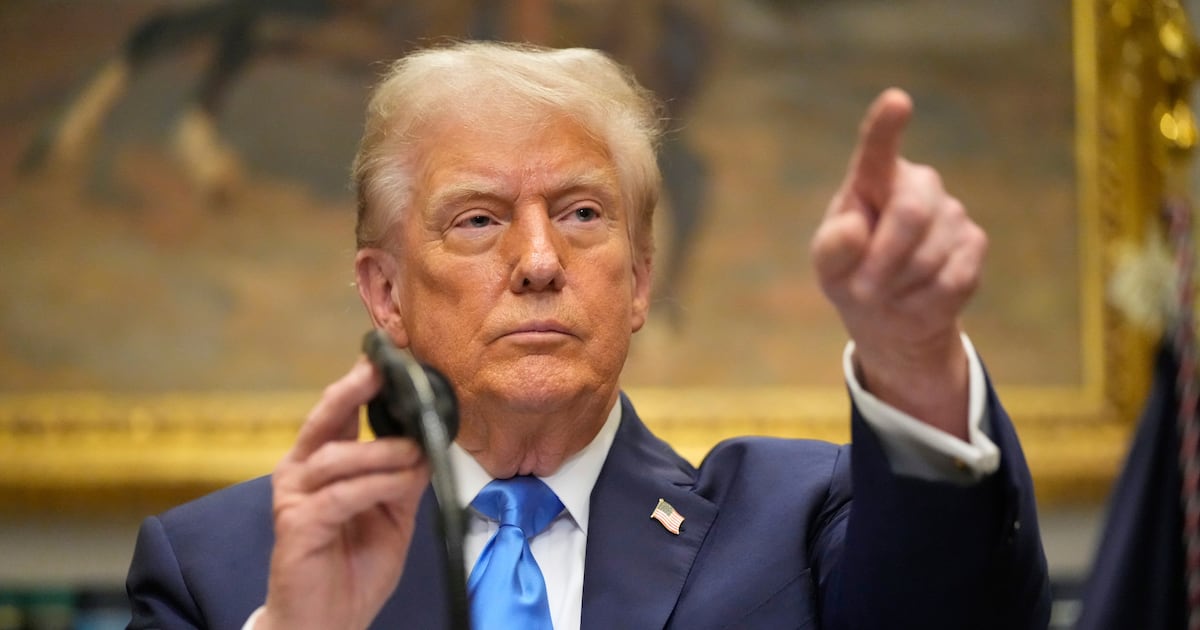
Immigration lawyer Steven Green says the H-1B Visa is disproportionately used by Indian and Chinese nationals, with claims that it has caused job losses.
Canadians who currently have H-1B visas won’t be affected by a change in the U.S. program for skilled workers, but new applicants should know the move to raise the fees could face legal challenges, an immigration lawyer says.
U.S. President Donald Trump signed a proclamation Friday requiring companies to pay a steeper fee of US$100,000 on H-1B visas for workers with specialized skills. The change took effect Sunday.
“It’s important to note that when President Trump or any president issues executive orders, they are often met with legal challenges, so it’s possible that there could be an injunction,” Steven Green, immigration lawyer with Mandelbaum Immigration Lawyers in Toronto, told CTV Your Morning on Tuesday.
“It’s possible that this executive order may not go into effect as intended. … These are still early days and it’s going to take some time to sort of untangle what the implications are of this executive order.”
Some immigrant employees, students and U.S. companies were confused about the move. In response to the concerns, the Trump administration said Saturday that the change only applies to new applicants, not renewals or current visa holders. H-1B employees travelling overseas will still be able to re-enter the United States, it added.
However, some employers are advising their H-1B workers not to travel right now until the situation is “clearer,” Leon Rodriguez, the former director of U.S. Citizenship and Immigration Services in the Obama administration, was quoted as saying in an Associated Press report Monday.
The number of new H-1B visas is limited to 65,000 each year, with an extra 20,000 for those with at least a master’s degree.
Questions remain on whether the new fee will apply to universities, non-profit research organizations and other companies exempted from the annual limit, according to Bo Cooper, partner at the immigration law firm Fragomen, Del Rey, Bernsen & Loewy, in the same AP article.
What are H-1B visas?
The H-1B visas are meant to help American companies find workers with specialized technical skills. They aren’t for employees who want to stay permanently in the country. The visas are valid for three years and can be extended for another three years.
Why did the U.S. change the H-1B visa policy?
In Trump’s proclamation, he said the move was an important step “to curb abuses and protect American workers.” Critics say the H-1B visas take jobs away from American workers.
Green said he thinks the change may be a “negotiation tactic.” The H-1B visa is “disproportionately used” by nationals from India at about 70 per cent, and China at about 12 per cent, he added. Meanwhile, about one per cent of H-1B visa holders are Canadians.
“It is certainly an interesting time for them to be implementing this, but it’s likely got something to do with the trade wars that are going on right now.”
Watch the video above for the full interview.
With files from The Associated Press and Reuters