
Yet the Kremlin’s initial response to all of this has been rather restrained.
Vladimir Putin’s spokesman Dmitry Peskov gently brushed aside the “paper tiger” insult.
“Russia’s in no way a tiger,” Mr Peskov to a Russian radio station. “It’s more associated with a bear. And there is no such thing as a paper bear.”
What of the suggestion that Kyiv could retake lost territory?
“The assertion that Ukraine can win back something by fighting is mistaken,” the spokesman told reporters later.
On a Kremlin conference call for journalists, I ask Dmitry Peskov for his reaction to Trump’s comments.
“Russia, in general, and President Putin in particular value highly President Trump’s political will to continue working towards a peace settlement,” Peskov replies.
Very diplomatic.
Then again, we’ve seen this before.
So often when Trump posts or voices unexpected criticism of Russia and/or of Putin, the Kremlin takes a deep breath and responds with something a little calmer, more restrained than we might expect.
But why?
Today’s edition of the Izvestiya newspaper suggests the first reason.
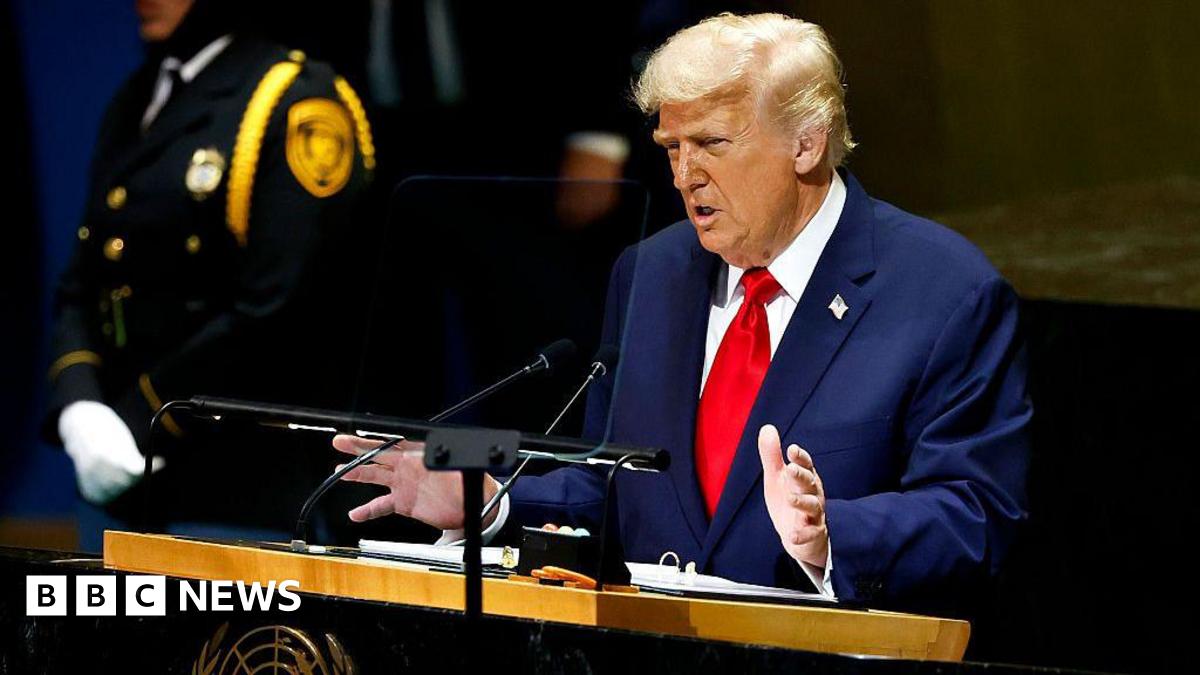
“It’s important to remember that Trump is influenced by the last person he has spoken to,” wrote Izvestiya. “In this case it was Zelensky.”
In other words, Moscow believes that Donald Trump’s views on Ukraine are not set in stone and that he can be persuaded to come round to Russia’s view.
“We will have the opportunity to convey our position to the American side,” Peskov tells me. “Our foreign minister Sergei Lavrov can do this. He’s meeting his counterpart [US Secretary of State Marco Rubio] in New York on the sidelines of the United Nations General Assembly.”