
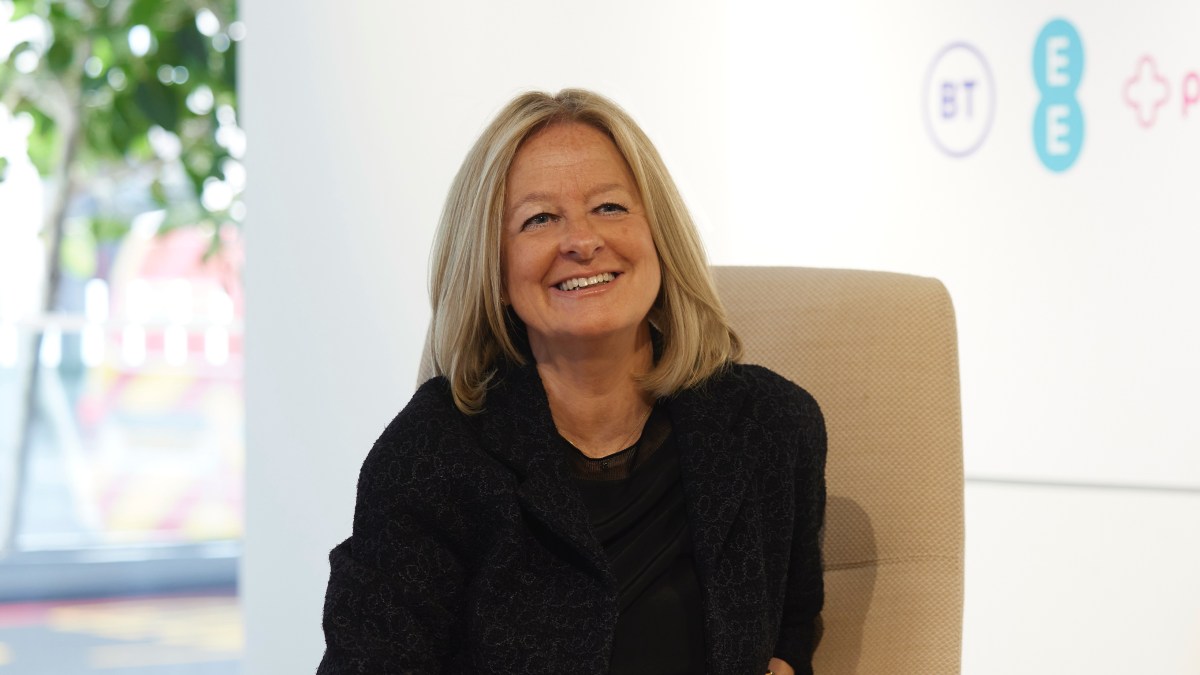
The boss of BT and other big business leaders have warned the government that high taxes and excessive red tape risk deterring investment in Britain.
Allison Kirkby, chief executive of BT, claimed that the FTSE 100 telecommunications group paid “ten times” more than peers in other major European economies in “government-inflicted costs”, before what she said would be a “very difficult” budget in November.
“We pay in business rates, energy levies and other costs associated with regulation and compliance ten times the amount our peers pay in countries like Germany and the Netherlands,” she told an industry event in London, citing internal analysis by the company.
She called on the government to cut red tape and reform a cumbersome planning system.
Kirkby said BT and the wider telecoms sector could be a catalyst for economic growth but investors needed certainty that they could make a return.
Dave Ricks, chief executive of Eli Lilly, one of the world’s biggest drug companies, also criticised the competitiveness of Britain’s business backdrop, telling the Financial Times that the UK was “probably the worst country in Europe” for drug prices, intensifying the industry’s lobbying of the government to improve a contentious NHS supply agreement.
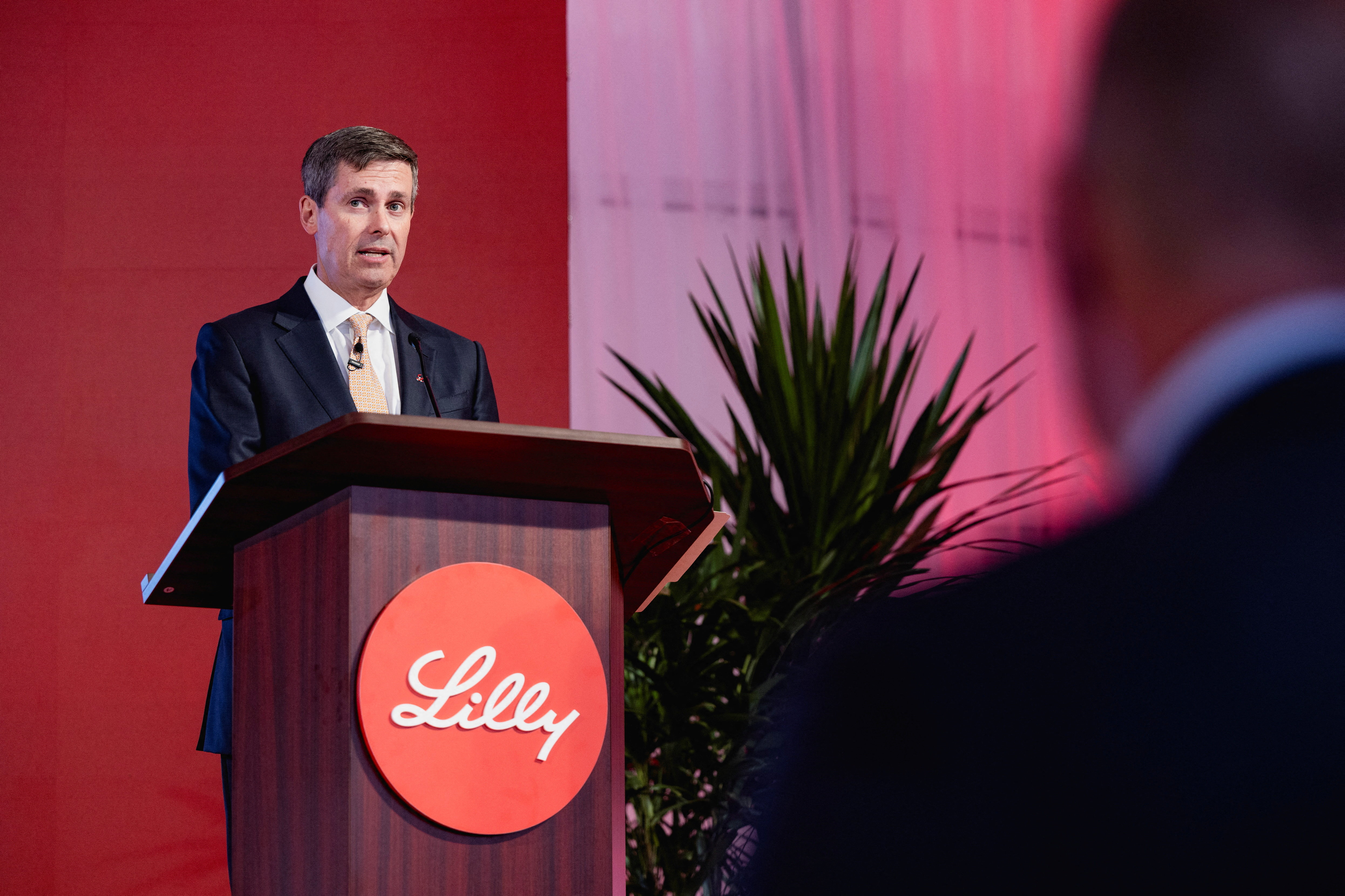
Dave Ricks of Eli Lilly
ANTRANIK TAVITIAN/REUTERS
Pharmaceutical companies have paused or scrapped about £1.5 billion in investments in the UK this year.
The comments are the latest in a chorus of concern from chief executives over Britain’s attractiveness to investors before the budget on November 26, when Rachel Reeves is under pressure to raise taxes to fill a hole of up to £40 billion in the public finances.
Retailers including Next, Tesco and Sainsbury’s have warned the chancellor over additional levies after increases in national insurance contributions and the national living wage announced in last year’s autumn budget.
Régis Schultz, chief executive of JD Sports Fashion, warned the chancellor that any further rises in employment costs would be bad for jobs and prevent younger shoppers from spending. “We’re starting to see unemployment going in the wrong direction and that is really worrying, especially for us, because the young customer is the first one to be impacted,” he said.
JD Sports was hit by an estimated £30 million increase in costs from the rise in national insurance contributions and the national living wage in the last budget.

Régis Schultz of JD Sports warns of rising unemployment
JON SUPER FOR THE TIMES
“That is our plea. Don’t increase the cost of labour. Make sure that we keep competitive, keep the UK competitive in the world and make sure that we don’t increase the cost of our labour because that will have a really bad impact on the global economy.”
Separately, the boss of Enquest, one of the North Sea’s largest independent oil and gas operators, issued a stark warning over the future of the UK industry, which he said was losing 1,000 jobs a month.
“Rather than exporting jobs [and] importing oil, I think it’s better to produce oil and keep the jobs in place in the UK,” Amjad Bseisu, the company’s chief executive, said.
The Department for Business and Trade and the Treasury did not immediately respond to requests for comment.