
Data centres to support artificial intelligence are on course to account for a tenth of global growth in electricity demand over the coming decade, according to BP.
In America, the leading AI market, data centres could account for 40 per cent of the increase in power usage by 2035, the oil giant estimates in its annual World Energy Outlook report.
“The seemingly exponential growth in data centres to support the increasing use of artificial intelligence applications provides an important new source of energy demand, especially in some markets such as the US where growth in power demand over the past decade had virtually stalled,” Spencer Dale, BP’s chief economist, said.
• Why it isn’t too late to invest in AI
BP predicts that total global demand for electricity will increase by more than 40 per cent by 2035 and almost double by 2050, based on current trends, primarily driven by buildings and industrial uses, followed by transport such as electric vehicles.
Its analysis also, however, foresees a “material boost to electricity demand” from data centres, whose consumption it says will increase nine-fold by the middle of the century. That would mean data centre demand growing from about 1 per cent of global power usage in 2023 to about 5 per cent of the much higher global power usage by 2050.
BP warned that AI had the potential to have even more far-reaching consequences for the global energy system and its effects were “enormously uncertain”.

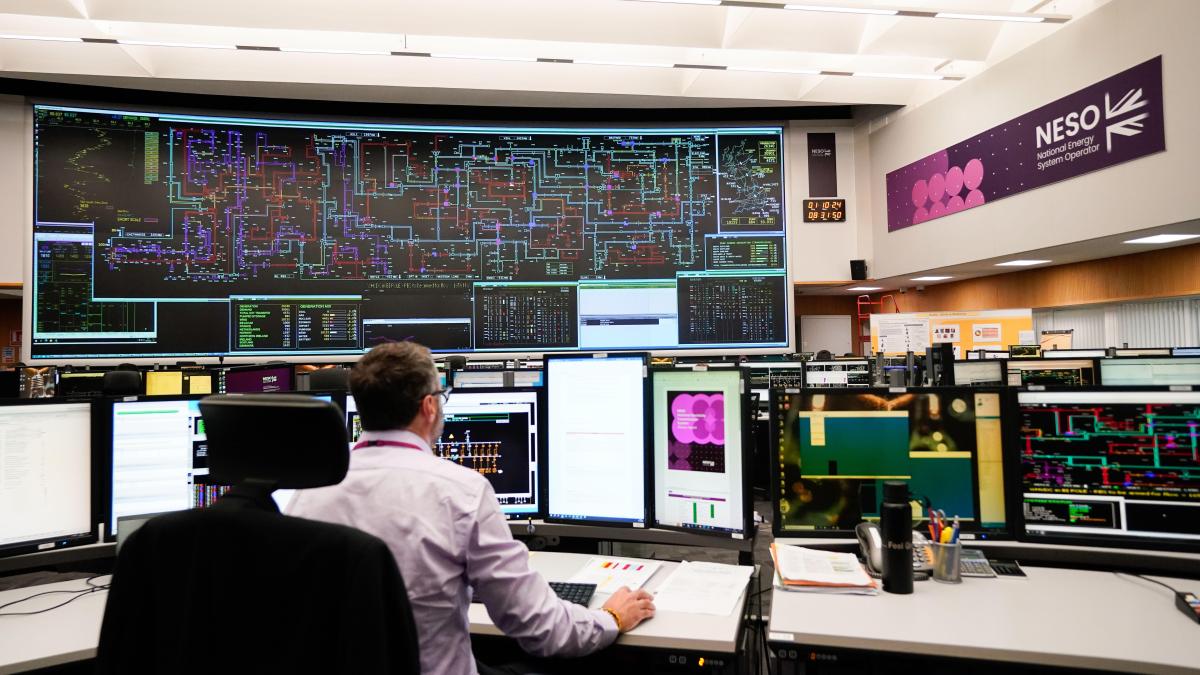
AI platforms demand huge power resources
ANTHONY KWAN/GETTY IMAGES
On the one hand, AI could “materially boost the growth of the global economy” through productivity gains, potentially increasing global energy demand by as much as 15 per cent by 2035, an impact about 20 times greater than that of AI data centres alone.
On the other hand, AI could increase the efficiency of the energy system and could lead to a “very substantial” reduction in global energy demand through efficiency improvements in everything from industrial processes to traffic management and building heating.
BP said its scenarios incorporated only modest AI-derived productivity gains at present and did not assume AI-driven technological breakthroughs in energy supply. “Given the rapid pace of developments in the design and use of AI applications, any estimates of these AI effects are, at present, enormously uncertain and their impacts could be far larger,” it said.
“The uncertainties around their eventual size dwarf those solely around the future power needs of data centres.”
BP is a FTSE 100 oil and gas group that is in the middle of a strategic shift back to focusing on oil and gas after its foray into green energy generation failed to win over investors. Its annual World Energy Outlook analysis is led by Dale, a former chief economist of the Bank of England.
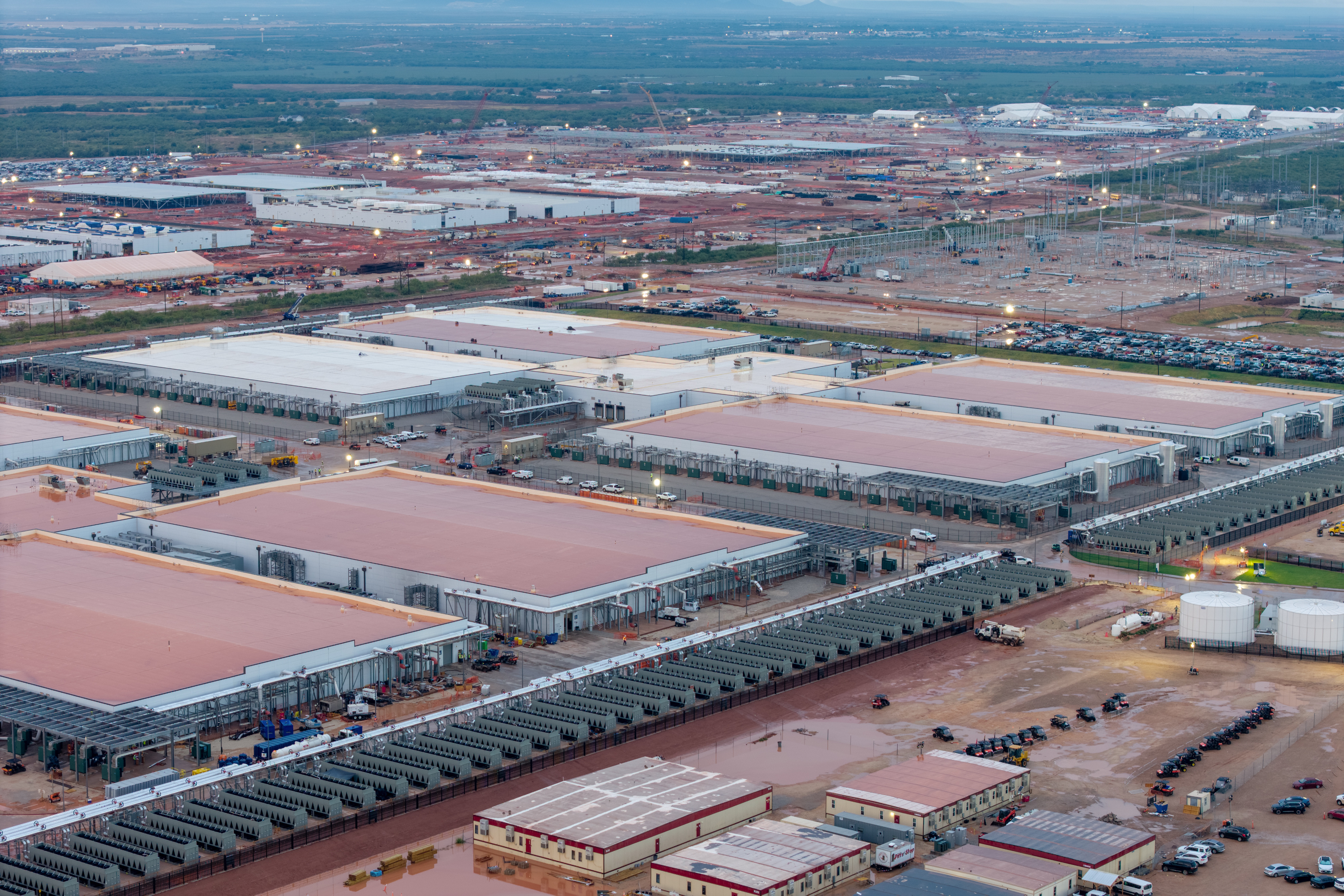
A data centre in Texas
KYLE GRILLOT/BLOOMBERG VIA GETTY IMAGES
BP’s latest outlook also delayed its projection of peak oil demand and significantly increased its forecasts for oil demand in coming decades, in part because motorists are hanging on to old petrol-guzzling cars for longer instead of replacing them with newer more fuel-efficient models.
Its analysis shows that the average age of cars on the road has risen by about three years over the past decade, from 12 to 15 years.
Last year BP’s projections showed oil demand hitting 101.7 million barrels per day by this year and falling to 101.2 million barrels per day by 2030.
This year’s projections show oil demand at 102.2 million barrels per day this year, rising to 103.4 million barrels per day by 2030.
It does not disclose the precise year in which it thinks that oil demand will peak but it is understood that the upward revision reflects the fact that energy demand of all types has been higher than it expected, following what Dale described as “another year of lacklustre gains in energy efficiency, the causes of which are still poorly understood”.
BP’s “current trajectory” scenario shows oil demand in 2050 at 83 million barrels per day, much higher than the 76.8 million barrels per day it projected last year. Its analysis shows that this is partly because of people upgrading their cars less often and partly because of predicted higher demand for longer for oil to make plastics and other petrochemicals products.
Global emissions would on their present trajectory fall by only about a quarter by 2050, far short of the 90 per cent decline required to limit global warming to 2C, the goal of the Paris climate accord.