
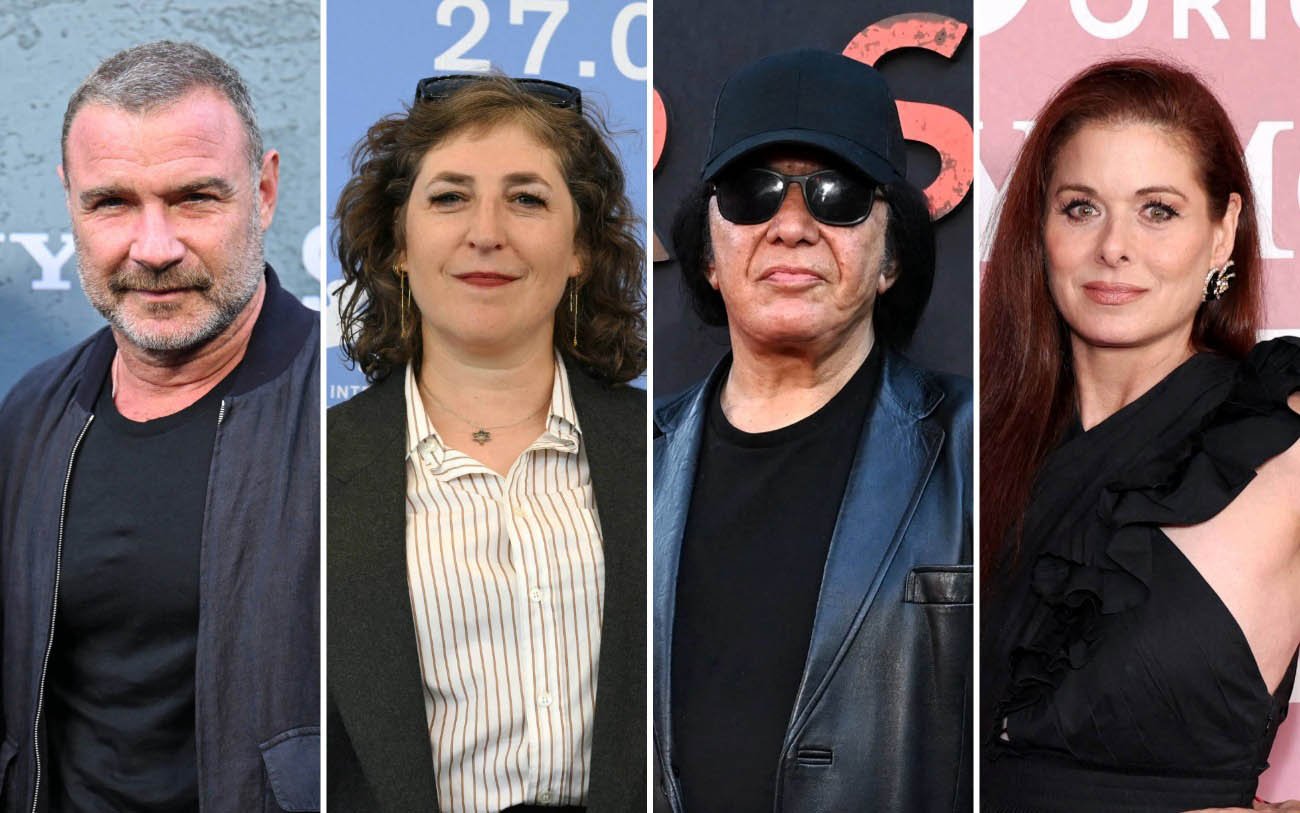
More than US 1,200 entertainment industry leaders signed an open letter on Thursday supporting Israel and chastising fellow entertainers for their call two weeks ago to boycott the Israeli film industry which, they claimed, was “implicated in genocide and apartheid” in Gaza.
The initial boycott letter published on September 8 had some 1,800 signatories, which grew to a total of more than 4,000. It named specific Israeli cultural institutions, including major Israeli film festivals such as the Jerusalem Film Festival, Haifa International Film Festival, Docaviv and Cinema South.
The institutions to be boycotted would include any involved in “whitewashing or justifying genocide and apartheid,” or that partnered with the Israeli government. The letter, organized by the group Film Workers for Palestine, said it was inspired by filmmakers who had refused to screen their work in apartheid South Africa.
Several days later, Paramount condemned the pledge, making it the first major studio to respond to the boycott letter.
Now, more than two weeks later, nonprofit entertainment industry organization Creative Community For Peace (CCFP) in partnership with grassroots organization the Brigade, a Hollywood network of Jewish advocacy, published a letter rejecting the boycott.
Get The Times of Israel’s Daily Edition
by email and never miss our top stories
By signing up, you agree to the terms
The signatories included Liev Schreiber, Mayim Bialik, Gene Simmons, Debra Messing, Sharon Osbourne, Greg Berlanti, Jerry O’Connell, Howie Mandel, Jennifer Jason Leigh, Lisa Edelstein, Erin Foster, Anthony Edwards, Rebecca De Mornay, Sherry Lansing and Haim Saban.
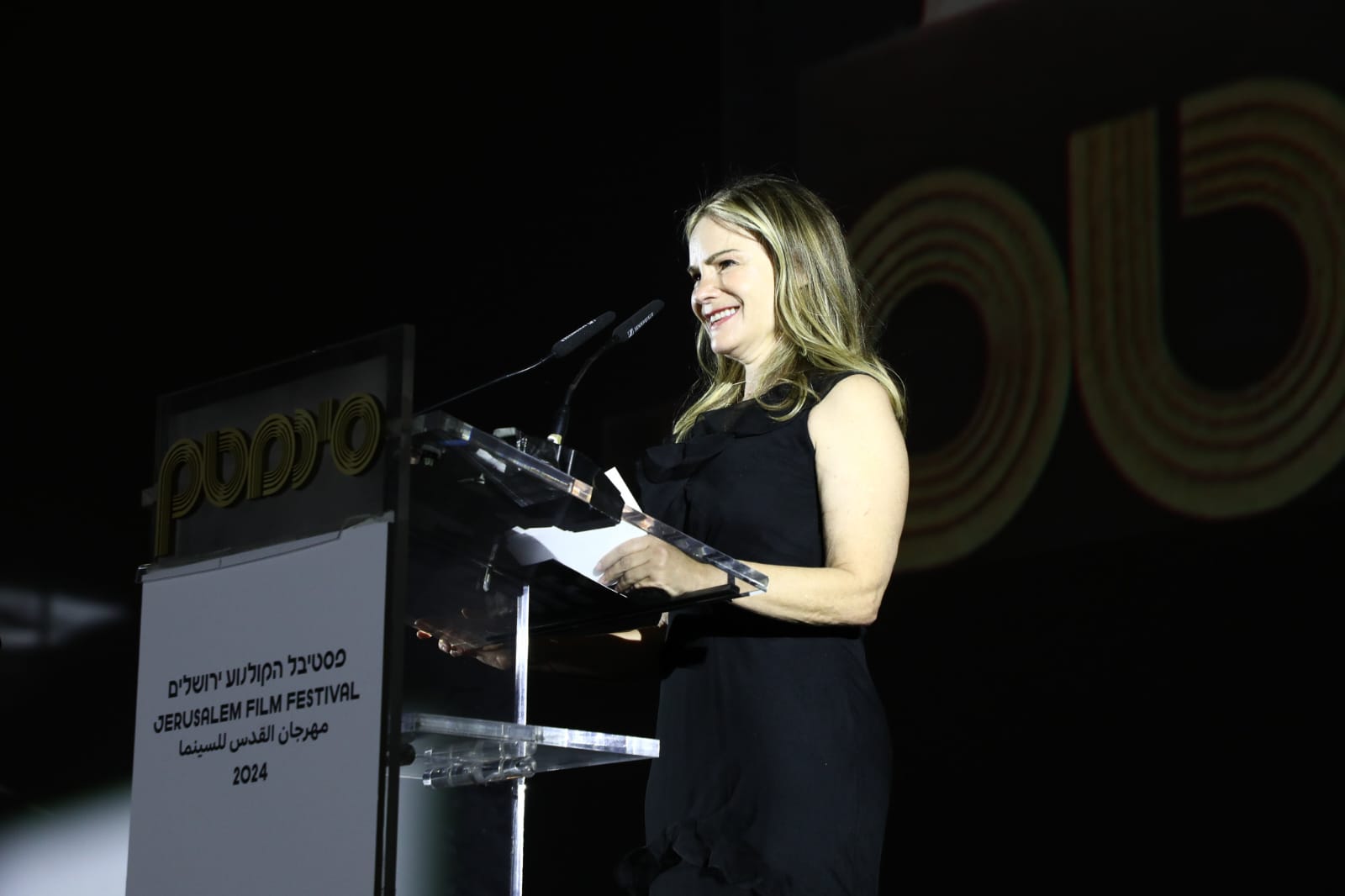
Actress Jennifer Jason Leigh speaking at the opening event of the 41st Jerusalem Film Festival on July 18, 2024. (courtesy, Sivan Parag)
“When artists boycott fellow artists based solely on their country of origin, it is blatant discrimination and a betrayal of our role as storytellers,” said actor Debra Messing in the CCFP statement. “History shows us that boycotts against Jews have long been a tool of authoritarian regimes — by joining this effort, these artists are knowingly or unknowingly aligning themselves with a dark legacy of antisemitism.”
Actor Mayim Bialik added that boycotting filmmakers, studios, production companies and individuals “simply because they are Israeli fuels division and contributes to a disturbing culture of marginalization.”
She said, “Additionally, this boycott pledge does nothing to end the war in Gaza, bring the hostages home, or help curb the alarming rise of antisemitism globally.”
Ari Ingel, executive director for CCFP, said the organization waited to release its response until after Rosh Hashanah.
“But have no doubt — there is strong, widespread rejection of the boycott call across Hollywood,” wrote Ingel to The Times of Israel. “While they may be loud — due to the activism of some of those who are part of the anti-Israel community — Hollywood by and large supports and stands by their peers in the Israeli film community.”
The CCFP letter said: “The pledge circulated under the banner of ‘Film Workers for Palestine’ is not an act of conscience. It is a document of misinformation that advocates for arbitrary censorship and the erasure of art.”
“To censor the very voices trying to find common ground and express their humanity, is wrong, ineffective, and a form of collective punishment,” wrote CCFP.
“We know that many of you have good intentions and believe you are standing for peace. But your names are being weaponized and tied to lies and discrimination. This pledge erases dissenting Israeli voices, legitimizes falsehoods, and shields Hamas from blame.
“If you want peace, call for the immediate release of the remaining hostages. Support filmmakers who create dialogue across communities. Stand against Hamas. Let art speak the whole truth.”
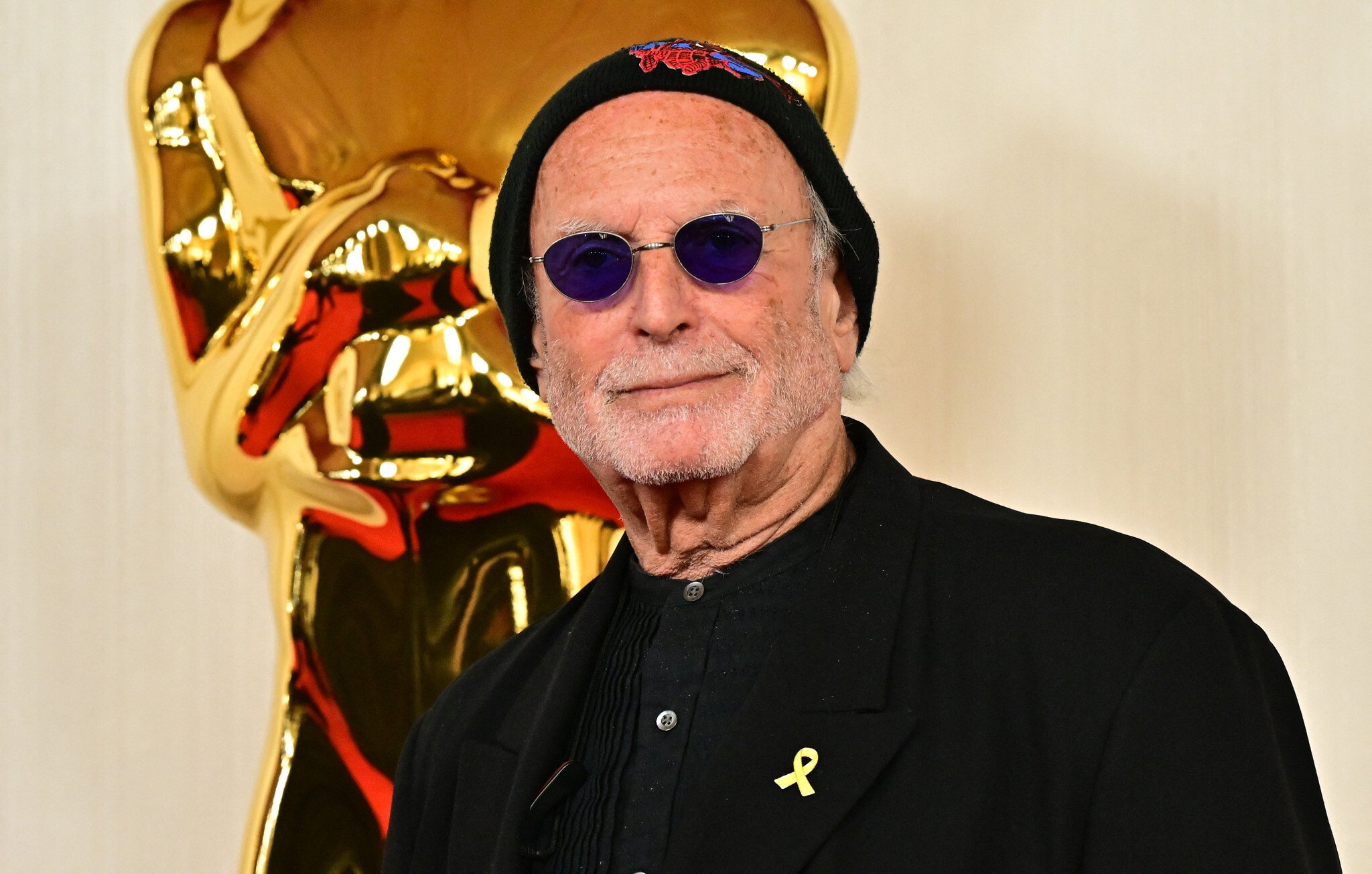
Israeli-American film producer Avi Arad, wearing a yellow ribbon pin to show solidarity with hostages held by Palestinian terror group Hamas in the Gaza Strip, attends the 96th Annual Academy Awards at the Dolby Theatre in Hollywood, California on March 10, 2024. (Frederic J. Brown / AFP)
The letter pointed out that Israel’s film industry includes award-winning projects about Palestinians and Jews.
It added that Israel’s film community is “restless, argumentative, and independent, where directors challenge government ministers and that many of the festivals targeted by the Hollywood boycott consistently program dissent.”
The initial boycott letter wrote in the FAQ document accompanying the missive that “the vast majority of Israeli film production and distribution companies, sales agents, cinemas and other film institutions have never endorsed the full, internationally recognized rights of the Palestinian people.”
Israel’s Culture and Sports Minister vowed 10 days ago to pull funding for the Ophir Awards and 2026 ceremony after the Best Feature award went to “The Sea,” about a 12-year-old Palestinian boy.
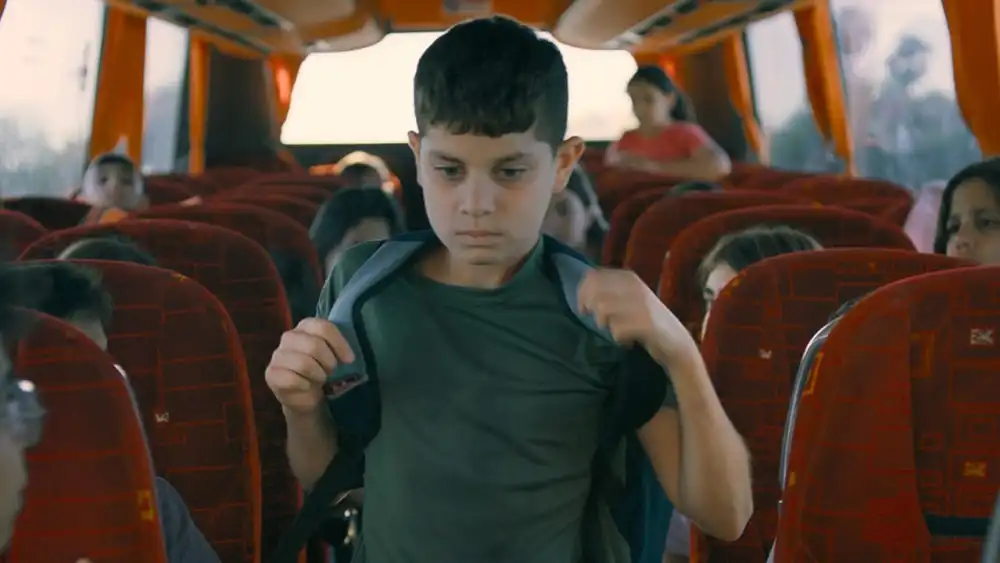
From ‘The Sea,’ the 2025 Ophir Award-winning film directed by Shai Carmeli-Pollak (Courtesy)
The film was produced with support from the Israel Film Fund, a public fund that is required to support artists without regard to their politics. A spokesperson for Film Workers for Palestine, the group behind the international boycott of Israeli film institutions, told Variety that the Israel Film Fund meets its threshold for complicity.
French director Michel Gondry last week canceled the screening of his animated film, “Maya, Give Me a Title,” at the upcoming Cinema South Festival in Israel in November, alongside other international films that have been withdrawn from the program, organizers said Sunday.
Israel faces a mounting wave of boycotts over the nearly two-year war against Hamas in Gaza that was sparked by the October 7, 2023, massacre in which terrorists killed some 1,200 people and took 251 hostage. The war has seen much of Gaza’s population displaced and widespread death and suffering in the Strip.