
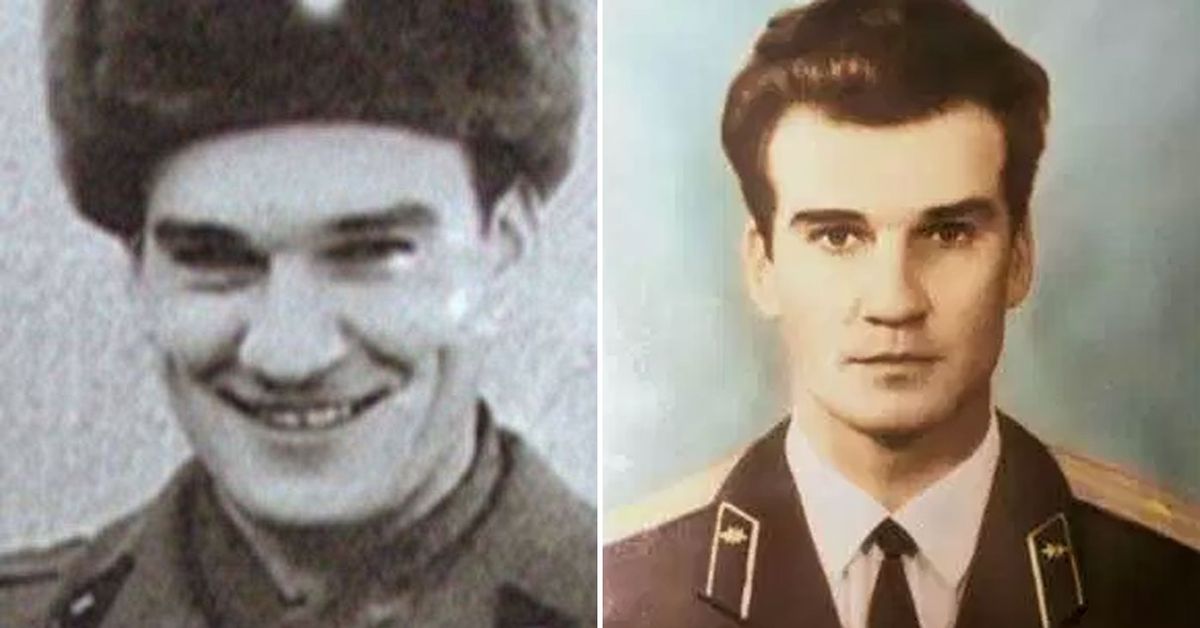
A Soviet duty officer’s caution saved the world from nuclear armageddon on September 26, 1983.
The system was designed to flag the moment the Americans fired their nuclear missiles.
It was Lt Col Petrov’s job to call his superiors and warn of an impending nuclear strike.
Based on his word, the Soviet forces would reply with tens of thousands of nuclear missiles targeting the US and its allies. If it did not end human life on this planet, it would change it irrevocably.
And time was not on Petrov’s side. A nuclear missile launched by the US could hit the USSR in 20 minutes.
But, based on nothing more than gut instinct, Petrov, then 44, did not make the call.
 Stanislav Petrov in his Moscow apartment in 2015. (AP)
“All I had to do was to reach for the phone, to raise the direct line to our top commanders – but I couldn’t move,” he told the BBC.
“I felt as if I was sitting on a hot frying pan.”
But he had a feeling that things weren’t right.
His misgivings proved fortuitous for the entire planet. The early-warning satellites had made the most banal of errors.
What appeared to be missiles being launched en masse was merely an illusion caused by sunlight reflecting off the top of clouds. That error could have destroyed the planet, were it not for Petrov’s caution.
The Soviets were on edge for a reason.
For the past two years, the US had launched a series of operations designed at making the USSR think an attack had been launched.
The US would fly bombers towards Soviet airspace on a daily basis, waiting until the last moment to change course.
And US intelligence ships would close in on Soviet territory, purely to make the Russians anxious.
Petrov may have averted the end of the world, but he wasn’t praised as a result.
Instead he was reprimanded by his superiors for not keeping the logbook accurate the night of the false alarm.
He retired from the military the following year, scraping by on a pension in his final days.
He died in May 2017, though even that would not become public knowledge until September that year.
The world would not know for years how close it came to destruction.
 Then-Australian Prime Minister Bob Hawke celebrates the America’s Cup win in September 26, 1983, unaware how the world came to nuclear war that day. (Supplied)
It was the day in 1983 Australia II won the America’s Cup.
The nation’s attention could not have been further away.