
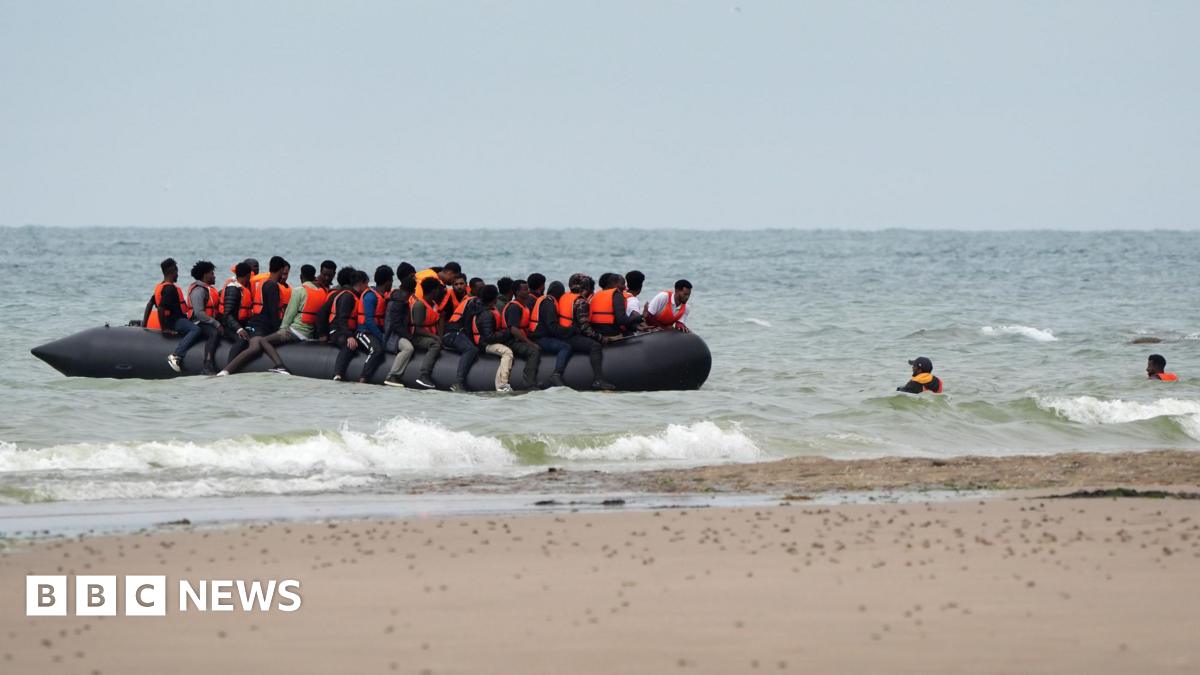
UK investigators can now seize the British assets of sanctioned individuals and groups, while firms in Britain must cut any financial ties with them.
Among the targets is a Chinese company, Weihai Yamar Outdoors Product Co, accused of manufacturing inflatable boats being advertised for people-smuggling.
Also on the list are people accused of sourcing fake passports, middlemen facilitating illicit payments and gang members involved in people-smuggling via lorries and small boats.
In a statement, Lammy said: “From Europe to Asia we are taking the fight to the people-smugglers who enable irregular migration, targeting them wherever they are in the world and making them pay for their actions.
“My message to the gangs who callously risk vulnerable lives for profit is this: we know who you are, and we will work with our partners around the world to hold you to account.”
But Oxford University’s Migration Observatory said the impact could be limited.
Its director Dr Madeleine Sumption said she would be “surprised” if the sanctions were the “game changer” to end small boat crossings.
“There are so many people involved in the industry that targeting people individually is probably only going to have an impact around the margins,” she told BBC Radio 4’s Today programme on Tuesday.
She added: “The impact is dependent to an extent on the co-operation of other countries where smugglers are operating.”
Challenged over whether the sanctions would have an impact, Migration Minister Seema Malhotra told the BBC that freezing assets would leave groups unable to interact with the UK economy and “disrupt” their operations.