
Filter by article type:
In-brief analysis
In-depth analysis
In-brief analysis
Jul 23, 2025
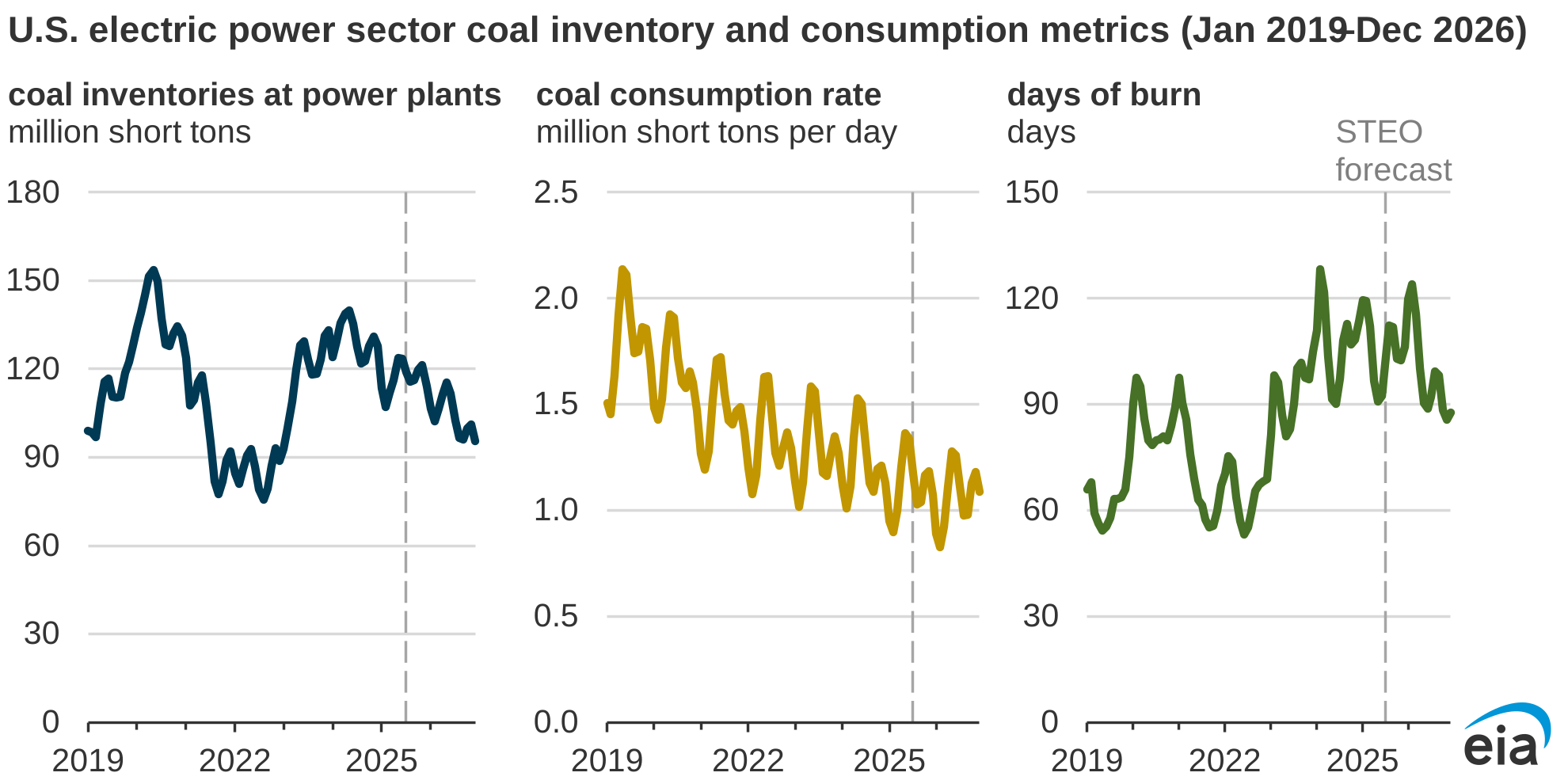
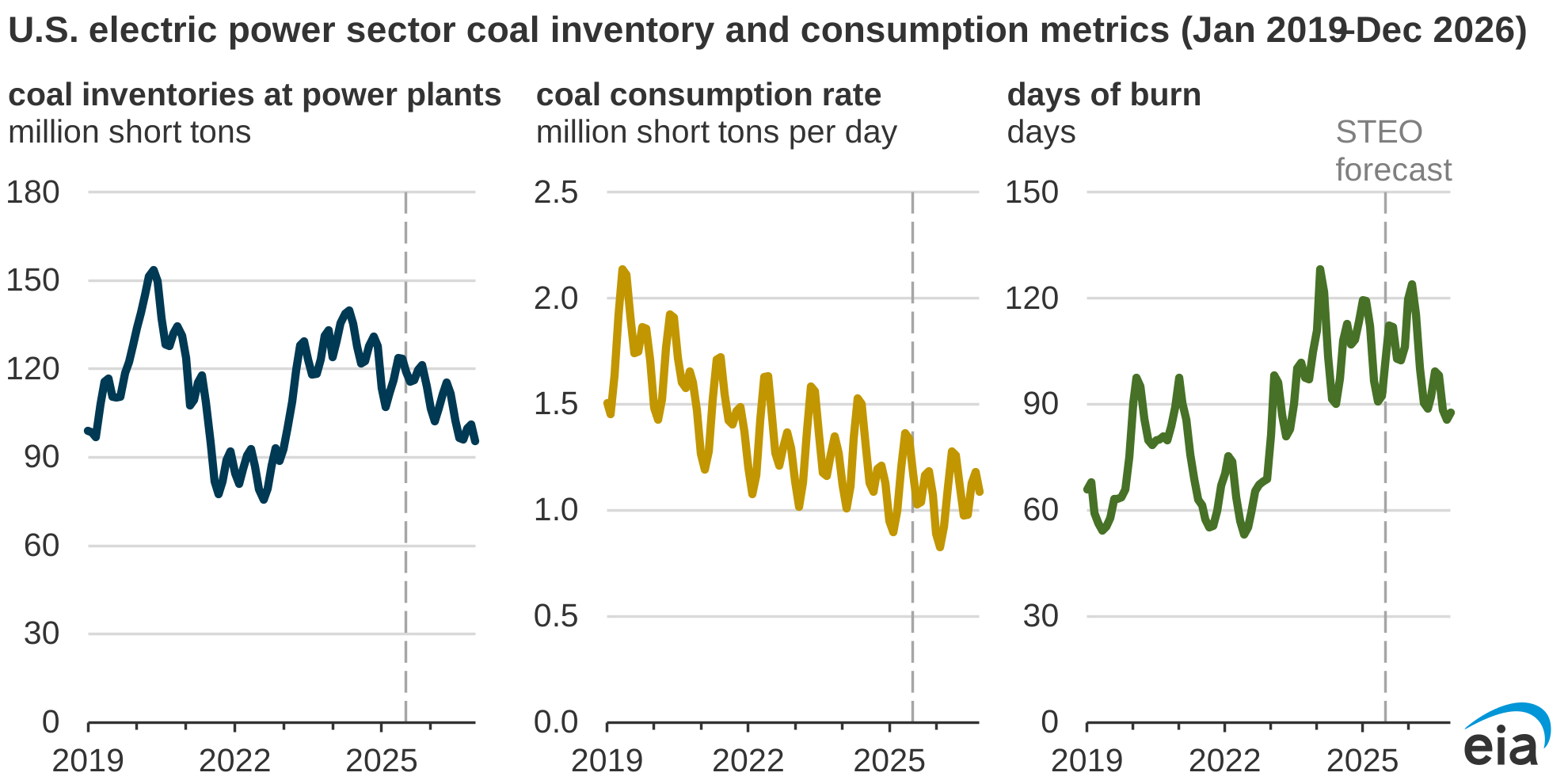
We expect U.S. coal-fired power plants will remain relatively well-stocked through the end of next year in our latest Short-Term Energy Outlook. We estimate power plants in the United States had 124 million short tons of coal on-site at the end of June for them to consume that coal at a rate of about 1.3 million short tons per day, meaning they had about 93 days’ worth of fuel on-site. This metric, also called days of burn, is calculated by dividing coal inventories held at power plants by a seasonal consumption rate. We forecast days of burn will range between about 90 and 120 days between now through the end of 2026, or about a month’s worth of coal more than power plants had on-site between 2019 and 2022.
In-brief analysis
Jul 22, 2025

The United States exported more crude oil to Nigeria than it received from Nigeria for the first time in February and March 2025. During this period, refinery maintenance on the U.S. East Coast drove down U.S. demand for crude oil imports, including imports from Nigeria, and the relatively new Dangote refinery in Nigeria drove up Nigeria’s demand for inputs, including crude oil it imported from the United States. This marks the first time that the United States was a net crude oil exporter to Nigeria, and structural changes to crude oil trade between the countries suggest this dynamic could occur more frequently.
In-brief analysis
Jul 21, 2025
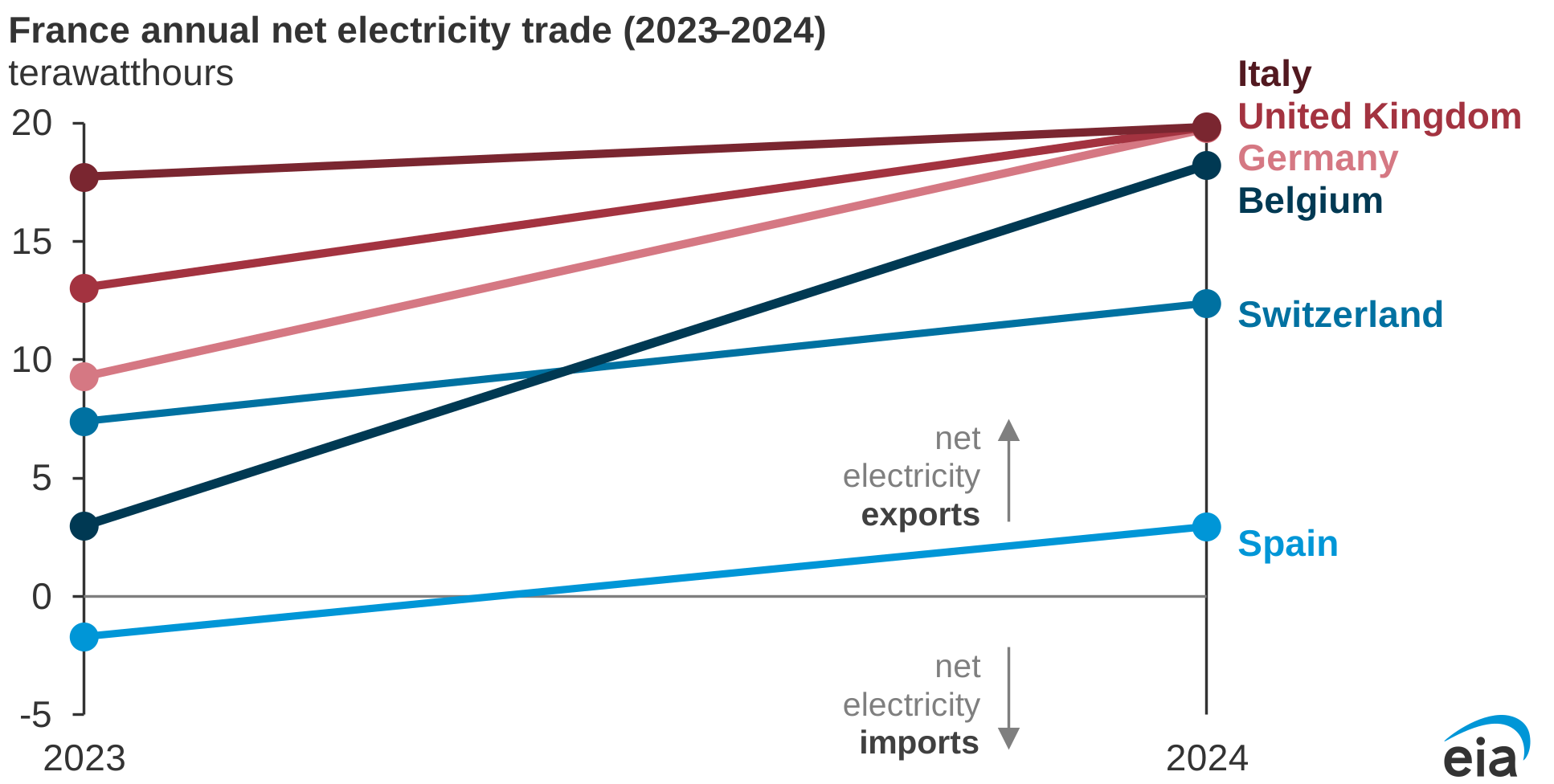
In 2024, France increased its cross-border electricity deliveries by 48%, from 70 terawatthours (TWh) in 2023 to 103 TWh in 2024. France’s electricity exports to Belgium and Germany increased the most, but France also exported more electricity to Spain, Switzerland, the United Kingdom, and Italy, according to data from the European Network of Transmission System Operators for Electricity. Within France’s electricity generation mix, nuclear energy increased the most, followed by hydropower.
In-brief analysis
Jul 18, 2025
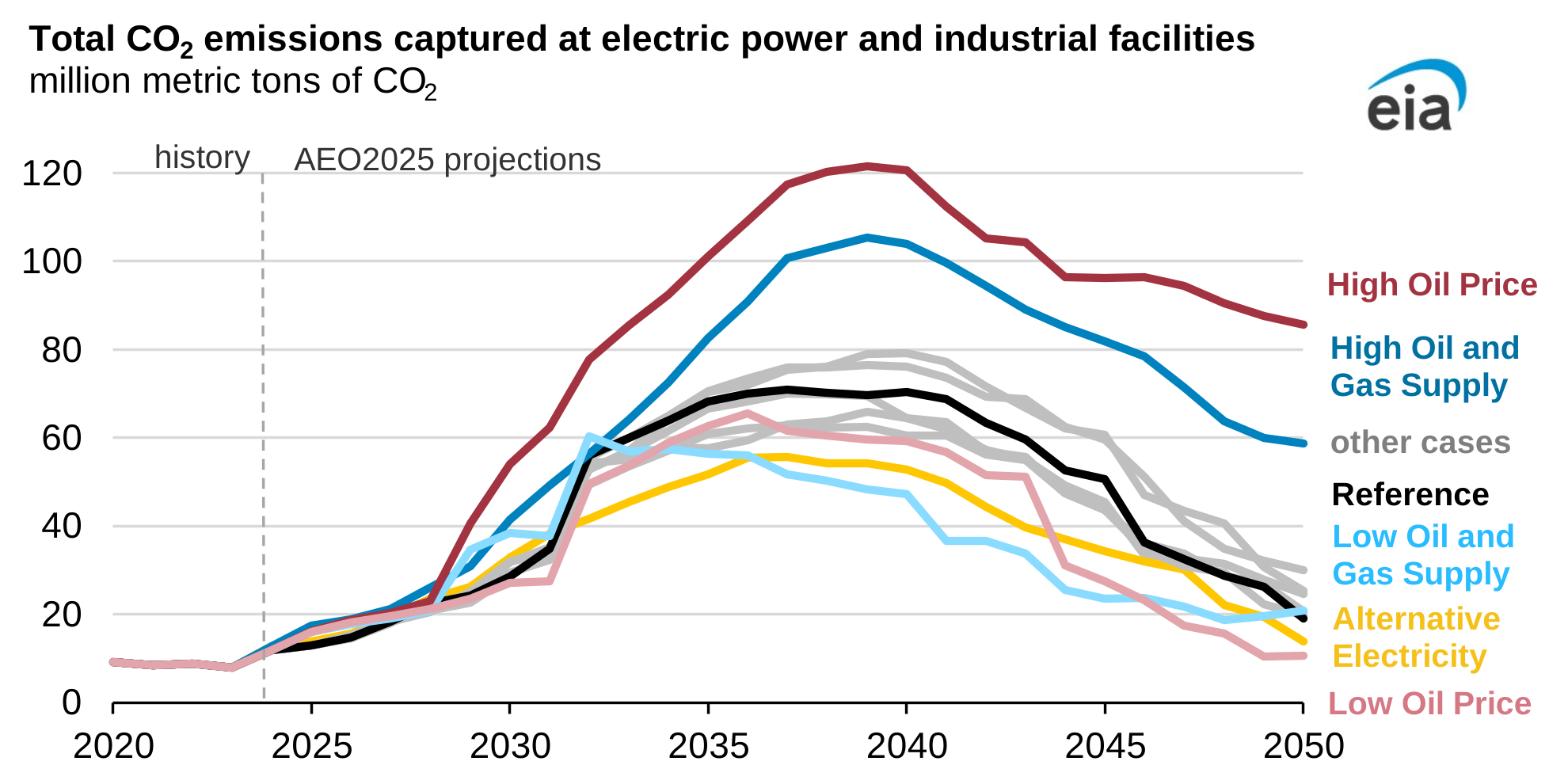
Data source: U.S. Energy Information Administration, Annual Energy Outlook 2025 (AEO2025)
In our recently published Annual Energy Outlook 2025 (AEO2025), we introduce our new Carbon Capture, Allocation, Transportation, and Sequestration module (CCATS), which allows us to model carbon capture in the coming decades.
In-brief analysis
Jul 16, 2025
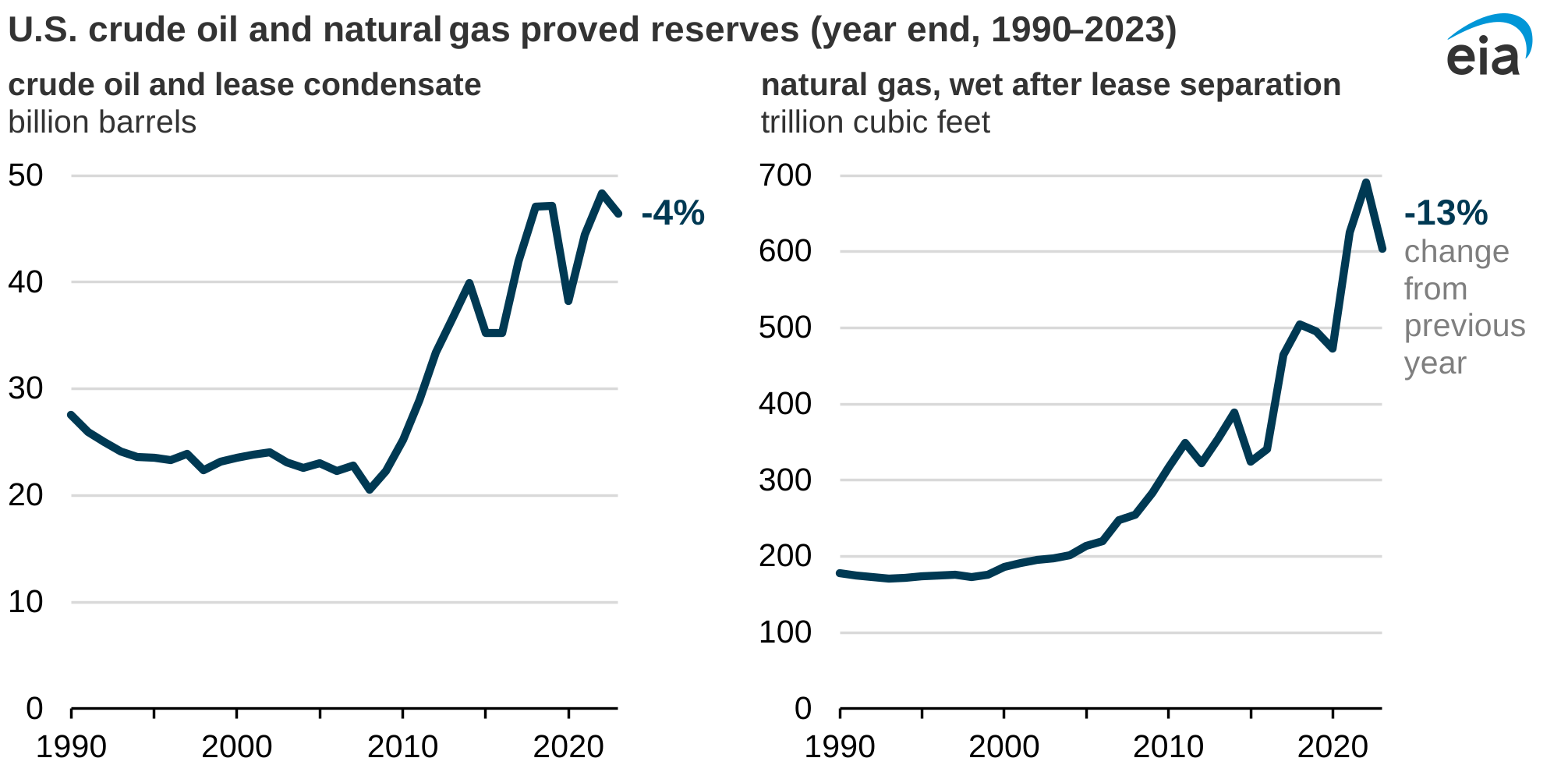
U.S. proved reserves of crude oil and lease condensate totaled 46 billion barrels at year-end 2023, a 4% decline from the previous year’s record, according to our U.S. Crude Oil and Natural Gas Proved Reserves, Year-End 2023 report. U.S. proved reserves of natural gas fell to 604 trillion cubic feet, a 13% decline from their 2022 record. Both declines marked the first annual decrease in U.S. proved reserves for those fuels since 2020.
In-brief analysis
Jul 14, 2025
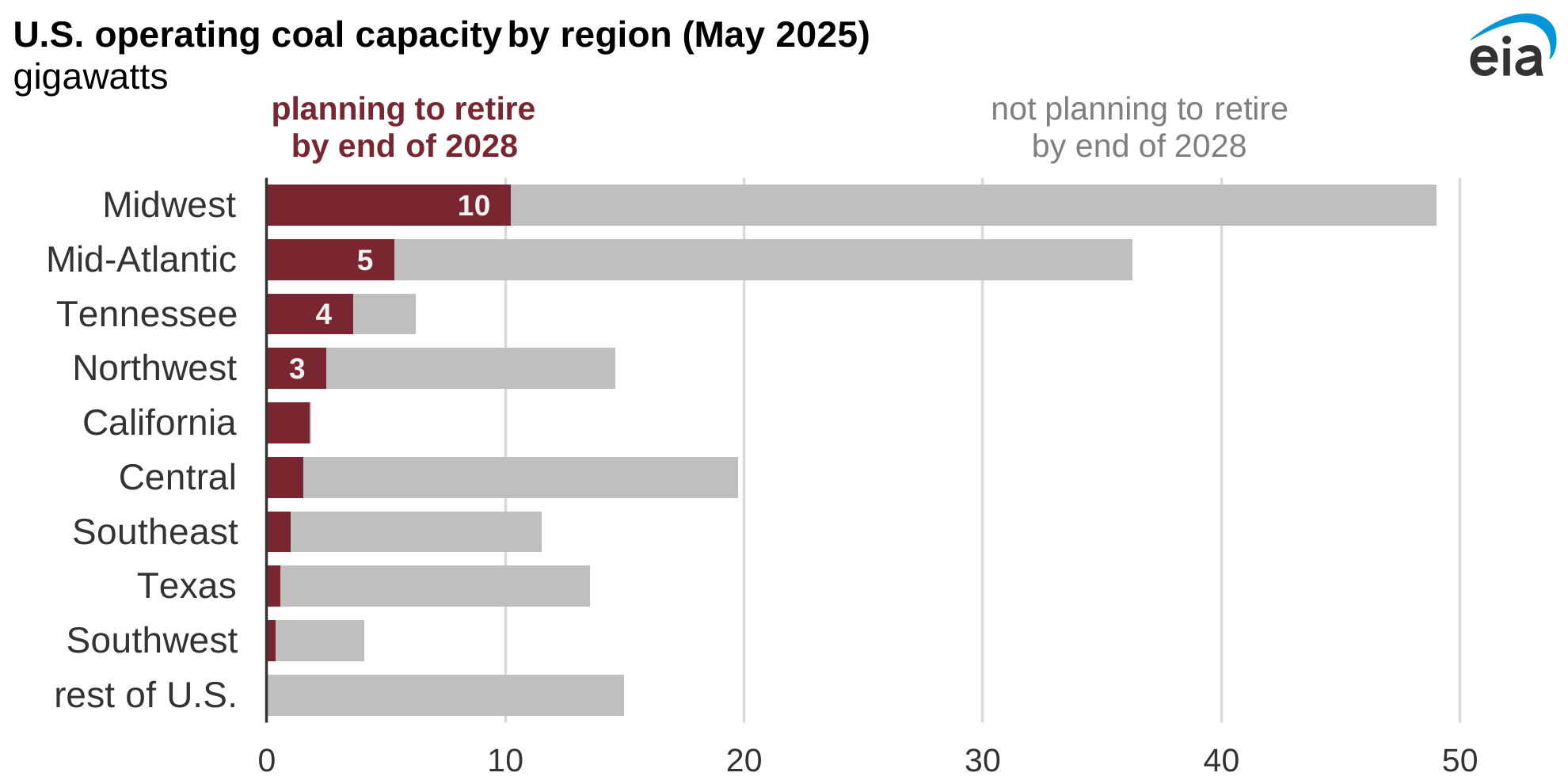
Based on what power plant owners and operators have reported to EIA, the total operating capacity of U.S. coal-fired power plants is scheduled to fall from 172 gigawatts (GW) in May 2025 to 145 GW by the end of 2028, according to our Preliminary Monthly Electric Generator Inventory. On a regional basis, 58% of the planned coal capacity retirements are in the Midwest and Mid-Atlantic regions.
In-brief analysis
Jul 11, 2025

In our Annual Energy Outlook 2025 (AEO2025), we project U.S. production growth of crude oil and natural gas remains relatively high through 2030 due to increasing U.S. exports of petroleum products and liquefied natural gas (LNG), as U.S. energy exports continue to be economical for international consumers.
In-brief analysis
Jul 9, 2025
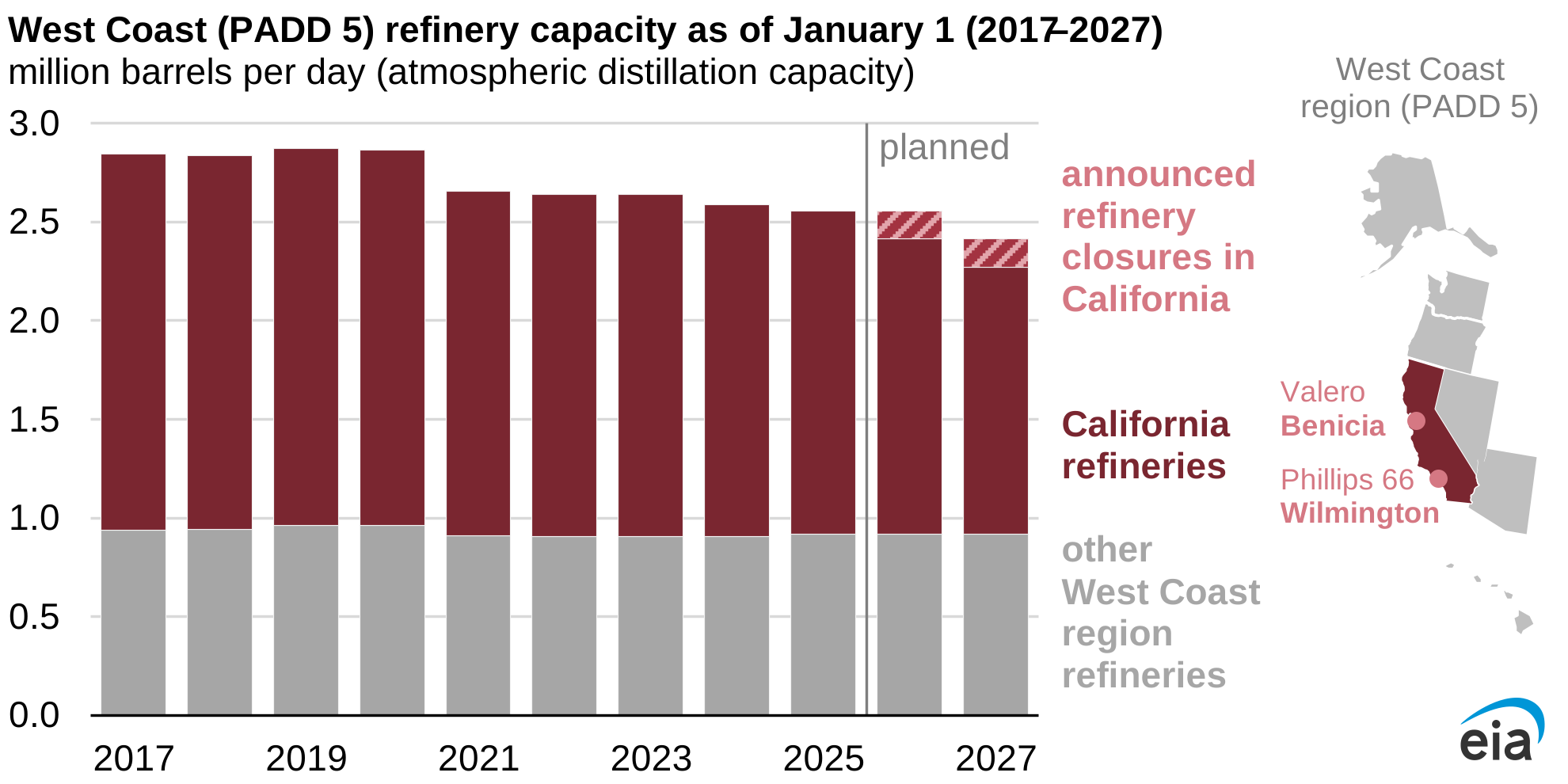
Data source: U.S. Energy Information Administration, Refinery Capacity Report and Petroleum Supply Monthly
Note: Refinery Capacity Report data are reported as of January 1 of each year, so changes in capacity that take place during a given year are represented in the newly reported total capacity number for the start of the following year.
California is set to lose 17% of its oil refinery capacity over the next 12 months because of two planned refinery closures. If realized, the closure of the facilities is likely to contribute to increases in fuel price volatility on the West Coast.
In-brief analysis
Jul 7, 2025
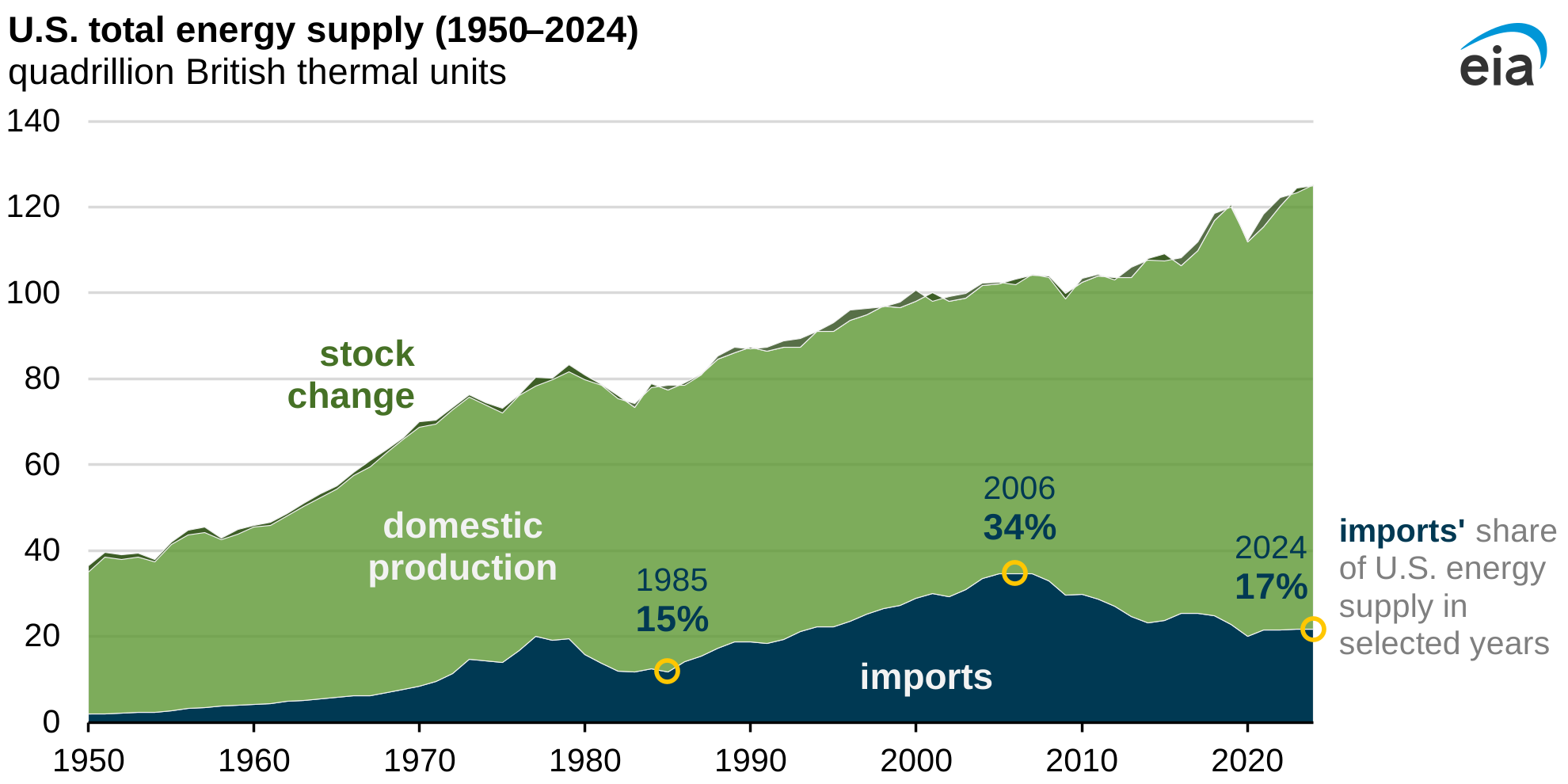
In 2024, the United States imported about 17% of its domestic energy supply, half of the record share set in 2006 and the lowest share since 1985, according to our Monthly Energy Review. The decline in imports’ share of supply in the previous two decades is attributable to both an increase in domestic energy production and a decrease in energy imports since 2006.
In-brief analysis
Jul 2, 2025

In 2024, the United States consumed about 94 quadrillion British thermal units (quads) of energy, a 1% increase from 2023, according to our Monthly Energy Review. Fossil fuels—petroleum, natural gas, and coal—accounted for 82% of total U.S. energy consumption in 2024. Nonfossil fuel energy—from renewables and nuclear energy—accounted for the other 18%. Petroleum remained the most-consumed fuel in the United States, as it has been for the past 75 years, and nuclear energy consumption exceeded coal consumption for the first time ever.
In-brief analysis
Jun 30, 2025
Data source: U.S. Energy Information Administration, Refinery Capacity Report
Note: Data reflect refinery capacity as of January 1 of the indicated year.
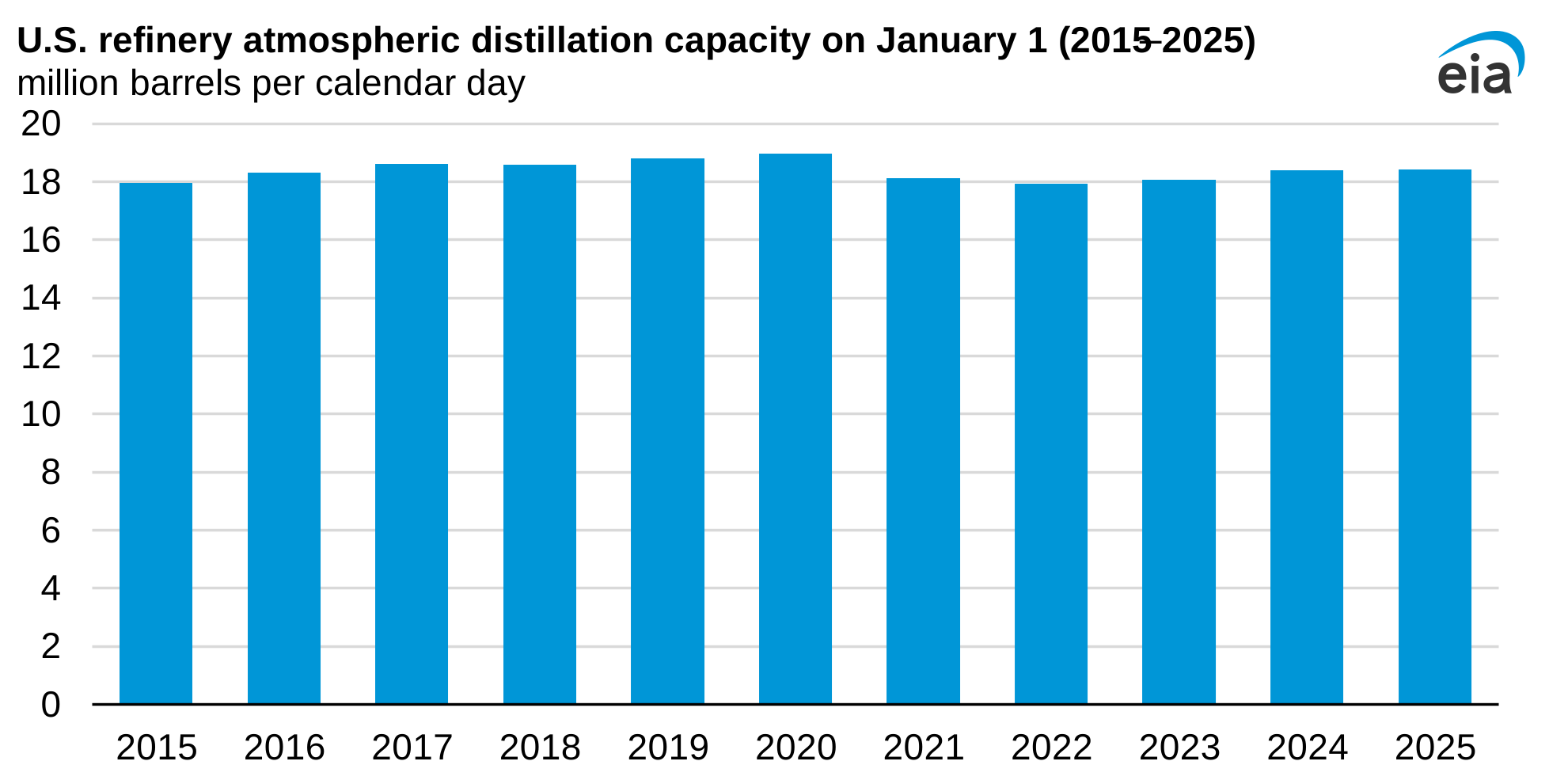
According to our latest annual Refinery Capacity Report, U.S. operable atmospheric distillation capacity, the primary measure of refinery capacity, totaled 18.4 million barrels per calendar day (b/cd) on January 1, 2025—essentially flat compared with last year.
In-brief analysis
Jun 27, 2025
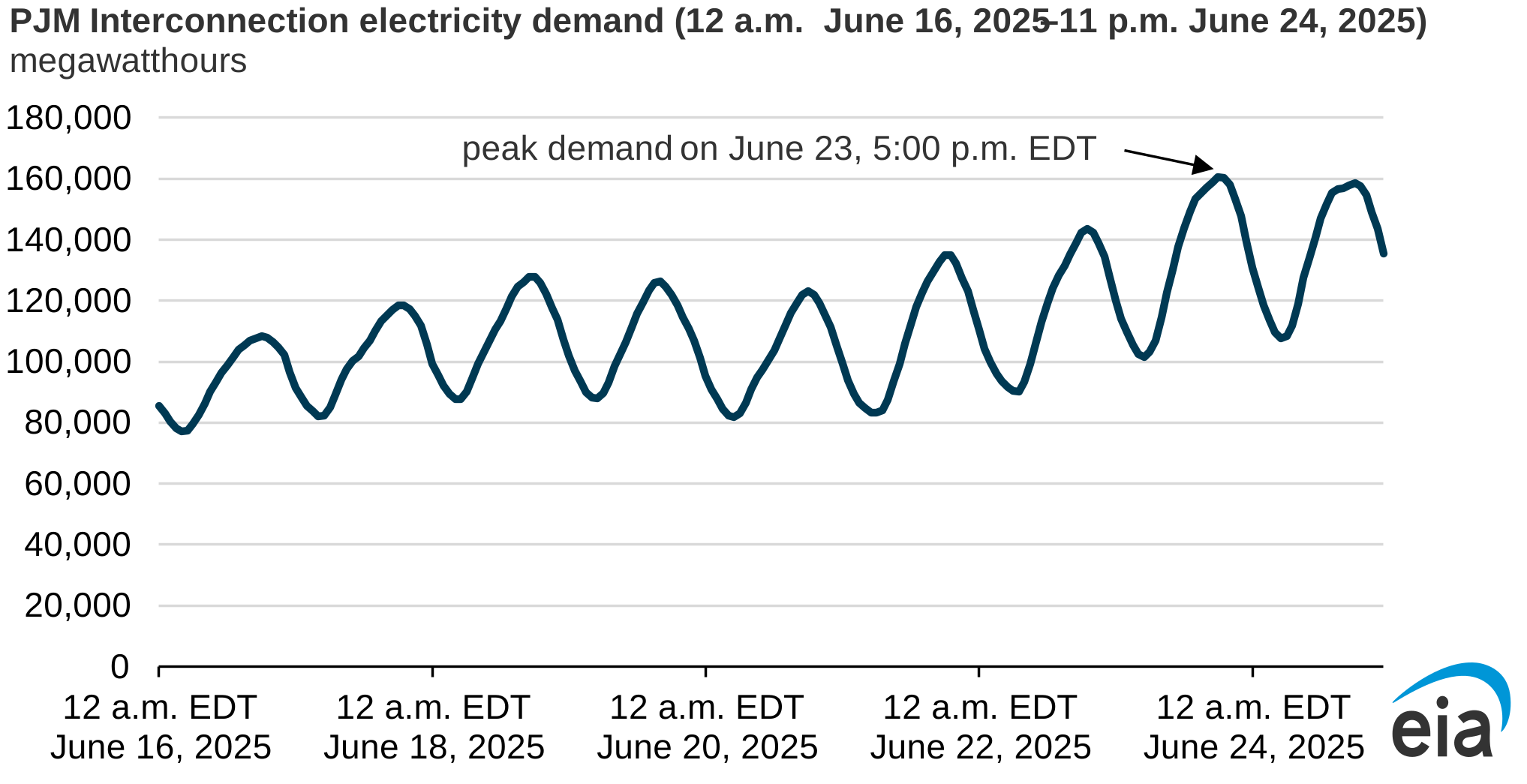
Electricity demand in the PJM Interconnection and ISO New England (two regional grid operators covering the Northeast United States) reached multiyear highs on June 23 and June 24, respectively. Electricity demand increased significantly due to a heat wave that affected most of the Eastern United States this week.
In-brief analysis
Jun 25, 2025
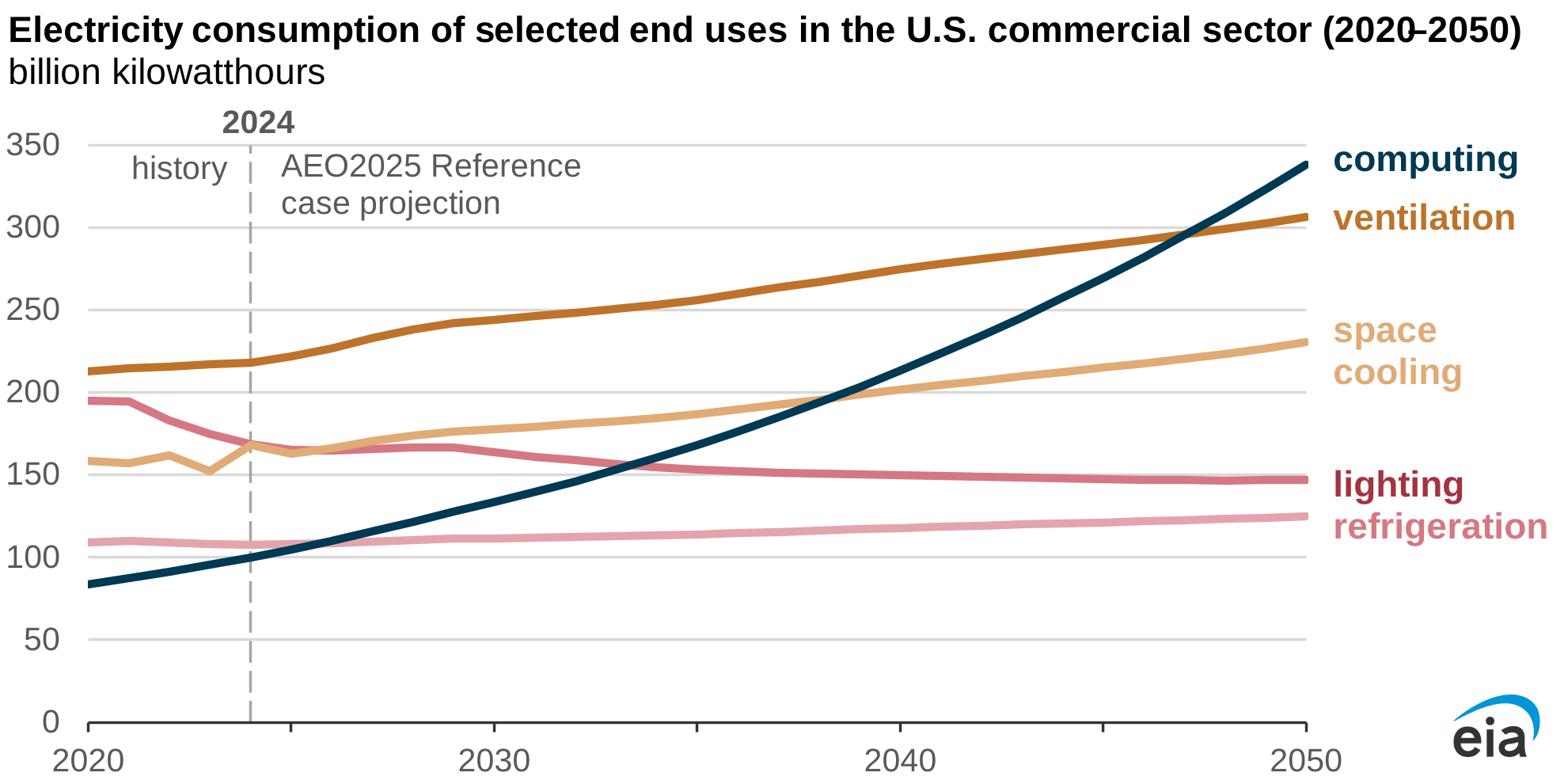
In our Annual Energy Outlook 2025 (AEO2025) Reference case, we project the electricity consumed for commercial computing will increase faster than any other end use in buildings. Computing accounted for an estimated 8% of commercial sector electricity consumption in 2024 and grows to 20% by 2050. Ultimately, more electricity could be consumed by computing than for any other end use in the commercial sector, including lighting, space cooling, and ventilation.
In-brief analysis
Jun 24, 2025

Data source: U.S. Energy Information Administration, World Bank, and Global Energy Monitor, Global Gas Infrastructure Tracker
Note: LNG=liquefied natural gas, FSRU=floating storage regasification unit
In 2024, about 20% of global liquefied natural gas (LNG) trade transited the Strait of Hormuz, primarily from Qatar. The strait is a critical route for oil and petroleum products as well.
Qatar exported about 9.3 billion cubic feet per day (Bcf/d) of LNG through the Strait of Hormuz in 2024, and the United Arab Emirates (UAE) exported about 0.7 Bcf/d, accounting for nearly all LNG flows from the Persian Gulf through Hormuz.
We estimate that 83% of the LNG that moved through the Strait of Hormuz in 2024 went from Persian Gulf countries to Asian markets. China, India, and South Korea were the top destinations for LNG moving through the Strait of Hormuz, accounting for 52% of all Hormuz LNG flows in 2024. In 2024, disruptions to LNG flows through the Bab al-Mandeb Strait, which connects the Red Sea to the Gulf of Aden and Arabian Sea, and more U.S. LNG exports to Europe pushed LNG exports from Qatar away from Europe to Asia.
Kuwait and the UAE imported LNG that originated outside of the Persian Gulf, including from the United States and West Africa. Bahrain began operating an LNG import terminal in April 2025 and also received cargoes that transited Hormuz from outside of the Persian Gulf, including recent cargoes in April and June that originated from the United States.
In-brief analysis
Jun 23, 2025
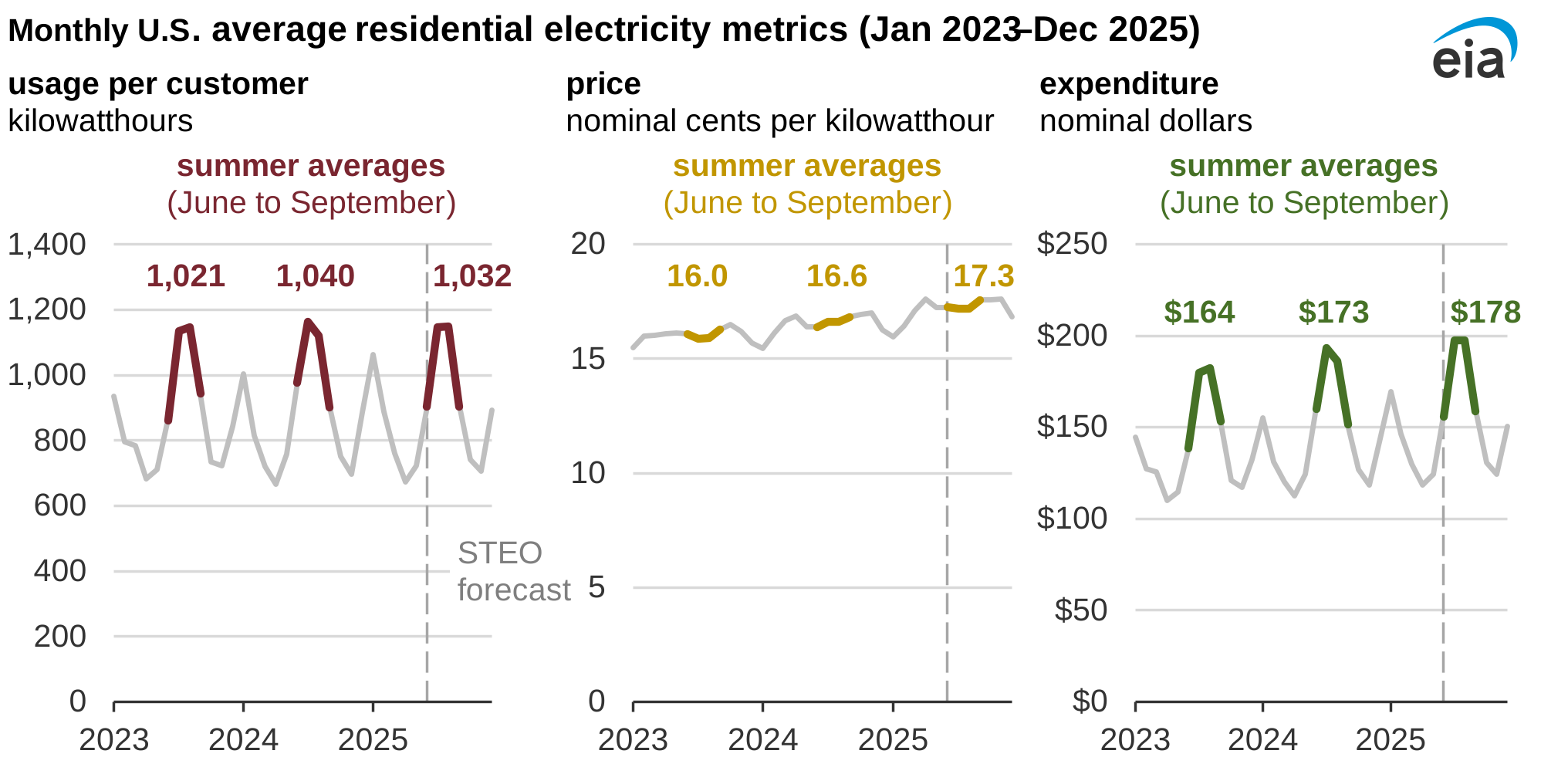
During summer 2025, from June through September, residential customers in the United States can expect average monthly electricity bills of $178, a slight increase from last summer’s average of $173. We expect a slight decrease in consumption, driven by cooler forecast summer temperatures relative to last summer, which only partially offsets the expected increase in residential electricity prices in most areas of the country.