
Taxpayers may fund a facility to import natural gas after Government report finds energy market is unable to manage risk of winter shortages on its own
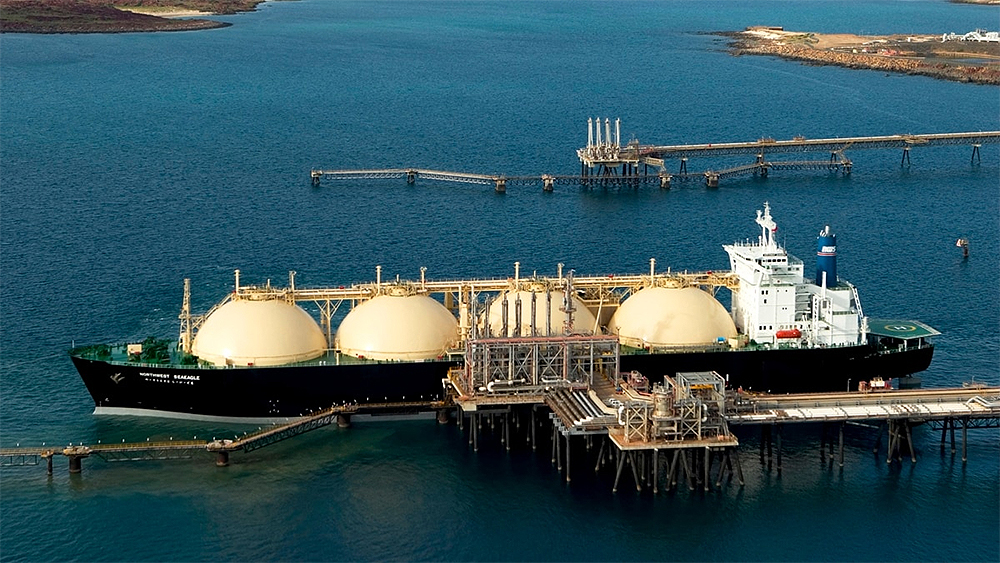
The New Zealand Government will consider paying for an LNG import terminal after efforts to encourage the private sector to develop one failed.
A report into the energy sector written by Frontier Economics found NZ’s high reliance on hydro power creates a risk of supply shortages when rainfall is low, particularly during winter when electricity demand is at its highest.
This “dry year risk” pushes up energy prices and creates economic disruptions that have been driving industry out of New Zealand. The risk gets more pronounced as reliance on renewable energy increases and the market has been unable or unwilling to find a solution.
Frontier Economics blamed this on Government intervention in the market, particularly preventing oil and gas exploration.
“We have identified that this is a problem caused by Government policy driven risk that requires solutions by Government — there is no point waiting for a market response to these Government induced risks. Indeed, the market has demonstrated it is not willing to respond,” it said.
In light of this market failure, Frontier recommended the Crown sell its stake in existing energy generators and establish a new entity responsible for securing and selling thermal fuel and all-weather energy capacity.
The Government has rejected this proposal but agreed with the general diagnosis of the problem which it plans to address by reviving the LNG import terminal proposed a year ago.
Originally, the Energy Minister was expecting the industry to come up with a plan and the money to build and operate the terminal — but that has not happened.
Now the Ministry of Business, Innovation and Employment will begin a procurement process for an LNG import facility with the possibility of the Government paying for it.
More to come…