
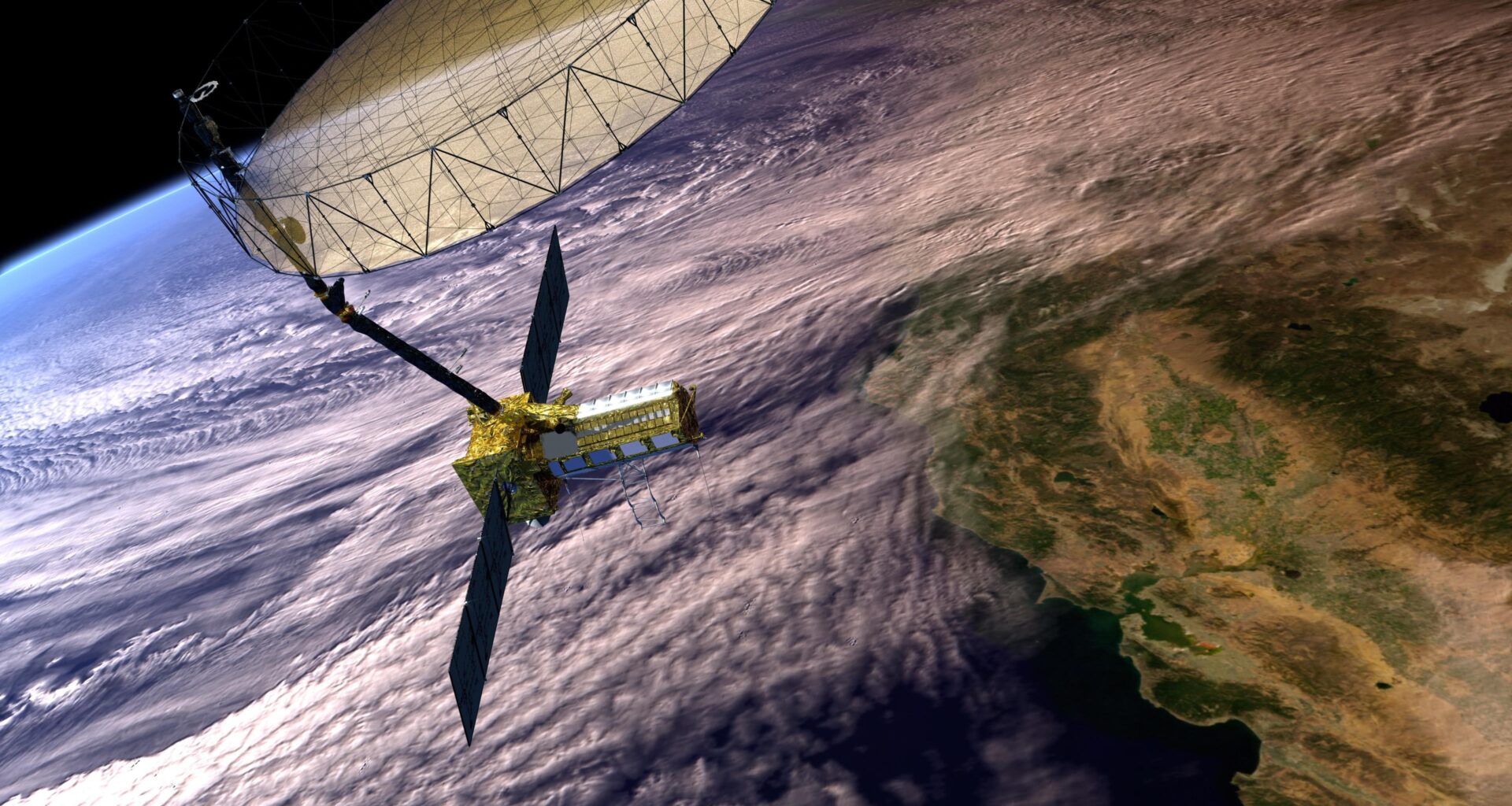
Hailed as a critical part of a pioneering year for United States–India civil space cooperation by President Trump and Prime Minister Modi during their visit in Washington in February, the NISAR launch will advance U.S.–India cooperation and benefit the U.S. in areas such as agriculture and preparation and response to disasters like hurricanes, floods, and volcanic eruptions.
NASA’s mission coverage is as follows (all times Eastern and subject to change based on real-time operations):
Monday, July 28
12 p.m. – Prelaunch teleconference with the following participants:
Karen St. Germain, director of Earth science, NASA HeadquartersGerald Bawden, NISAR program scientist, NASA HeadquartersShanna McClain, Disasters program manager, NASA HeadquartersPhil Barela, NISAR project manager, NASA Jet Propulsion Laboratory (JPL)Marco Lavalle, NISAR deputy project scientist, NASA JPL
The teleconference will stream on JPL’s YouTube Channel.
Questions may be asked via social media with the hashtag #AskNISAR.
Wednesday, July 30
7 a.m. – Launch coverage begins on NASA+ and YouTube.
The launch broadcast begins from NASA’s Jet Propulsion Laboratory in Southern California, where the U.S. portion of the mission is managed.
Follow launch events on NASA’s NISAR blog.
Watch, Engage on Social Media
You can also stay connected by following and tagging these accounts:
X: @NASA, @NASAEarth, @NASAJPL
Facebook: NASA, NASA Earth, NASA JPL
Instagram: @NASA, @NASAEarth, @NASAJPL
Additional Resources
The NISAR press kit features deeper dives into the mission as well as its science and technology.
Explore NISAR videos as well as NISAR animations and b-roll media reel.
The NISAR mission is the first joint satellite mission between NASA and ISRO, marking a new chapter in the growing collaboration between the two space agencies. The launch of NISAR, years in the making, builds on a strong heritage of successful programs, including Chandrayaan-1 and the recent Axiom Mission-4, which saw ISRO and NASA astronauts living and working together aboard the International Space Station for the first time.
Learn more about the mission at: