
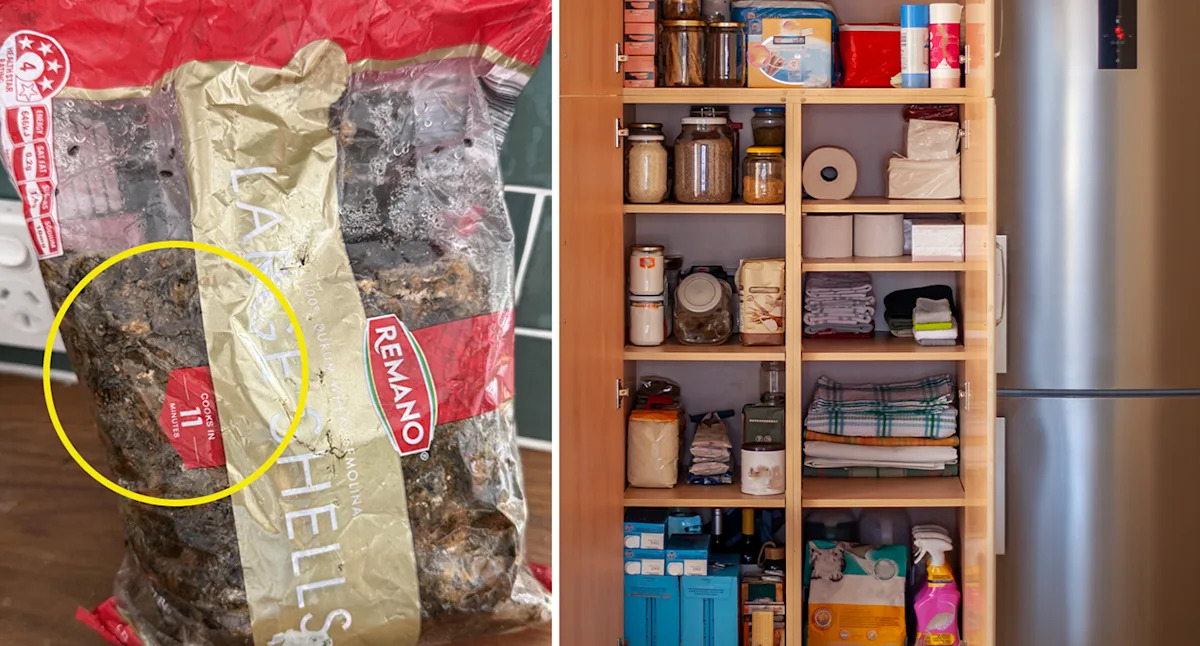
A concerned east coast resident has sought help after opening her pantry to find a putrid infestation in a bag of pasta, which she warned was “the worst” she’d ever seen.
The Queenslander from Brisbane posted online this week, showing a bag of shell pasta totally overwhelmed by weevils. “Help, I can’t deal with weevils. They’re all year round up here,” the mother said.
“Is this normal? I feel like they really like my pasta, and this is the worst I’ve seen when I was cleaning my pantry. Busy mum here, so I must have forgotten all about my large shells.”
The Brisbane resident clarified that, “any open pasta” in her home “goes straight to the fridge” over weevil concerns, and that she didn’t know that even an unopened one “wouldn’t be spared”.
Dozens weighed in and admitted they’d also experienced similar weevil issues at their homes, urging the distressed mum to “freeze everything”.
“But I put new flour bags in the freezer until they are ready to go in the canister,” one person said. “You basically need to clean everything out super regularly. Any sign of eggs or live or dead insects, and it’s time to chuck it out and clean.”
“Place any items in the freezer for 24 hours and then remove and put them in the cupboard. No more weevils,” suggested another. “I remember my first encounter with one, took it outside, not knowing what it was. Then found another. And another. Eventually found the bag of rice they had decimated,” a third recalled. “Everything goes straight into air-tight containers with screw tops now.”
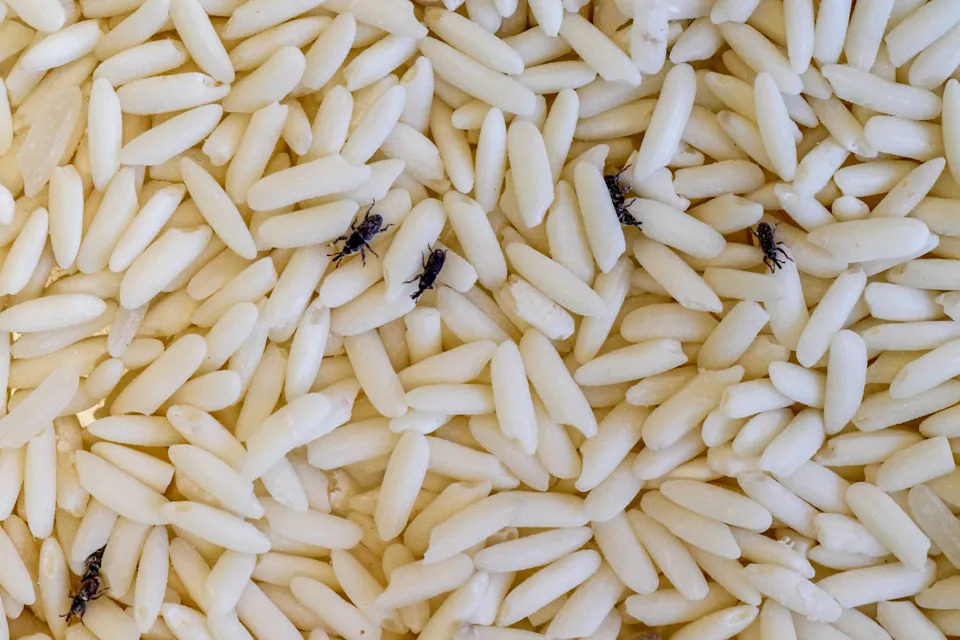
Weevils are one of the most common pantry pests in Australia. Source: Getty
What are weevils, and when are they active?
Julian Bracewell, owner of Pest2Kill, said weevils tend to be more active during warmer months but can be found year-round. “Weather always plays a part with insects — this is the time when they are most active, breeding-wise. But they can survive through the wintertime as well, especially if they have access to food,” he told Yahoo News Australia.
“They’re common in some manufacturing places that store grains, so while you’ll notice them more in the warmer months, they can be present anytime.”
When it comes to prevention, Bracewell said good housekeeping is more effective than relying on pesticides. “Prevention is the best cure. Make sure packages are sealed, don’t leave things open, dispose of rubbish properly and keep surfaces clean,” he said. “I wouldn’t recommend a reactive pesticide approach unless it’s a last resort.”
He added that some people even use bay leaves and cloves inside storage containers as a deterrent.
While the pests are unpleasant, he stressed they don’t pose the same health risks as other household invaders. “They’re not like rats or cockroaches that can spread disease,” Bracewell said. “But it wouldn’t look good in a food manufacturing site or packaging from a supermarket.”
Weevils in stored foods can be removed by combining disposal, cleaning, and temperature treatments. Any infested grain, flour, rice or cereals should be sealed and discarded, while items that may still be salvageable can be frozen for several days to kill eggs, larvae and adults.
After clearing out the pantry, shelves and cupboards should be vacuumed, scrubbed with detergent or vinegar solution, and allowed to dry before restocking.
To prevent reinfestation, health experts say all dry goods should be stored in airtight, rigid containers such as glass, metal or thick plastic, since weevils can chew through cardboard or thin bags. Regular monitoring and the use of pantry pest traps can help detect any new incursions early.
Why do weevils target pasta?
Weevils are one of the most common pantry pests in Australia, notorious for appearing in flour, rice, cereal and especially pasta.
The reason weevils frequently target pasta is because it’s made from durable, nutrient-rich grains like wheat and semolina. Even dried pasta retains enough starch and protein to support the growth of weevil larvae. Unlike fresh produce, dried pasta provides a stable, dry environment that protects eggs and larvae from humidity changes, making it an ideal long-term food source.
Weevils are excellent at finding cracks, openings, or even microscopic gaps in packaging, which allows them to infiltrate seemingly sealed bags. Once inside, they lay eggs directly on the pasta. The eggs hatch into larvae, which feed on the grains before pupating into adult beetles. Because they develop entirely inside the food source, infestations can go unnoticed until adult weevils start emerging.
In Australia, warm household conditions and long storage periods in pantries contribute to the presence of weevils.
Love Australia’s weird and wonderful environment? 🐊🦘😳 Get our new newsletter showcasing the week’s best stories.
