
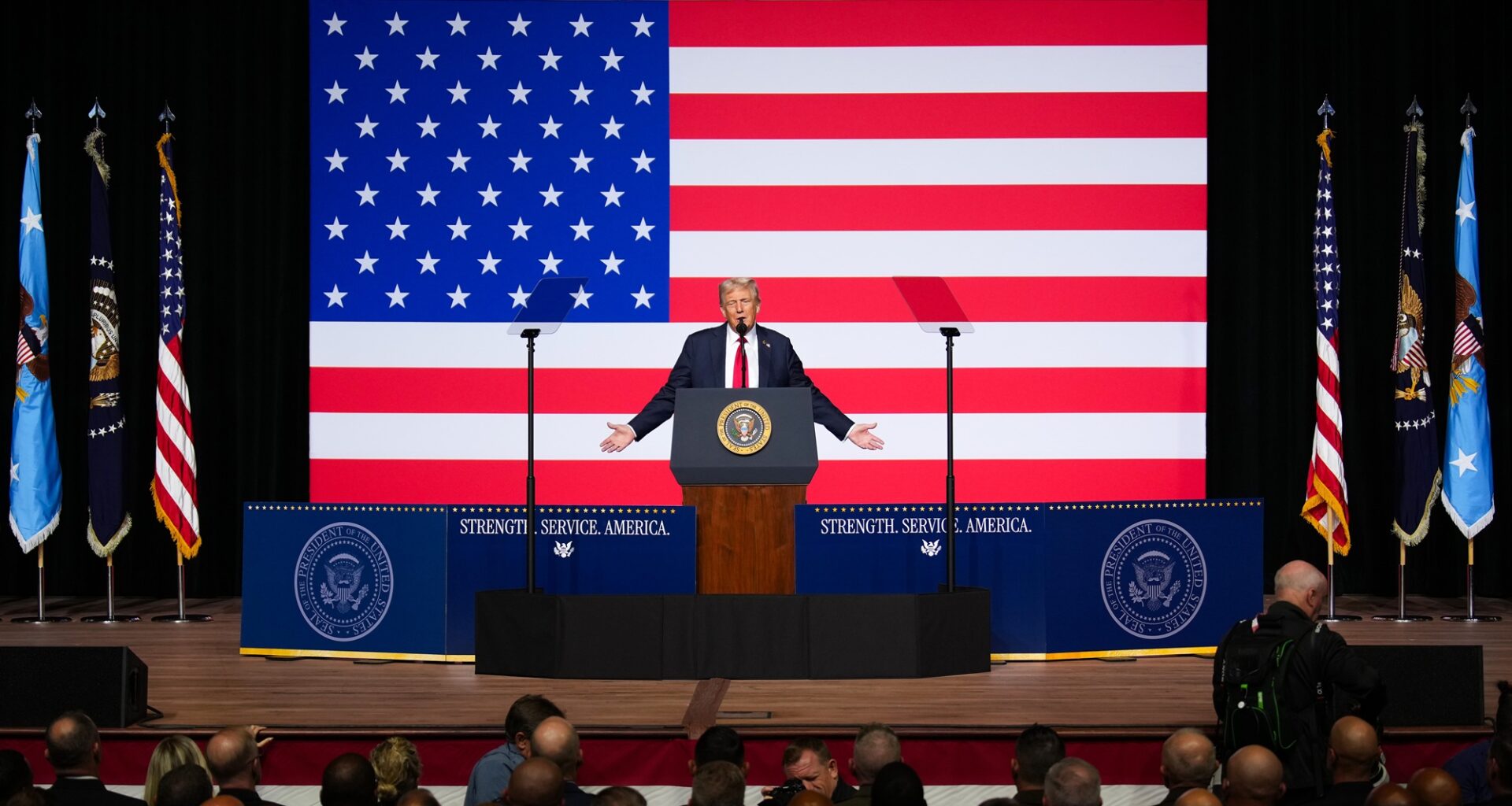
“San Francisco and Chicago, New York, Los Angeles. They’re very unsafe places,” Trump said. “We’re gonna straighten them out one by one.”
An operation is currently underway in Memphis, Tennessee, where 219 officers have been “special deputized,” according to a post on X from Attorney General Pamela Bondi. Nine arrests were made on Monday, she said.
When asked by reporters for a response at a press conference on Tuesday, San Francisco Mayor Daniel Lurie said crime rates are falling and general welfare in the city is rebounding.
“Crime in San Francisco is down 30%, it’s down 40% in our financial district, and we are continuing to drive those numbers down,” Lurie said. “People are feeling better here in San Francisco. And that’s what I can control.”
Lurie has largely avoided uttering Trump’s name and repeatedly said he can only focus on San Francisco, not what happens in Washington, D.C. The mayor’s approach has marked a stark contrast to that of other Democratic leaders, like Newsom, who has staked out a position as a leader of the Trump resistance movement and sought opportunities to spar with the president.
“This speech should terrify anyone who cares about our country. Declaring war on our nation’s cities and using our troops as political pawns is what dictators do,” Newsom posted on X on Tuesday. “This man cares about nothing but his own ego and power.”
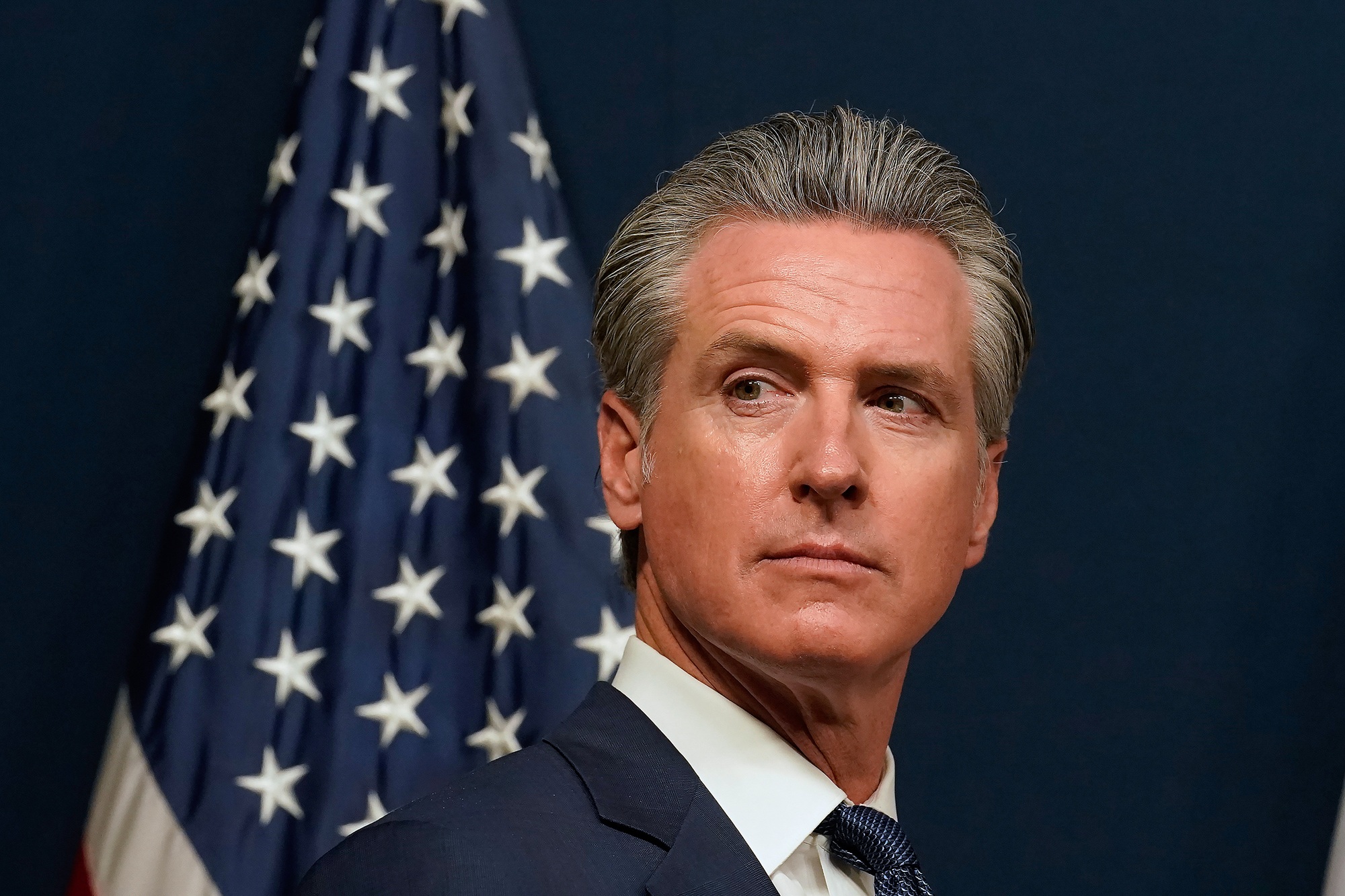 Gov. Gavin Newsom at a press conference to discuss the measures to redraw the state’s Congressional districts and put new maps before voters in a special election, in Sacramento, California, on Aug. 21, 2025. (Rich Pedroncelli/AP Photo)
Trump, known for his off-the-cuff remarks, has previously made threats that don’t transpire and his comments on Tuesday were met with lackluster applause from military leaders. But arrests by ICE outside San Francisco’s immigration court have increased this year already and his comments on Tuesday appear to mark an escalation in his fight against Democrats.
Immigration advocates across the state said the president’s words amplify fear in communities and should be taken seriously.
“Far from making our neighborhoods safer, the militarization of our streets brought fear, violence and separation of families,” said Masih Fouladi, executive director of the California Immigration Policy Center.
Fouladi pointed to events such as the National Guard rolling military vehicles through MacArthur Park in Los Angeles in July in a dramatic show of force.
“The deployment led to the detention and deportation of permanent residents … including family members of military veterans. This is not public safety. It is state-sponsored violence and harm.”
Several local leaders in Los Angeles, including Mayor Karen Bass, fired back at the president at the time, saying local police were capable of keeping peace in protests and that federal law enforcement was overreaching and stirring fear.
“Localities and the state should not take this passively,” Fouladi said. “They should be thinking proactively about how to prepare so that if what happened in L.A. happens in our region, that we protect those who are going to be most vulnerable.”