
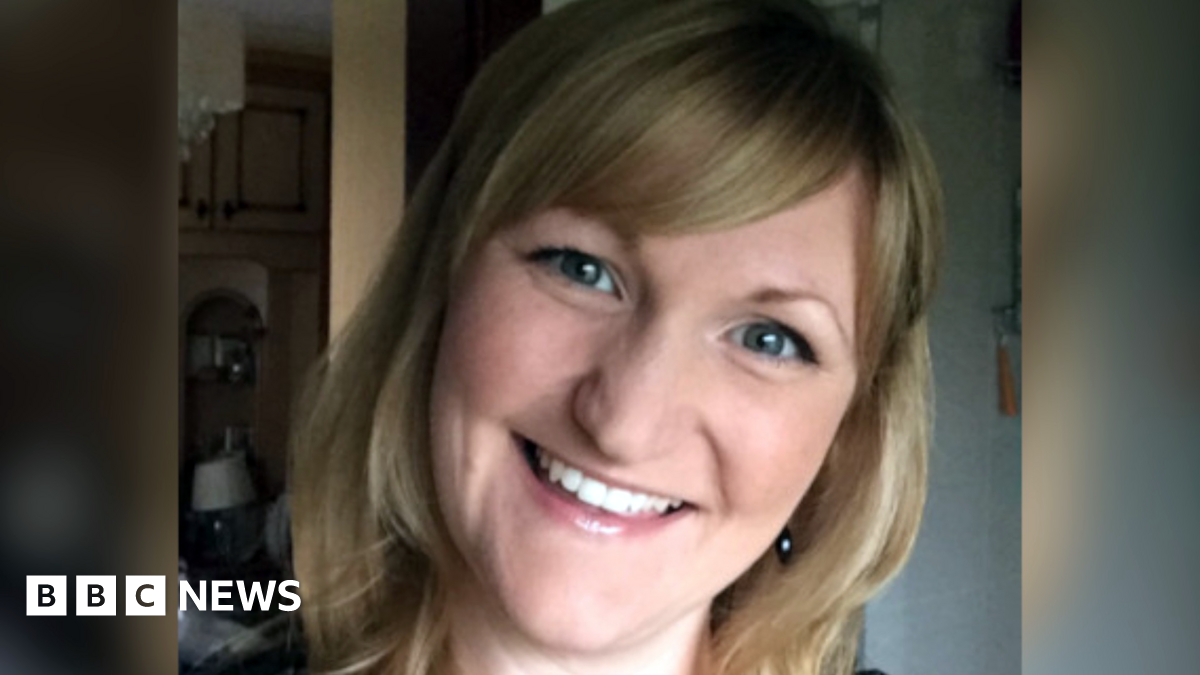
Months later, an inquest was held into his death, but the coroner did not know that an internal investigation into Ms Booth was under way at the same time.
She gave evidence and told the coroner that she had done “the best I could”. The coroner went on to conclude that Mr Philip’s death was due to “an unusual and complex set of circumstances [which] conspired together,” and that Ms Booth “had an excellent CV”.
It would take over a year and a half for the hospital to let Mr Philip’s family know that the outcome could have been different, had a surgeon with the correct specialism been alongside Ms Booth in the operating theatre.
The Freeman did not respond to questions about how Ms Booth had come to be granted permission to use the Ozaki procedure, which she had used about 40 times in total. Internal analysis published by the hospital found that “there was no clear governance process for maintaining oversight of newly approved procedures”.
In late 2022, Mr Philip’s family were brought into the hospital and told they were one of eight families being contacted over failures by Ms Booth – seven in relation to patients that died, and one surviving patient who had experienced significant harm.
“The scale of what had gone on – we would never even begin to fathom what had happened,” Mr Philip’s son, Liam, told the BBC.
“We couldn’t process it at the time. We walked out of there bewildered.”