
Show summary Hide summary
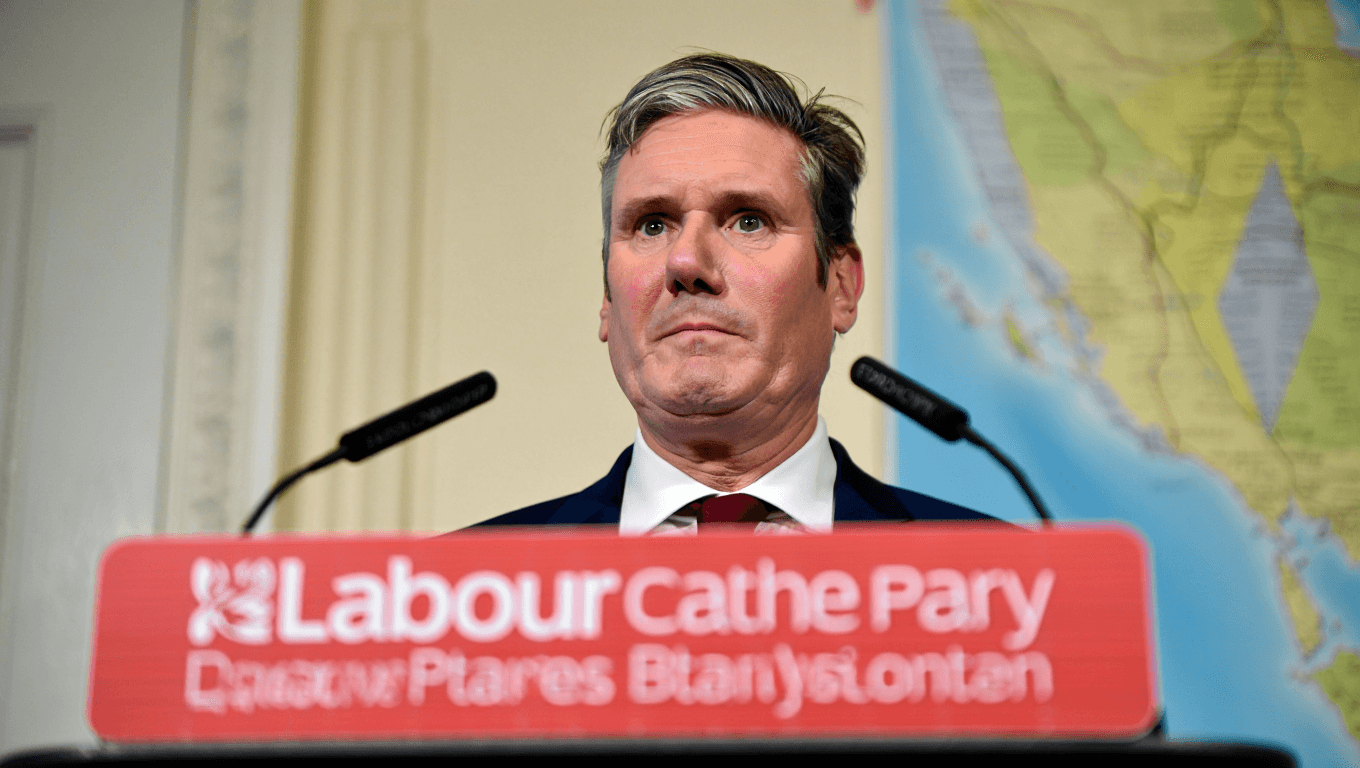
Keir Starmer’s announcement that the United Kingdom will recognize a Palestinian state landed with fanfare in some quarters and outrage in others. For many, it reads like a moral stand; for others, a gesture that misunderstands both history and the practical realities on the ground. Whatever one’s view, the move raises big questions about what recognition by a distant capital actually changes.
At the heart of the debate is a deeper argument about Britain’s role in the Middle East. Does a foreign government’s declaration create sovereign institutions and end conflict, or does it risk repeating centuries-old mistakes of external interference? The answers rest on history, diplomacy, and the hard work of state-building that declarations alone rarely achieve.
Why a declaration from London won’t automatically create a Palestinian state
Legal recognition is not the same as effective sovereignty. States emerge through functioning institutions, internationally accepted borders, and the ability to govern territory and protect citizens. A political statement from Westminster can change diplomatic postures, but it cannot manufacture the institutions and agreements that make a state real.
Recognition does not provide a functioning government across the West Bank and Gaza.
It does not create unified leadership or resolve disputes over borders, security arrangements, water, or Jerusalem.
It does not end violence or incentivize the institution-building that underpins long-term stability.
Symbolic acts may shift headlines, but they do not replace the patient work of negotiation, institution building, and compromise.
Historical lessons: borders drawn from afar left a volatile legacy
The Middle East’s modern map bears the fingerprints of 20th-century imperial decisions. Treaties and declarations drawn up in European capitals reshaped societies without adequately accounting for ethnic, religious, and tribal realities on the ground.
Key examples of outside intervention
Sykes-Picot and the post-Ottoman carve-up, which established new mandates and borders in ways that left little regard for local identities.
The Balfour Declaration and the mandate period, where conflicting commitments to different communities created long-term tensions.
Partitioning that left the Kurds split across several modern states, contributing to decades of statelessness and unrest.
These historic actions show the limits of drawing lines on maps from thousands of miles away. When external powers assume they can impose durable political solutions, the result is often fragmentation, resentment, and recurring conflict.
Recognition as a political gesture: motives and consequences
Political leaders often use symbolic steps to signal values or to respond to domestic pressures. Yet these moves can carry unintended consequences abroad.
Domestically, recognition can satisfy activists and voters who want to see moral clarity.
Internationally, it can be read as taking sides in a complex and combustible dispute.
It may incentivize maximalist positions rather than compromise by rewarding unilateralism over negotiation.
When symbolism outpaces strategy, policy can backfire—rewarding rhetoric instead of building the resilient institutions needed for peace.
Leadership on the Palestinian side: what does recognition actually acknowledge?
States are typically recognized because they display governing capacity and a willingness to enter the international system. Questions remain about which Palestinian actors could fulfill those expectations and how recognition affects internal dynamics.
The Palestinian Liberation Organization and other factions have complex records on compromise and recognition of Israel.
Governing responsibilities are split between the West Bank and Gaza, complicating any single definition of statehood.
Recognition that does not accompany a clear path to unified governance risks empowering factions that oppose compromise.
Declaring a statehood aspiration legitimate does not ensure the presence of institutions or a leadership committed to coexistence and practical arrangements.
Hypocrisy and politics at home: who bears the real burden?
There is a political theatre to many foreign policy decisions. Supporters cast them as moral necessity; critics call them performative. The recent recognition debate highlights tensions in public discourse, where similar tactics are condemned or celebrated depending on who uses them.
Some of the loudest campaigners against Israel now endorse a form of interventionism when it aligns with their aims. That contradiction is politically potent: it allows symbolic acts to be framed as justice while sidestepping the messy compromises that peace requires.
Domestic political calculations often trump strategic thinking about outcomes on the ground.
Security, ideology, and the nature of the conflict
Understanding the conflict’s drivers is essential for any policy that aims to change its trajectory. For many analysts, the dispute mixes territorial claims, national identities, religious narratives, and extremist ideologies in a way that simple legal recognition cannot disentangle.
Elements of the conflict are rooted in nationalist aspirations and competing historical narratives.
Religious rhetoric and militant ideologies shape goals and methods for some actors, making compromise more difficult.
Addressing security concerns—especially mutual fears and extremist violence—remains central to any sustainable settlement.
Policymakers who want durable change must wrestle with these realities rather than rely on declarations as a cure-all.
What meaningful engagement would look like
To move beyond symbolism, international actors would need to focus on long-term capacity building and practical steps that lower incentives for violence and raise the prospects for durable governance.
Support for institutions that provide security, justice, and basic services.
International mediation that prioritizes enforceable agreements on borders, refugees, and security guarantees.
Incentives for political leadership on all sides to accept compromise and to make the hard choices that peace requires.
Recognition without a credible road map risks becoming an exercise in moral theater rather than a foundation for peace.
You might also like:

Robert Johnson is a dedicated columnist focusing on political and social debates. With twelve years in editorial writing, he provides nuanced, well‑argued perspectives. His commentaries invite you to form your own views and engage in critical issues.
Give your feedback
★★★★★
Be the first to rate this post
or leave a detailed review