
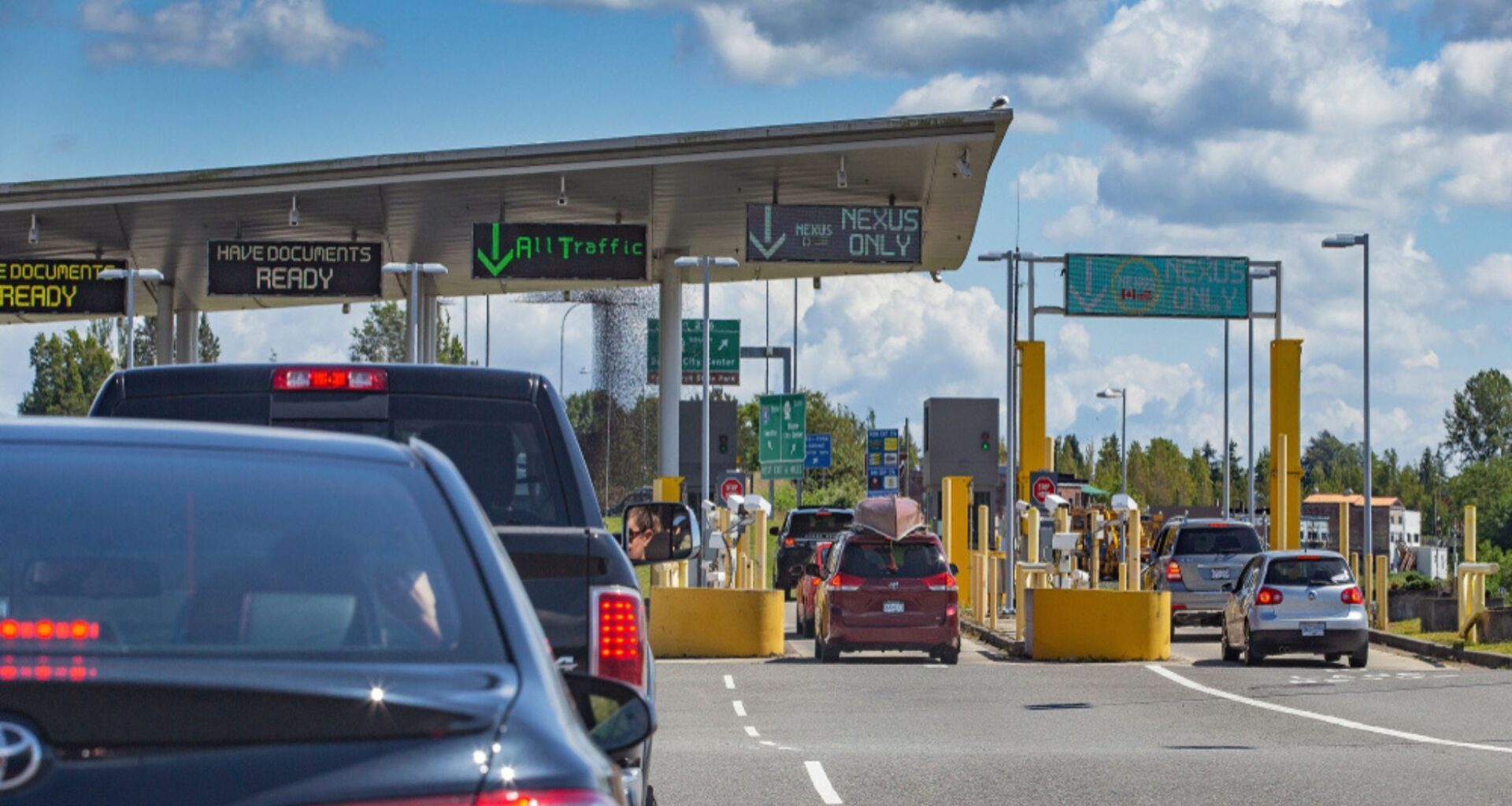
People in Canada who have trips to the U.S. scheduled may want to check the travel advisory from the federal government.
Canada’s latest advisory update may impact visa holders and 2SLGBTQ+ individuals planning to travel to the U.S. in the near future.
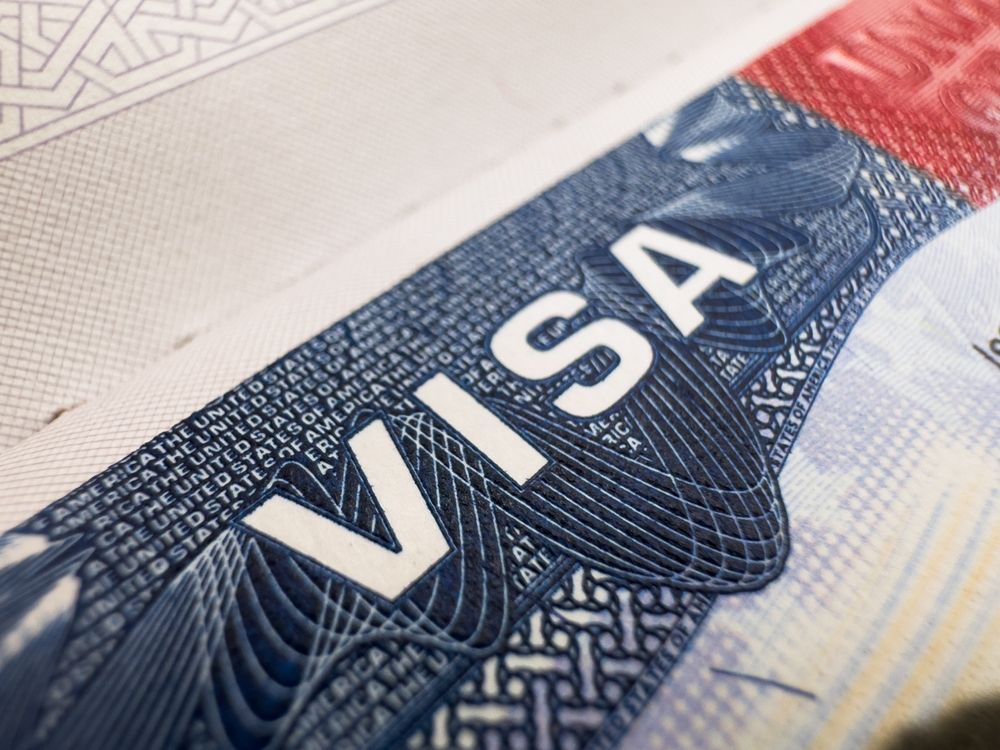
Under the visa section of the notice, the Government of Canada explains that while Canadian visitors can usually stay in the U.S. for six months without a visa, there are some exceptions.
Vardanyan Karen/Shutterstock
It warns those who need a visa about the heightened scrutiny they may face when they arrive at the U.S. border.
“If you do need a visa, be aware that U.S. authorities may periodically review already-issued visas,” reads the travel advisory.
According to the notice, visas can be terminated for a variety of reasons, including a violation of admission terms and reassessment of eligibility, such as due to previous criminal convictions.
It also warns Canadians who are U.S. permanent residents about the possibility of their status being terminated for certain reasons, including living outside the U.S. for longer than permitted and reassessment of eligibility.
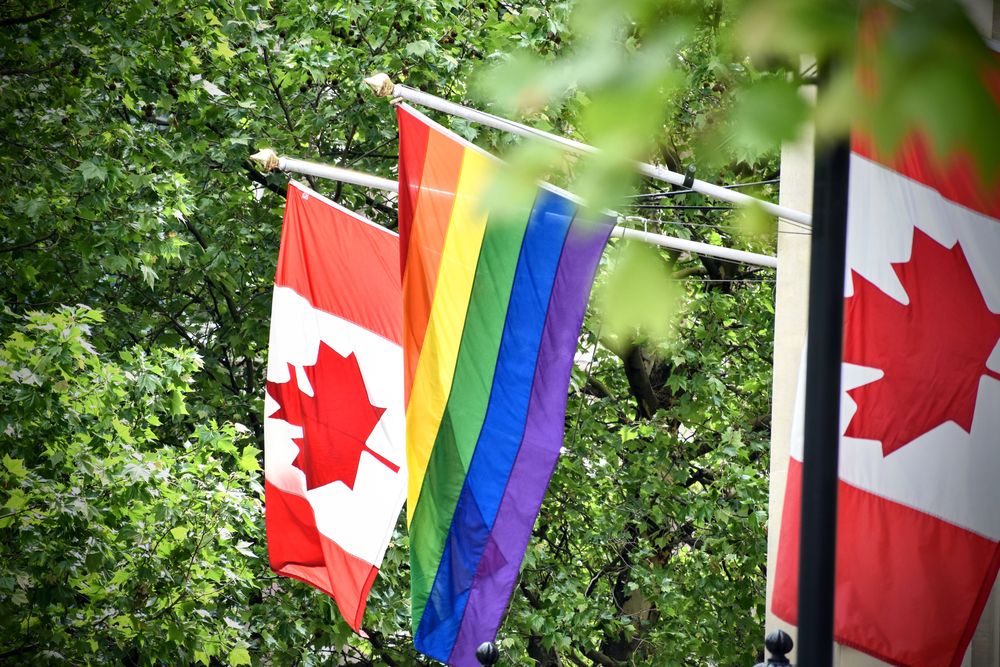
Additionally, the travel advisory expands its guidance for the 2SLGBTQ+ community.
Lizroi/Shutterstock
“Federal systems in the U.S. are changing to no longer accept markers of gender identity,” it reads.
This is a result of President Donald Trump’s executive order in January, which mandated that the U.S. would only recognize two sexes, “male” and “female,” on government documents such as visas and passports.
The Canadian government warns 2SLGBTQ+ individuals that sex assigned at birth may now be requested by federal forms and processes, including visa applications, Nexus applications, passenger manifests, passport applications, and Social Security applications.
The last major update to the U.S. travel advisory was in April, when the Canadian government added a serious warning about entry and exit requirements.
It stressed that individual U.S. border agents have “significant discretion” in determining if you meet entry or exit requirements and says Canadians should expect scrutiny at ports of entry, which could include searching electronic devices.