
An Alberta city that once claimed to end chronic homelessness is now trying to find somewhere its vulnerable population can access daytime services as the winter months approach.
An effort led by the City of Medicine Hat to approve a new, all-in-one community centre for The Mustard Seed organization was all but halted until after October’s civic election.
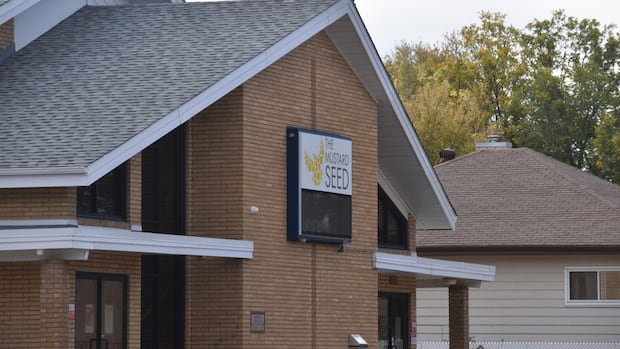
While its emergency overnight shelter remains in operation, the non-profit’s central community hub where it offered the rest of its services was shuttered by the city earlier this year after resident complaints.
Brent Trask, The Mustard Seed’s chief impact officer, says that will leave the more than 100 people who used the non-profit daily without somewhere to go during daylight hours.
“We know in the winter that people are going to freeze to death,” Trask said.
“And caring for the vulnerable, I think we need to act quickly.”
The Alberta-based charity’s Community Impact Centre in Medicine Hat offered free meals, clothes, an address for essential mail, career support and, crucially, somewhere to go indoors out of the elements.
Ashley Kirk Dexter said The Mustard Seed in Medicine Hat connected him with a local housing society and helped him claim Indigenous status.
“All those people with the impact centre were very good, they really did help,” Dexter said.
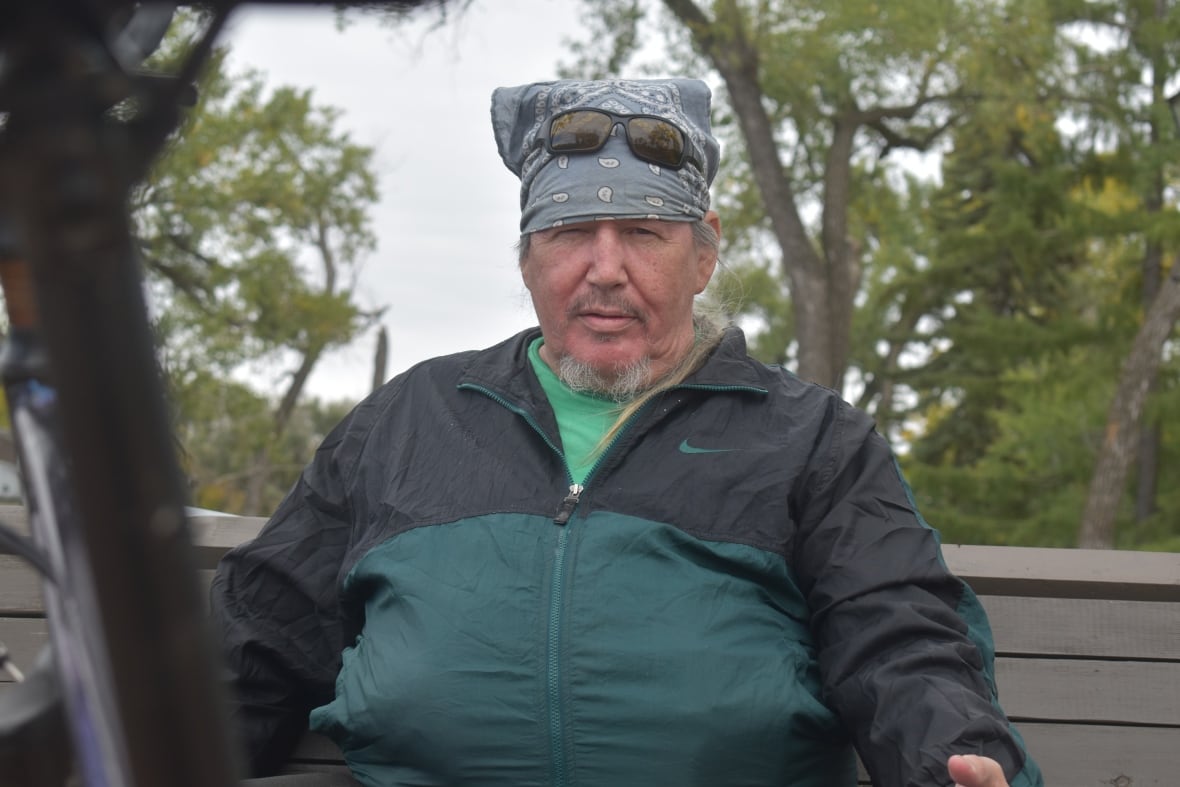 Ashley Kirk Dexter says The Mustard Seed helped connect him with the Medicine Hat Community Housing Society, which helped him find an apartment. (Eli Ridder/CBC)
He said it was also a place where people could build a support network of people facing similar challenges.
“It is a good place to go to, because you do meet some people,” said Dexter, adding that he made friends and learned from other people’s experiences.
Now, Dexter said he worries for those he knows who have nowhere to go during the day as temperatures drop.
An election disruption
The Mustard Seed first came to Medicine Hat in April 2021 to operate the Community Impact Centre in a residential neighbourhood known as the North Flats.
In 2022, it took over a 30-bed emergency shelter previously run by the Salvation Army a few blocks away. That shelter continues to operate but it’s unable to provide the services previously offered by the main centre.
The centre was shuttered earlier this year after the city’s planning authority denied a permit application that would have both legitimized its operations and expanded its use to allow more overnight beds — as requested by the Alberta government.
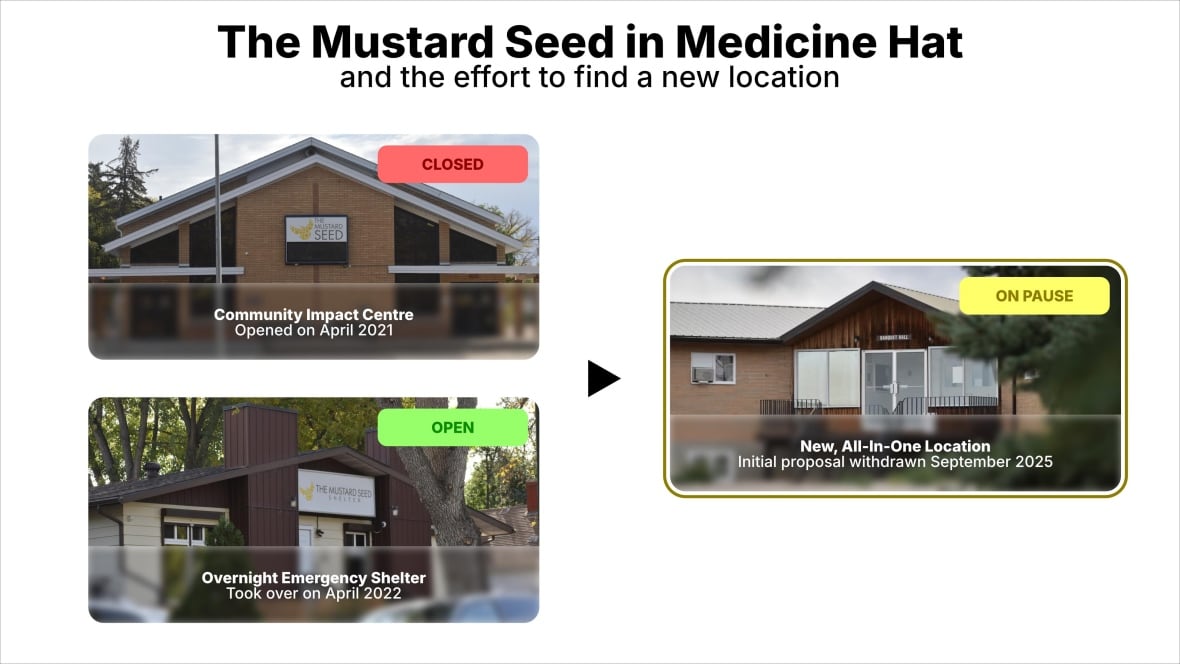 An effort to find a new, all-in-one location for The Mustard Seed’s services in Medicine Hat has been ongoing since 2024 and includes the non-profit, the Medicine Hat Community Housing Society, the Alberta government and the City of Medicine Hat. (Eli Ridder graphic/CBC)
The Municipal Planning Commission’s unanimous “no” vote came amid backlash from residents who lived near the centre, despite efforts underway since August 2024 to find a new site to unify the community hub and shelter in one facility.
There was a glimmer of hope in the search when, in late August, officials proposed an old labour hall on the city’s outskirts as the future home of The Mustard Seed.
Then, concerns rolled in from nearby property owners.
The Southeast Alberta Chamber of Commerce asked the city to “engage in broader consultation with affected businesses and community groups” and “explore alternative locations” that better align with the city’s layout.
The chamber’s executive director Lisa Dressler said Medicine Hat needs to balance economic viability with safety and long-term planning, while also taking care of its most vulnerable.
The reaction from nearby property owners caught some on city council by surprise.
“Shelter service placement is always contentious in a community, but given the location I don’t think anyone was prepared for the amount of feedback we received,” said Coun. Alison Van Dyke.
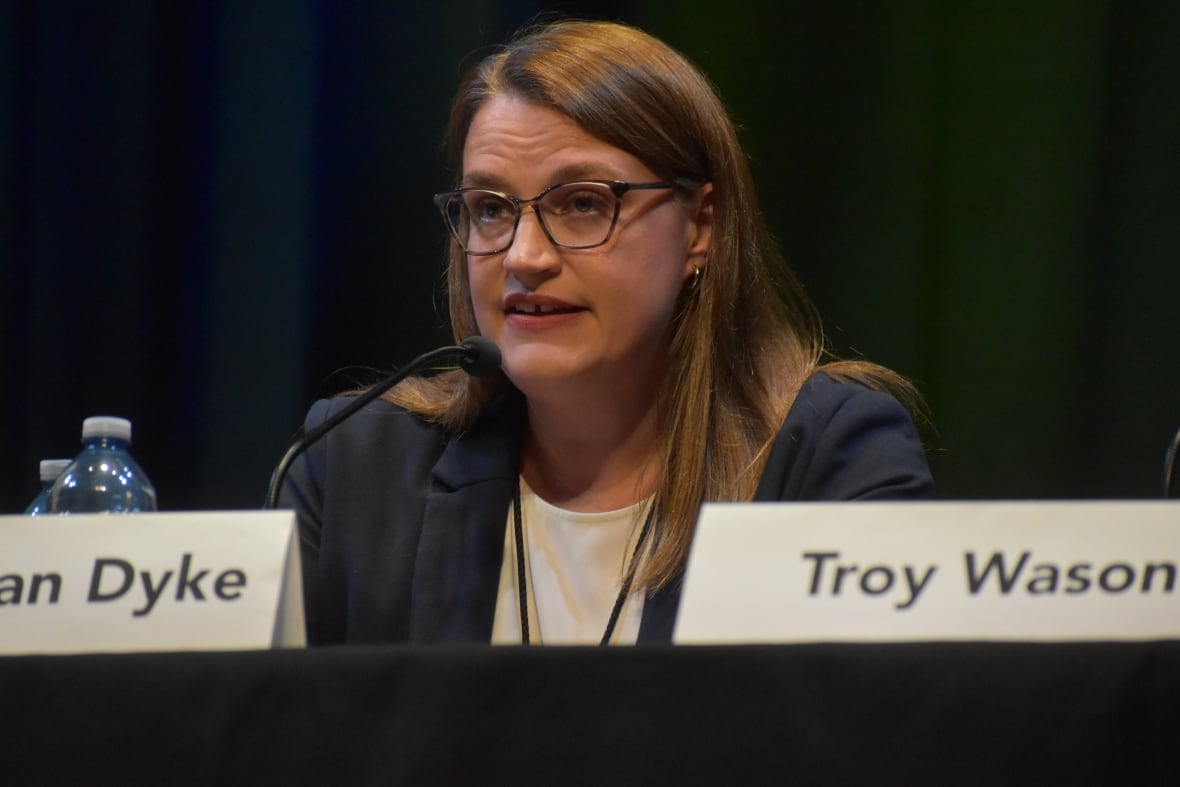 Coun. Alison Van Dyke says she was surprised by the amount of feedback to the proposed all-in-one Mustard Seed location. (Eli Ridder/CBC)
“We realized we probably needed additional time to hear from the community and discuss it with the community and the service provider.”
But with an election scheduled for Oct. 20, there wasn’t enough time to get through consultations and a public hearing, and if council voted down the necessary rezoning approval, the organization couldn’t try again for another six months.
“So, in discussion with The Mustard Seed, they decided to pull the application so that we don’t risk compromising the process and the entire project,” said Van Dyke.
After the proposed property was withdrawn on Sept. 26, the city vowed to keep working with all parties to explore location options.
The most recent point-in-time counts carried out by the Medicine Hat Community Housing Society revealed there were 120 people experiencing homelessness in 2022, and 104 in 2024.
In June 2021, fewer than three people were considered chronically homeless for at least three consecutive months in Medicine Hat — enough for the city to become the first in Canada declare an end to homelessness.
That status was lost five months later.
‘Solutions, not complaints’
The Mustard Seed’s attention is now divided in two.
It will continue working with Medicine Hat city staff to find a permanent site for its combined services, while also hunting for a temporary solution ahead of the winter season.
“We’re looking for immediate solutions,” said Trask, adding, “it’d be in the best interests of (the) city and citizens that we separate those two and let them run in parallel.”
Watch | Medicine Hat ended chronic homelessness, then the problem returned:
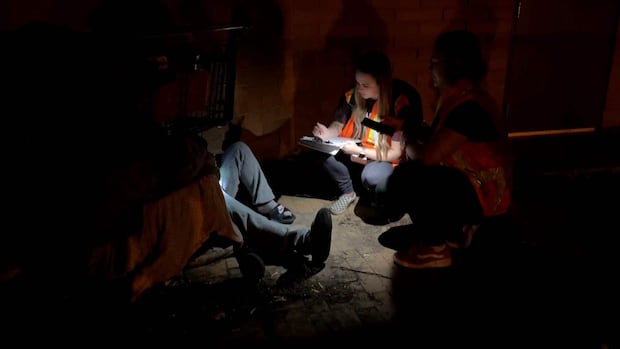
Medicine Hat, Alta. declared an end to chronic homelessness last year. However the problem returned, only worse.
Last year, this southeastern Alberta city of 63,000 said it ended homelessness in a declaration that drew national attention. However, that status lasted just five months.
He pointed to an online city portal where residents can submit ideas for locations.
Jamie Rogers, homeless and housing development manager at the Medicine Hat Community Housing Society, said she hopes the community helps rather than hinders the process.
“I would challenge them to come with solutions, not complaints,” said Rogers.
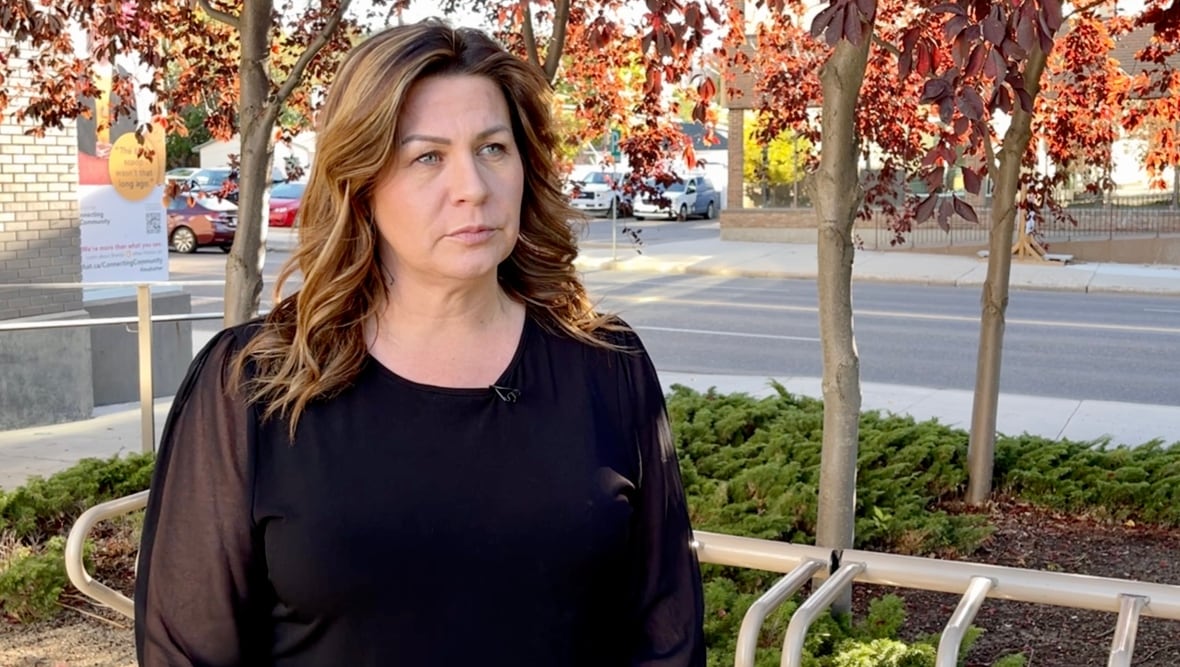 Jaime Rogers is the homeless and housing development manager at the Medicine Hat Community Housing Society. (Bryan Labby/CBC)
“If they’re so wanting to see individuals and community thrive, then they need to be at the table and show up when they’re invited,” she added.
“People saying that [they] haven’t been part of the discussion is simply by choice at this point.”