

There was nothing unusual about what Tobias Janowitz witnessed when his mum entered the last stages of cancer.
“She was getting increasingly less interested in things: in reading her favourite books, listening to her music, watching a television programme,” he says. And, in particular, she went off her food. Eventually, “She said, ‘My body is used up, and I have no will left to live’.”
What was unusual was that Janowitz, a biochemist at Cold Spring Harbour Laboratory in the US, didn’t view this wasting away as an inevitable consequence of the disease. Instead, he was already researching ways in which this apathy could be treated — to improve people’s quality of life, and also help them live longer.
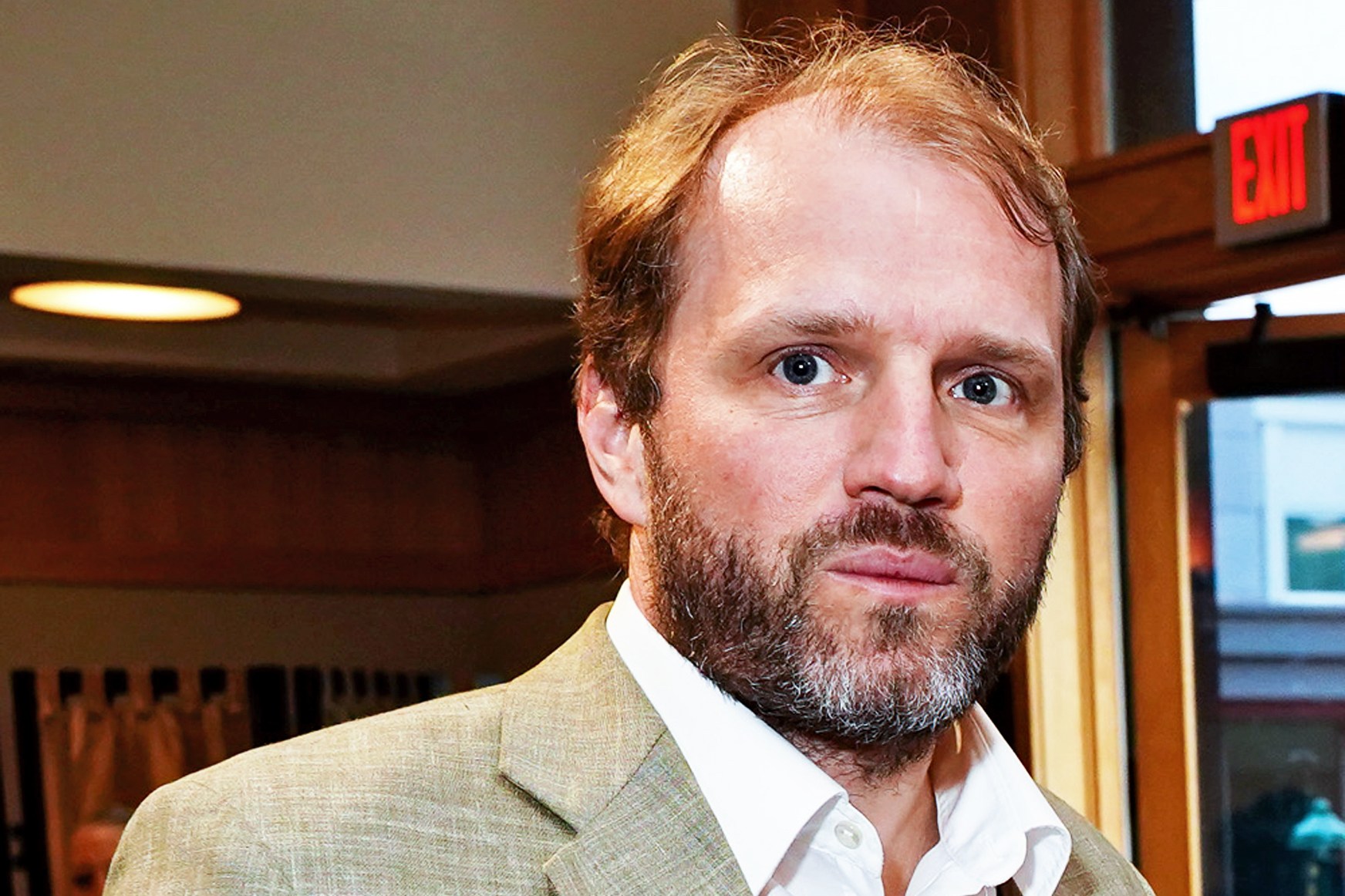
Tobias Janowitz
SEAN ZANNI/PATRICK MCMULLAN/GETTY IMAGES
While drugs such as Ozempic can suppress appetite, Janowitz is part of a research project looking at the biological pathways that can boost appetite — for food and for life. “Really, we want the inverse of those drugs,” he says.
The wasting away often seen in cancer patients, known as cachexia, is not unique to cancer. It was present in early Aids patients, and in people with TB — and it became known as consumption. People make a mistake, says Janowitz, of seeing this as just part of the disease. But, like pain, he thinks it can and should be controlled. “It is a profoundly disabling condition, and it has the side effect that it reduces resilience against treatment.”
Cancer Research UK has funded Janowitz and his colleagues, as part of a Cancer Grand Challenge, to investigate the causes and treatment of cachexia — and along the way hopefully to raise awareness that it even exists.
“I think it is still underappreciated by oncologists and other doctors that it is a true potential cause of death. And of the people who are aware of it, the majority are too nihilistic about it. They come from this perspective that it’s just the final stage, and it’s a palliative care situation.

Drugs such as Ozempic suppress appetite by regulating blood sugar and telling the brain you’re full
ALAMY
“It is actually a condition independent of the tumour, even though it’s caused by the tumour. If we understand the molecular processes that drive it, we can hope that we can start preventing it from occurring.”
Most of us will have actually experienced cachexia ourselves — albeit temporarily. “If you ever had a serious flu, you feel really bad. You don’t enjoy what you normally enjoy, you lose appetite. You curl up in bed, lie in the dark room, until you clear the virus. Then, you recover.”
There may be good reasons why this happens. Perhaps it evolved to prevent us spreading infectious diseases. Maybe temporary starvation allows us to also starve out viruses or bacteria. But if this is indeed an evolved response to disease, it goes wrong when the disease is cancer.
“Now, imagine how you felt at your worst when you have the flu and the underlying cause is not cleared. The cancer is smoldering away. And it continuously drives this adaptive process that in the short term is beneficial. But in the long term, it’s non-sustainable.”

Janowitz says the challenge with chemotherapy is keeping the patient alive, and improving appetite may help
GETTY IMAGES
He believes that they have identified ways in which this happens, and so potential ways in which it can be stopped. In particular, there is an immune protein called interleukin-6 that they think is part of a pathway that signals to the brain, driving apathetic behaviour.
At the very least by interfering with that they may find a way to ease people’s suffering, in the same way as is done routinely with pain medication. Janowitz’s hope is, though, that by doing so we might also prolong their survival or empower them to beat cancer.
“You know, with chemotherapy I could kill any tumour. The challenge is to not kill the organism — to keep the patient alive.” You can’t do that if a patient is starving.
“Most cancer therapies make people feel worse. And actually, we are hoping that the interventions that we can propose can do the reverse.”