
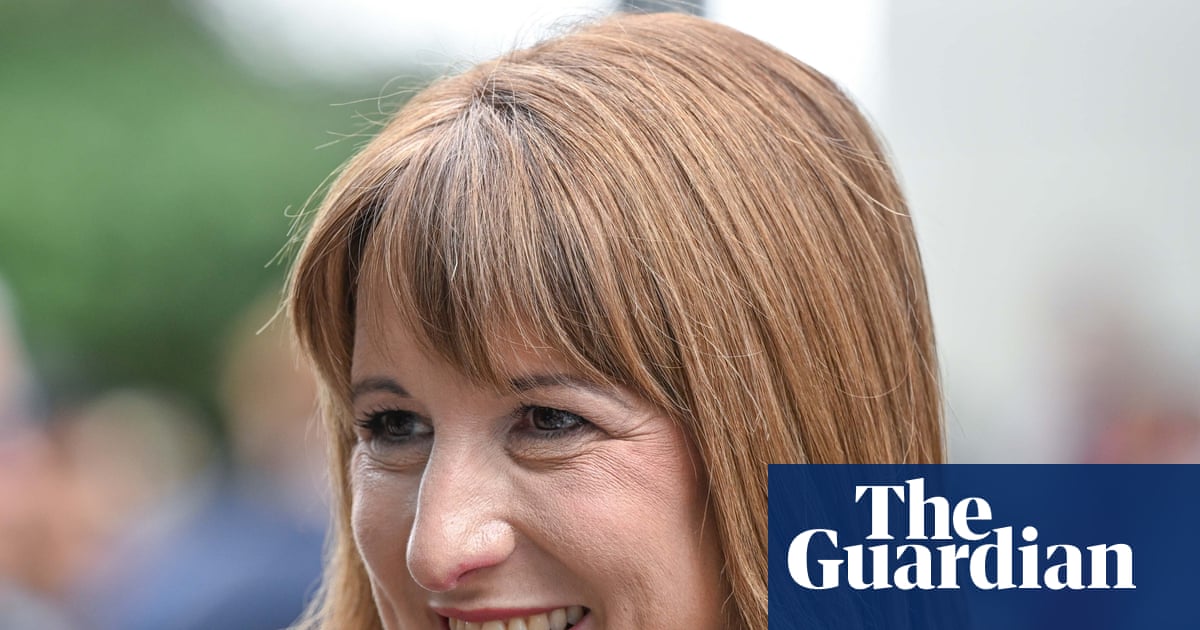
Rachel Reeves unblocked a development of 20,000 homes that were being held up by a rare snail, after being approached by a developer with whom she said, “we have a good relationship”.
The government has been working on planning reforms that nature experts say put wildlife at risk. The reforms could include discarding the EU-derived habitats regulations that protect rare animals, and adding more pro-building amendments to the planning and infrastructure bill, which is going through parliament.
In a video, seen by the Guardian, the chancellor says she managed to unblock the Sussex homes that were held up due to what Reeves described as a “microscopic snail”.
Speaking on Tuesday to a group of tech company executives at the JP Morgan Tech Stars conference, she said: “We knew about that issue because we’ve got a good relationship with the developer and he brought it to our attention. I didn’t just use it as an example of how bad things were but set about fixing it.”
Reeves asked the audience “please don’t tell anyone before Thursday or Friday” as that is when the government plans to announce the development.
She described the planning blockage as being due to “some snails on the site that are a protected species or something”, adding: “They are microscopic snails that you cannot even see, and they haven’t been able to build there.” The chancellor appeared to be referring to the little whirlpool ramshorn snail, which is 5mm in diameter, and one of the rarest creatures in Britain. It is an indicator of clean rivers and ponds as it is very sensitive to sewage pollution.
skip past newsletter promotion
The planet’s most important stories. Get all the week’s environment news – the good, the bad and the essential
Privacy Notice: Newsletters may contain information about charities, online ads, and content funded by outside parties. If you do not have an account, we will create a guest account for you on theguardian.com to send you this newsletter. You can complete full registration at any time. For more information about how we use your data see our Privacy Policy. We use Google reCaptcha to protect our website and the Google Privacy Policy and Terms of Service apply.
after newsletter promotion
Craig Bennett, CEO of the Wildlife Trusts, said: “For many decades in Britain we have had a proud tradition of following science and evidence when deciding whether to build things or not and that is what happens most of the time.
“It is therefore shocking to hear the chancellor boast allowing people with privileged access to try and circumvent some of these processes that have been put in place by parliament, and to hear the way that the chancellor just dismisses ecological science as if it somehow doesn’t matter.”
Alexa Culver, a planning lawyer who works at RSK Wilding, added: “There are lots of elements of nature that are essential to social and economic prosperity, and are microscopic, that we can’t see. Air for example, being one of them.
“Thousands of jobs in the UK, and in our planning system, are designed to balance the competing needs of developers and the wider public, who rely on nature, biodiversity and breathable air, to have a meaningful existence.”
Reeves has been contacted for comment.