
What’s going on here?
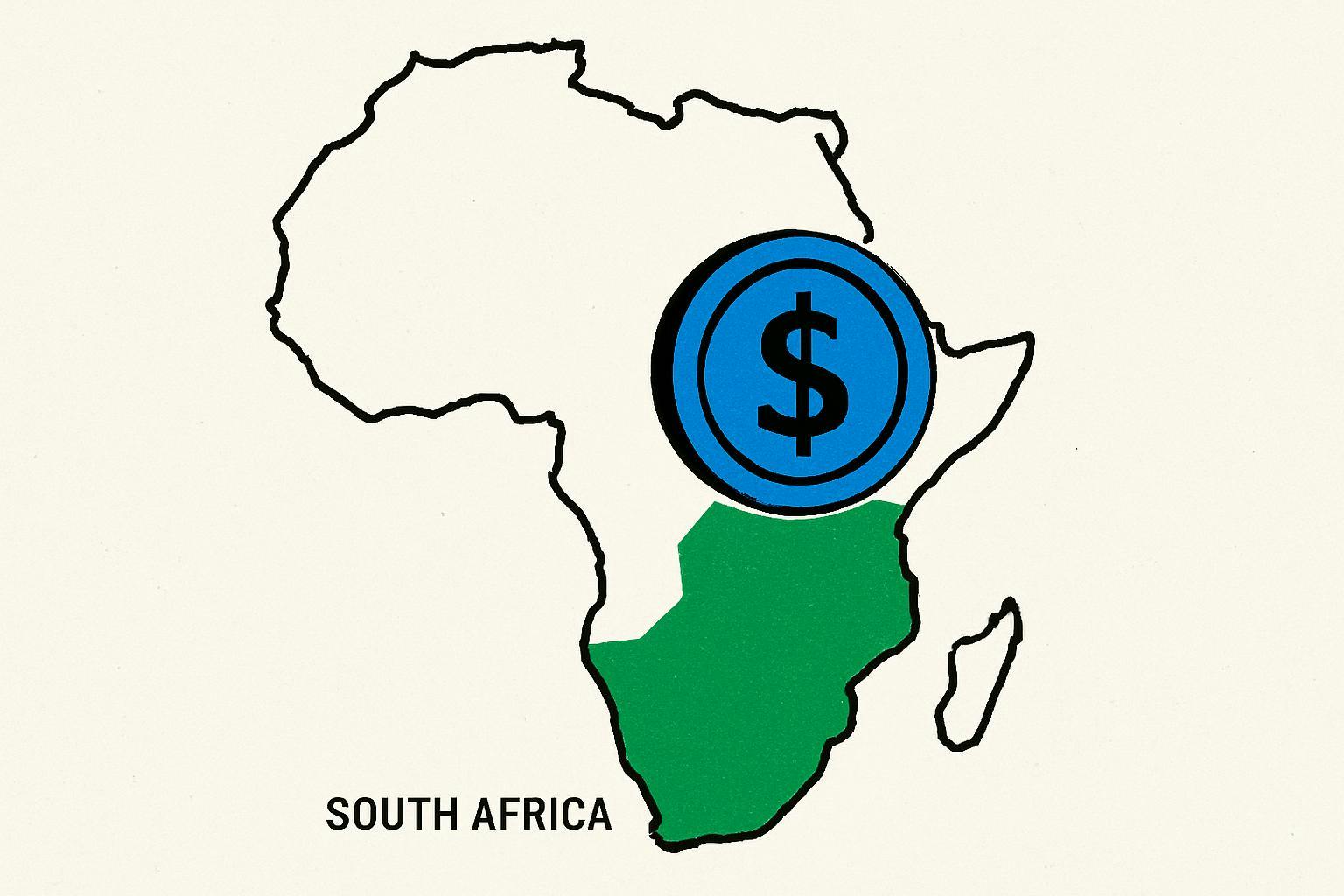
South Africa’s net foreign reserves climbed higher than expected last month, hitting $67.87 billion as the rand kept pace against the US dollar despite lingering trade policy questions.
What does this mean?
South Africa’s finances are looking sturdier than many predicted. Net foreign reserves rose nearly $2 billion from the previous month, beating economists’ expectations and giving the country more breathing room in case of global shocks. The rand’s stability is catching eyes, especially as investors focus on the uncertain future of the African Growth and Opportunity Act (AGOA) – the pivotal US trade program set to expire if not renewed. While South Africa hasn’t fully capitalized on the latest commodity booms like some of its peers, positive global trends are still offering a buffer for its currency. At the same time, a slight uptick in the benchmark 2035 government bond yield to 9.23% hints that bond investors are a touch cautious, but overall market pricing has remained calm.
Why should I care?
For markets: Cushioning volatility builds investor confidence.
Rising reserves boost South Africa’s flexibility, making assets more appealing when markets get rocky. The rand’s resilience points to underlying confidence from investors, even as AGOA’s long-term future hangs in the balance. While bond yields have nudged higher, steady pricing shows global funds are still willing to manage the risk.
The bigger picture: Trade winds and resources set the stage.
Strong global appetite for commodities continues to support emerging markets, but South Africa hasn’t reaped as much as some rivals just yet. AGOA trade talks with the US could shape the country’s future growth path, influencing how much new foreign investment flows in. As the rules of global trade keep evolving, South Africa’s improved balance sheet could be a crucial safety net.
IN PARTNERSHIP WITH THE AVERAGE JOE

The Average Joe strips markets down to what matters, giving you financial insights you’ll actually use.
It’s read by more than 200,000 people… and roughly one in five are millionaires.
Do they read it because they’re rich, or are they rich because they read it?
We don’t run those studies.