
In the past, Israeli-accredited BBC journalists like myself were able to travel regularly to Gaza to report, even during wartime.
However, since the start of the war on 7 October 2023, Israel along with Egypt – when its Rafah crossing was still open – has prevented foreign journalists from accessing the territory except on limited embeds with the Israeli army.
“We once again urge the Israeli authorities to allow journalists in and out of Gaza,” the BBC and other news organisations said in their statement.
This week, 28 countries including the UK released a joint statement saying: “The war in Gaza must end now.” They called for Israel to comply with its obligations under international law and stop the “drip feeding” of aid.
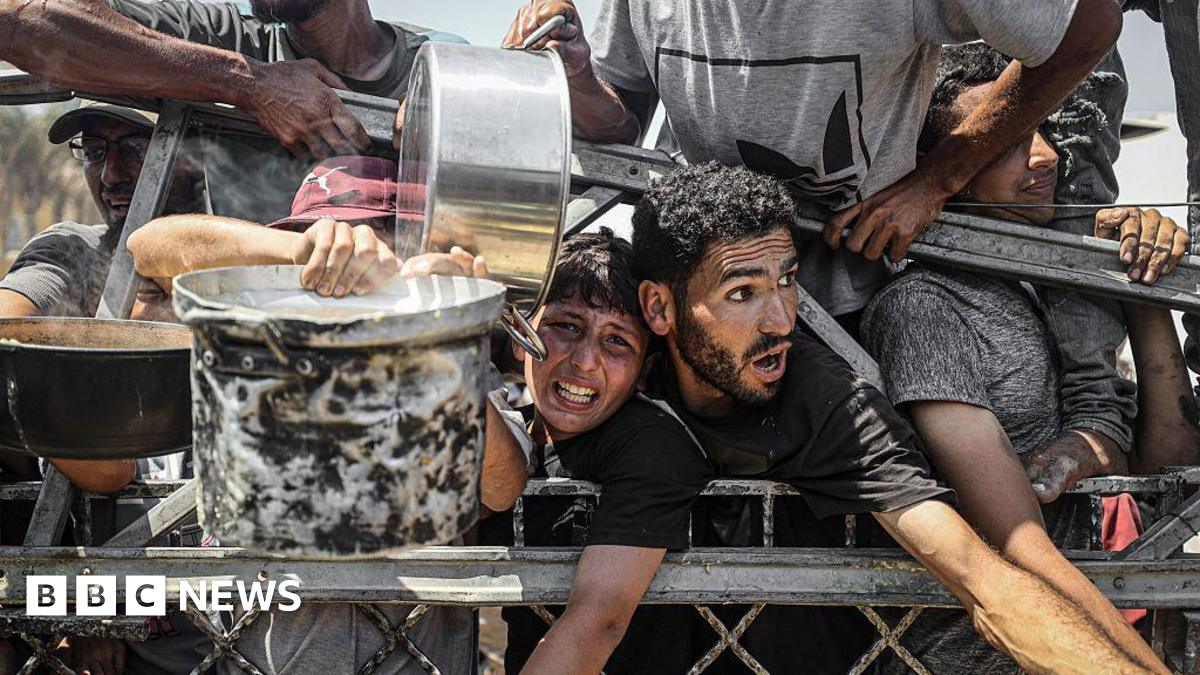
On Wednesday, more than 100 aid agencies and rights groups stated that “with supplies now totally depleted, humanitarian organisations are witnessing their own colleagues and partners waste away before their eyes.”
The news organisations noted that: “Journalists endure many deprivations and hardships in warzones. We are deeply alarmed that the threat of starvation is now one of them.”
They added: “It is essential that adequate food supplies reach the people [in Gaza].”
For now, our own colleagues are battling to get through each day, balancing their responsibilities to their families with their desire to tell the world about the extraordinary difficulties their people are living through.
“It’s currently catastrophic. Hunger has reached every home,” one told us. “This is like a suspended death sentence.”