

Retaining a primary listing in London makes “an enormous amount of sense” after Anglo American merges with Canada’s Teck, Anglo’s boss said, although he declined to rule out a move in future.
Duncan Wanblad said that it was “not the intention at the moment” that the newly merged Anglo Teck would ditch its blue-chip London listing, even though Anglo will abandon its London headquarters with the combined company being based in Vancouver.
London has already seen the world’s biggest miner, BHP, ditch its primary London listing in favour of Australia, while Rio Tinto has come under pressure from investors to do the same. Glencore said in August that it was sticking with London instead of moving to New York, primarily because it could not be confident of inclusion in America’s prestigious S&P 500 index.
Anglo announced a proposed $53 billion merger with Teck Resources last month to create a copper-focused mining giant.
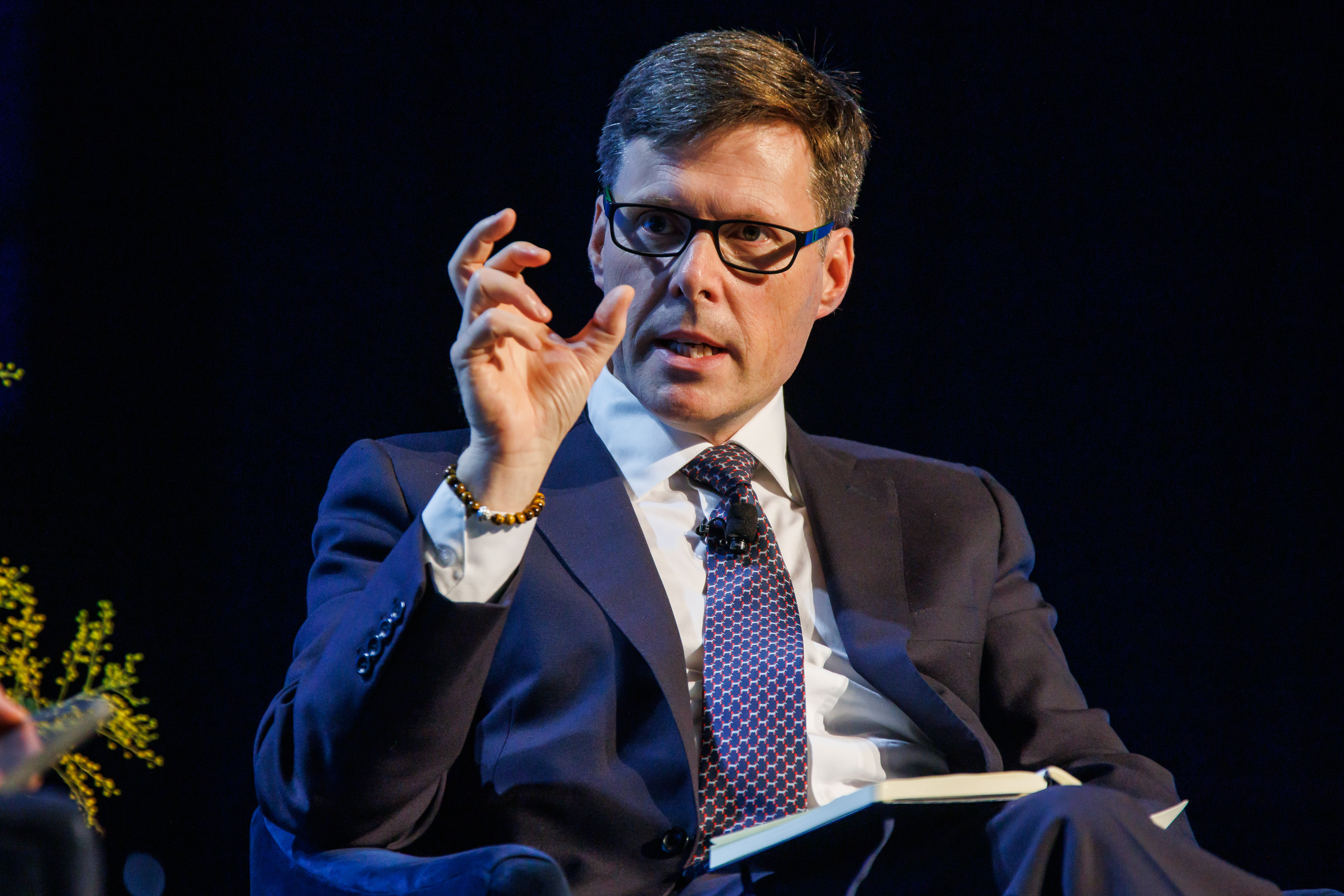
Duncan Wanblad said there were “a number of really interested strategic buyers” for its De Beers diamond business
GETTY IMAGES
Wanblad told the FT Metals and Mining Summit that the biggest uncertainty over the deal was around “anti-trust approvals” such as under the Investment Canada Act. “We believe we’ve offered a really strong package under Investment Canada. The idea that we would be moving the headquarters to Vancouver is a massive deal for Canada in the context of setting up a critical minerals company for the next multiple decades, which will be run and operated from, from Canada,” he said.
Explaining the rationale for a continued primary London listing, he said: “The vast majority of both the companies’ shareholders actually are in London, and London has significant access to capital and resources. Fundamentally, the London listing makes an enormous amount of sense for the company in the future.”
Asked to pledge that it would not ditch its primary listing in future, however, Wanblad said: “I’m not making any such pledge.”
Anglo Teck would also be listed in Toronto, Johannesburg, and New York, which Wanblad said would give it “the broadest access to capital markets that are very deep, but also very knowledgeable in their understanding of mining and mining development, particularly at probably one of the most crucial junctures in mining’s history as we navigate the world of critical minerals today”.
Anglo is in the middle of a strategic overhaul to streamline and ditch non-core businesses such as steelmaking coal and diamonds. However, it has run into difficulties, with Peabody pulling out of a $3.8 billion deal for the coal business following a fire at a mine in Australia. The matter is now in arbitration. Wanblad said it would wait until Moranbah North was back up and running before trying to market the coal business again.
Anglo’s sale process for its De Beers diamond business comes amid a sustained downturn in the diamond market, and has triggered a battle for influence among its African host nations, with Botswana seeking to increase its holding to a controlling stake and Angola seeking a minority holding.
Wanblad said it had had “a number of really interested strategic buyers in various consortia for the business” and was now moving “into the second round with one or two of the potential selected buyers”. They would “work with the government of Botswana in finalising an agreement that works not only for the potential buyers, but also for the government of Botswana”, he said, adding he hoped it would take place “over the next six months or so”. Botswana’s president has said he wants to finalise a deal this month.