How AI-generated images fuelled misinformation around Australian missing child casepublished at 11:24 BST
11:24 BST
 Thomas Copeland
BBC Verify Live journalist
Police in South Australia have scaled back a search for a four-year-old boy named Gus Lamont who disappeared on Saturday 27 September.
Despite extensive reporting of the case by Australian media, AI-generated misinformation has been spreading on social media this week.
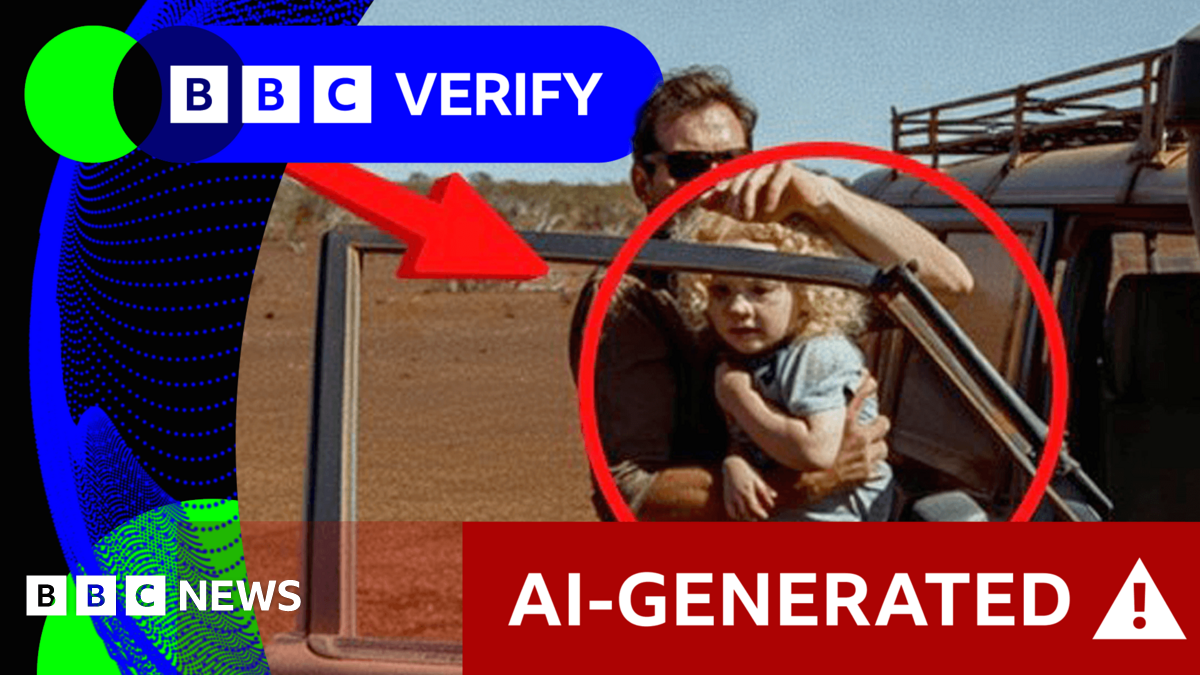
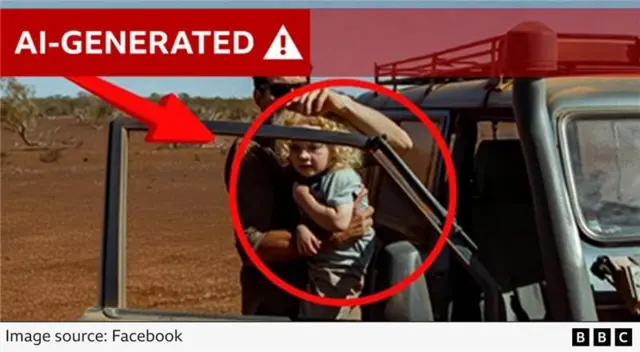
One AI-generated image circulated online that appeared to show a man carrying “Gus” into a car. It was labelled: “Is this a kidnapping case?”
BBC Verify has confirmed this image is not real and South Australia Police has told local media it was urging people to check trusted sources for accurate information.
“Police urge caution when using artificial intelligence in internet searches and recommend cross-referencing the information with trusted sources.”
The search has now shifted to a “recovery operation”, police say, adding there was “little hope for us to find Gus alive”.
How do we know it’s AI-generated?
A Facebook account called “Celebrity Today” shared this picture to its 815,000 followers and has had around 5,000 reactions and more than 2,500 shares.
I sent a selection of images from the account to Michael Wooldridge, professor of artificial intelligence at Oxford University, who pointed to the unnatural hands and limbs.
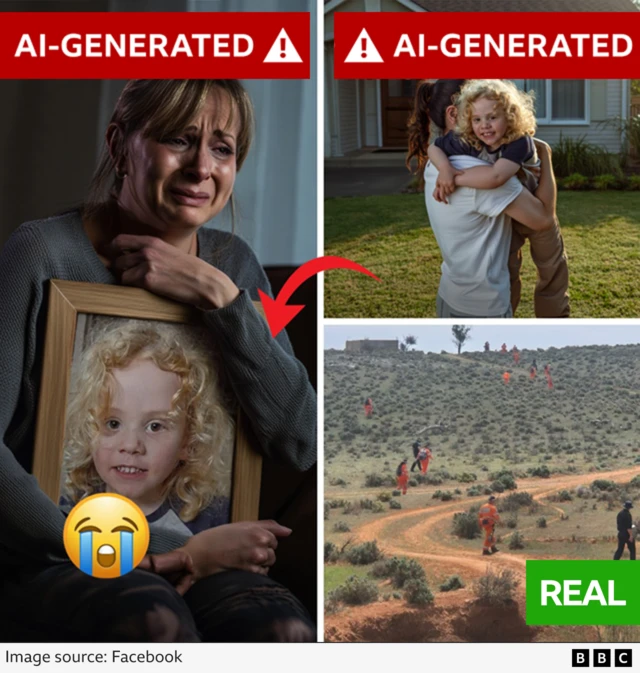
In the fake image of the boy a the top of this post the man’s forefinger is elongated and in an AI-generated picture of a woman holding a real picture of Gus – see below – she only has three fingers on her left hand.
We also found that many of the posts shared by Celebrity Today mix real photos with AI-generated images.
We’ll share more information soon about what we’ve found about the Facebook accounts and the fake news site behind this AI misinformation.