
This deal is a significant diplomatic breakthrough led by Trump, who wants to be remembered as the one who brought the conflict to an end.
The president employed American leverage to force Netanyahu, who has been accused of sabotaging earlier efforts for a deal, to engage with the negotiations.
Hamas came under pressure from Egypt, Qatar and Turkey, and from a population in desperate need of help.
Israel launched the war in response to the Hamas attacks on 7 October 2023, when around 1,200 people were killed, mostly civilians, and 251 were taken hostage.
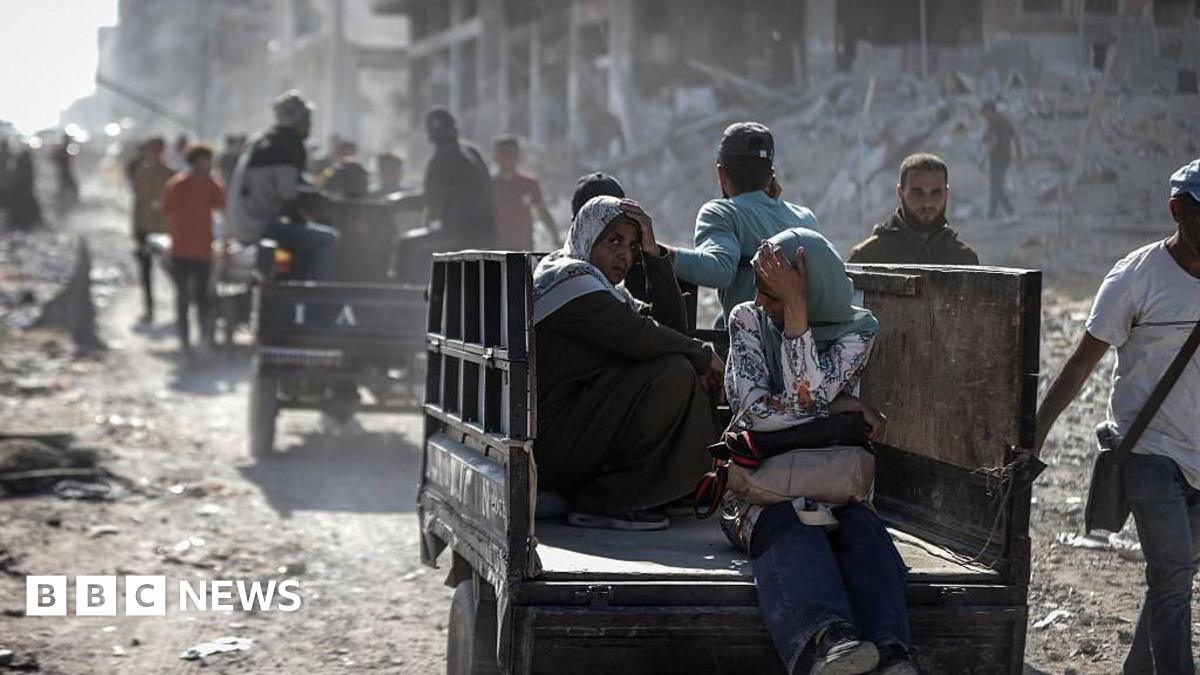
Israel’s military campaign has killed more than 67,000 Palestinians, mostly civilians and including more than 18,000 children, according to the Hamas-run health ministry, and led to a catastrophic humanitarian crisis.
The first phase of the president’s plan was, perhaps, the easiest one. Netanyahu was also facing growing domestic pressure, with polls consistently suggesting that the vast majority of Israelis wanted a deal with Hamas and the end of the war. Hamas, meanwhile, was apparently convinced that keeping the hostages had become a burden, giving Israel a reason to continue fighting.
What happens next, however, is not clear. Progress will only happen if the Trump administration remains engaged, as both Israel and Hamas have reasons to stall the process. There is momentum, but major obstacles remain.