
Tom Sulston, head of policy at Digital Rights Watch, said the publication of politicians’ contact details was likely to be nothing more than a nuisance, but was of real concern to others who might want their details kept private.
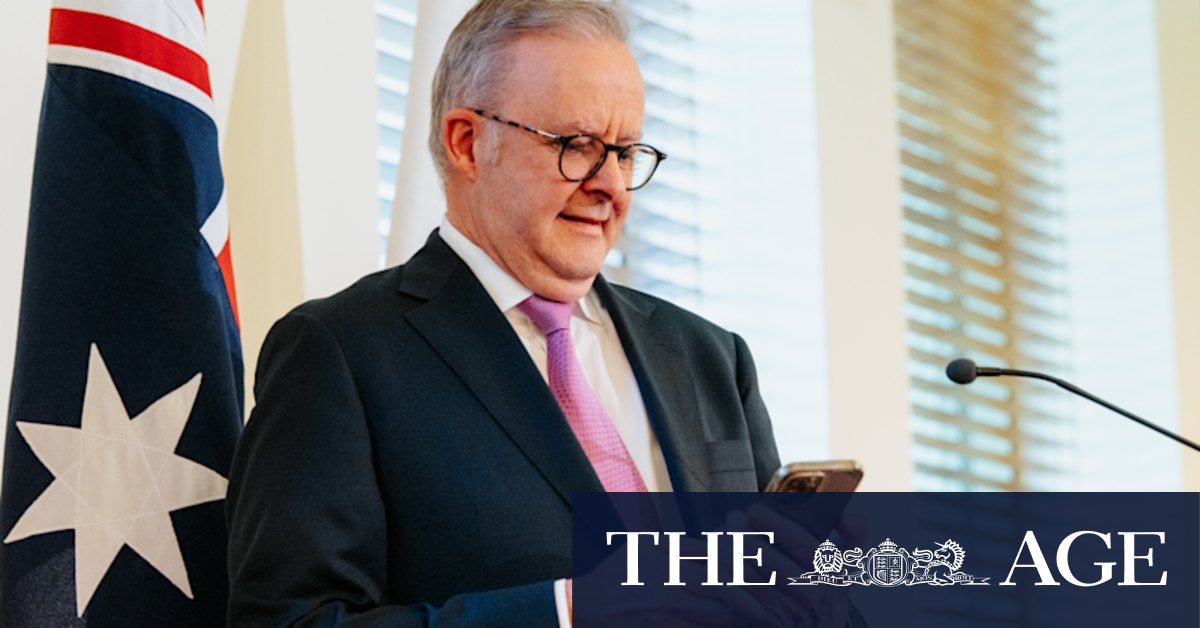
“In terms of Anthony Albanese, the worst thing that’s probably going to happen to him with his phone being leaked is he’ll get a few prank calls, and then he’ll have to get a new phone number … but if you’re someone who’s getting out of domestic violence, your address is leaked, that could be literally fatal,” Sulston said.
While the source of the data is unclear, there have been a number of high-profile data leaks in Australia in recent years, including from companies such as Optus, Medibank, and Qantas. The personal data of 5.7 million Qantas customers was published on the dark web last week.
“Could the data have come from one or some of those? Yeah. Could this company have gone on to the dark web and gone and bought data sets of 5 million Australians? They could have done that. Could we prove it? It would be very difficult,” Sulston said.
This masthead does not suggest the website illegally obtained data.
Loading
Sulston said that companies already collected and stored more data than they needed to, and changes to online behaviour stemming from the under-16 social media ban that will start on December 10 – including age verification through the provision of government ID – are likely to make the situation worse.
In 2017, the Department of Parliamentary Services accidentally published the private phone numbers of hundreds of federal politicians, including former prime ministers. The department had intended to publish a redacted list of politicians’ phone bills, but instead included phone numbers in a white font that could be read if copied and pasted.
Cut through the noise of federal politics with news, views and expert analysis. Subscribers can sign up to our weekly Inside Politics newsletter.