
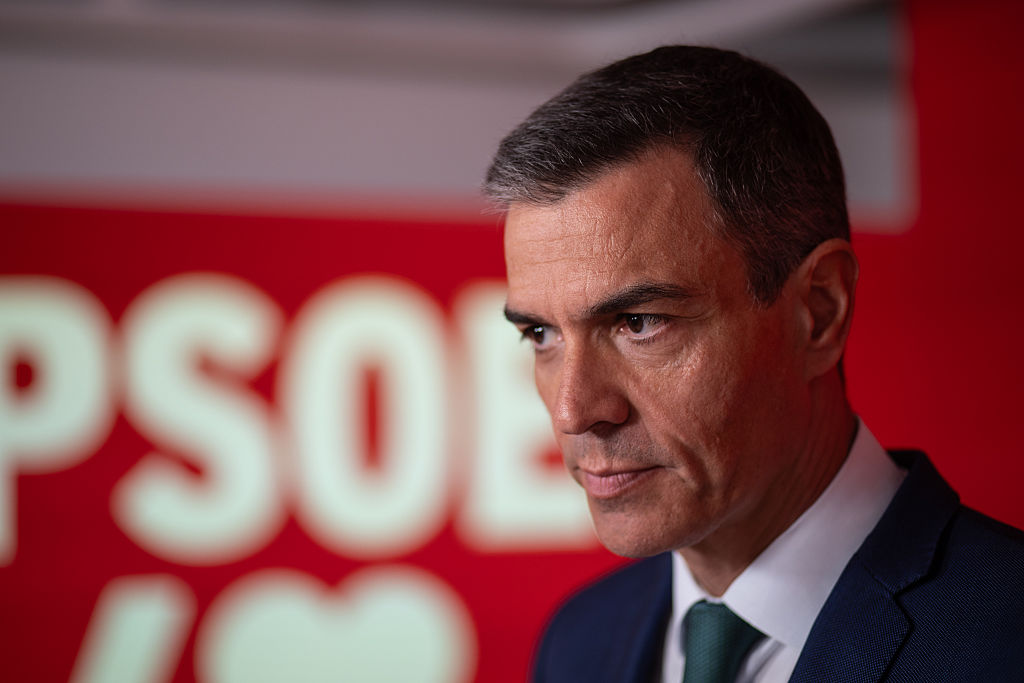
MADRID – Upon returning from the Sharm el-Sheikh summit on Gaza, Spanish Prime Minister Pedro Sánchez defended Spain’s diplomatic stance, insisting that peace in the Middle East cannot come with impunity for alleged war crimes.
In an interview with Cadena Ser on Tuesday, Sánchez said Spain, Norway and Ireland’s early recognition of Palestinian statehood had “paved the way” for other EU members. While welcoming what he called a “window of opportunity” for peace, he warned that responsibility must be upheld.
Asked whether Israeli Prime Minister Benjamin Netanyahu should face trial, Sánchez replied: “Those who have been the main actors in the genocide in Gaza must answer to justice. There can be no impunity.”
Spain has backed an arms embargo on Israel, approved by Parliament last week, and is considering a future role in Gaza.
“We still don’t know how security will be implemented on the ground,” he noted, “but Spain wants to be present in the reconstruction efforts.”
All eyes on defence
Sánchez was also pressed on comments by US President Donald Trump, who suggested Spain should be expelled from NATO over low defence spending. The prime minister defended Spain’s dual commitment to the Alliance and to its welfare state.
Echoing Defence Minister Margarita Robles, he argued Spain can “meet NATO’s challenges and objectives” with its current trajectory.
NATO estimates foresee Spanish defence spending reaching 2% of GDP by the end of 2025, up from 1.43% in 2024.
Domestic concerns
On internal politics, Sánchez reiterated his government’s “tireless commitment” to present the 2026 state budget. The draft is already delayed beyond the 1 October constitutional deadline, with Spain still operating under the 2023 spending plan due to lack of agreement among coalition partners.
Despite the constitutional requirement to submit a budget annually, Sánchez played down the delay, saying he was “comfortable with the 2023 budget” and that “nothing would happen” if accounts were not updated.
Finally, addressing ongoing corruption investigations involving members of the Socialist Workers’ Party (PSOE), as well as his wife and brother, Sánchez insisted on their innocence.
He denied any evidence of illegal party financing and described his administration as “stable and efficient”.
“Spain is experiencing one of its best moments in recent decades,” he concluded.
(cs)