
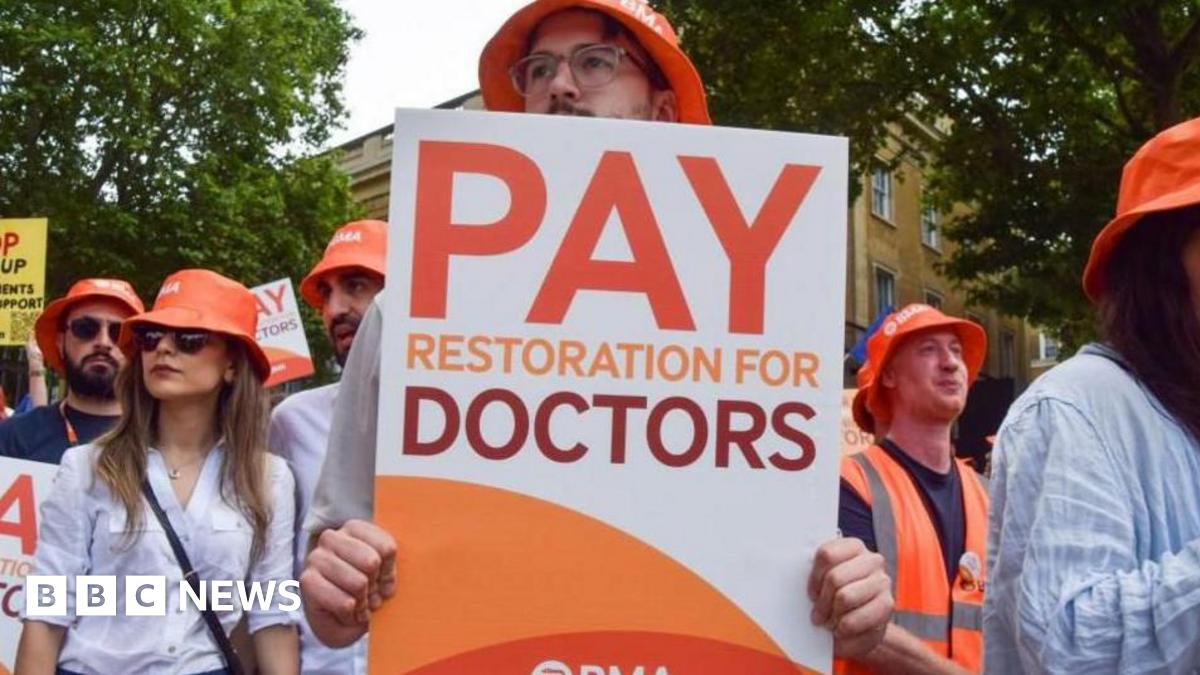
Previous walkouts have led to mass cancellations, with more than one million appointments and treatments cancelled during resident doctor strikes which first began in March 2023.
Some hospitals were only able to deliver half their normal amount of routine care on strike days.
But NHS sources said, this time, some hospitals were planning full schedules after the new approach of prioritising both emergency and non-urgent care.
“We’ve learnt lessons from the past strikes – this one will feel very different,” they added.
Prof Meghana Pandit, a director at NHS England, said: “It’s really important to reduce cancellations, because people have been waiting, sometimes for months for their routine hip replacement or hysterectomy or any appointment, and actually rescheduling the appointments impacts on them and leads to physical and psychological harm.”
But she said it was inevitable there would still be some disruption, however she warned patients to still use the NHS if they need it.
While the majority of resident doctors work in hospitals, some GP practices and community services could also be affected.
One of those who has been impacted is Hassnain Shahid, 32, from Bradford, whose three-year-old daughter has had her lung surgery on Monday cancelled.
She has a rare lung condition which means that if she catches a cough or cold she could be at serious risk.
“It’s been an emotional rollercoaster. It’s very frustrating,” said Hassnain.
The BMA, though, has warned the new approach could cause even greater problems and risk safety.
It has written to NHS England to say that staff who are working could be stretched too thinly. The union said it would be better to significantly reduce non-urgent care as has happened previously.