
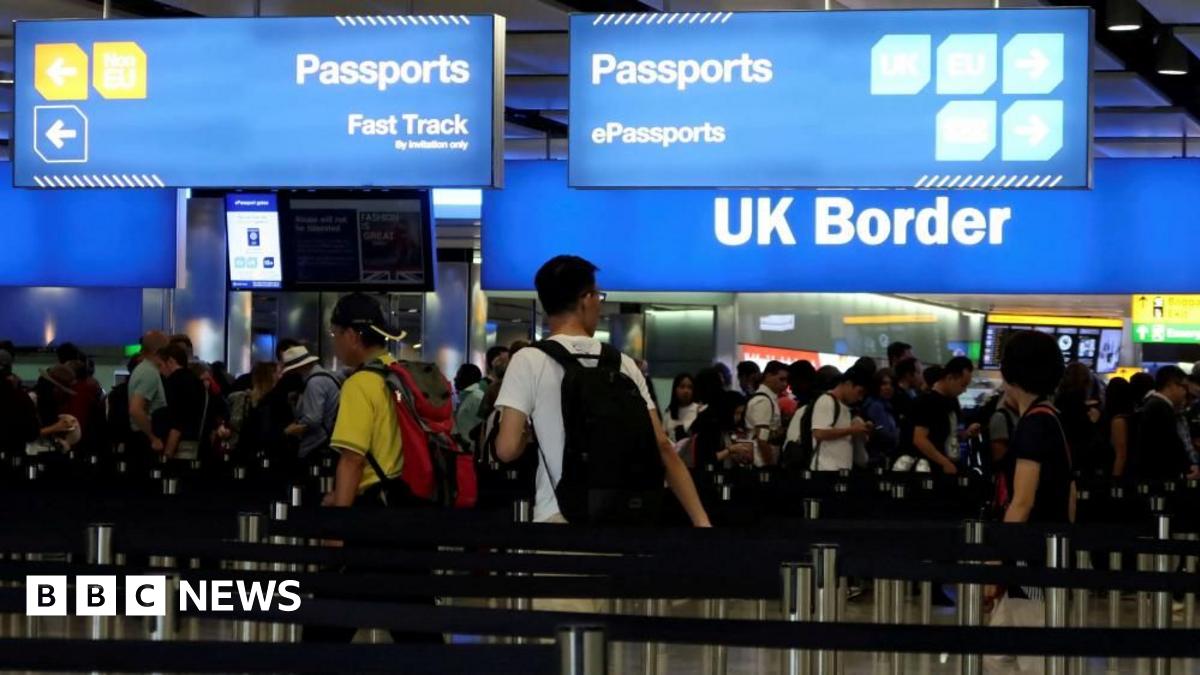
Home Office estimates suggest the measures could reduce the number of people coming to the UK by up to 100,000 per year.
Net migration to the UK – total permanent arrivals minus total permanent departures – fell to 431,000 in 2024, down almost 50% on the total in 2023, when it reached a record high of 906,000.
Other measures in the white paper include cutting the time period international students can stay in the UK to find a graduate job after their course ends from two years to 18 months, which will take effect from January 2027.
Students will also have to meet higher financial requirements, raised to £1,171 per month outside London (from £1,136) for up to nine months.
Further plans in the White Paper include, the immigration skills charge for UK employers to pay when sponsoring foreign workers on specific visas has also been increased to £480 per person per year for small organisations or charities, and to £1,320 for medium and large organisations.
This is raised from £364 and £1,000 respectively.
As part of the government’s efforts to attract highly skilled people to the country, the HPI route will be expanded. The number of migrants on the visa is expected to double from 2,000 to 4,000, but there will be a cap of 8,000 applications each year.
The Global Talent visa, for high achievers in technology, arts and academia fields has also been expanded to include winners of more prestigious prizes.
Dr Madeleine Sumption, director of the Migration Observatory at the University of Oxford, said the government faced a “trade-off” between “ensuring migrants speak good English and enabling employers to recruit workers who are expected to bring economic benefits.”
Many graduate jobs already require language skills above A-level standard, she said.
The new language requirements will have “more impact in middle-skilled jobs involving technical and manual skills, where employers sometimes do not require high language proficiency”.