
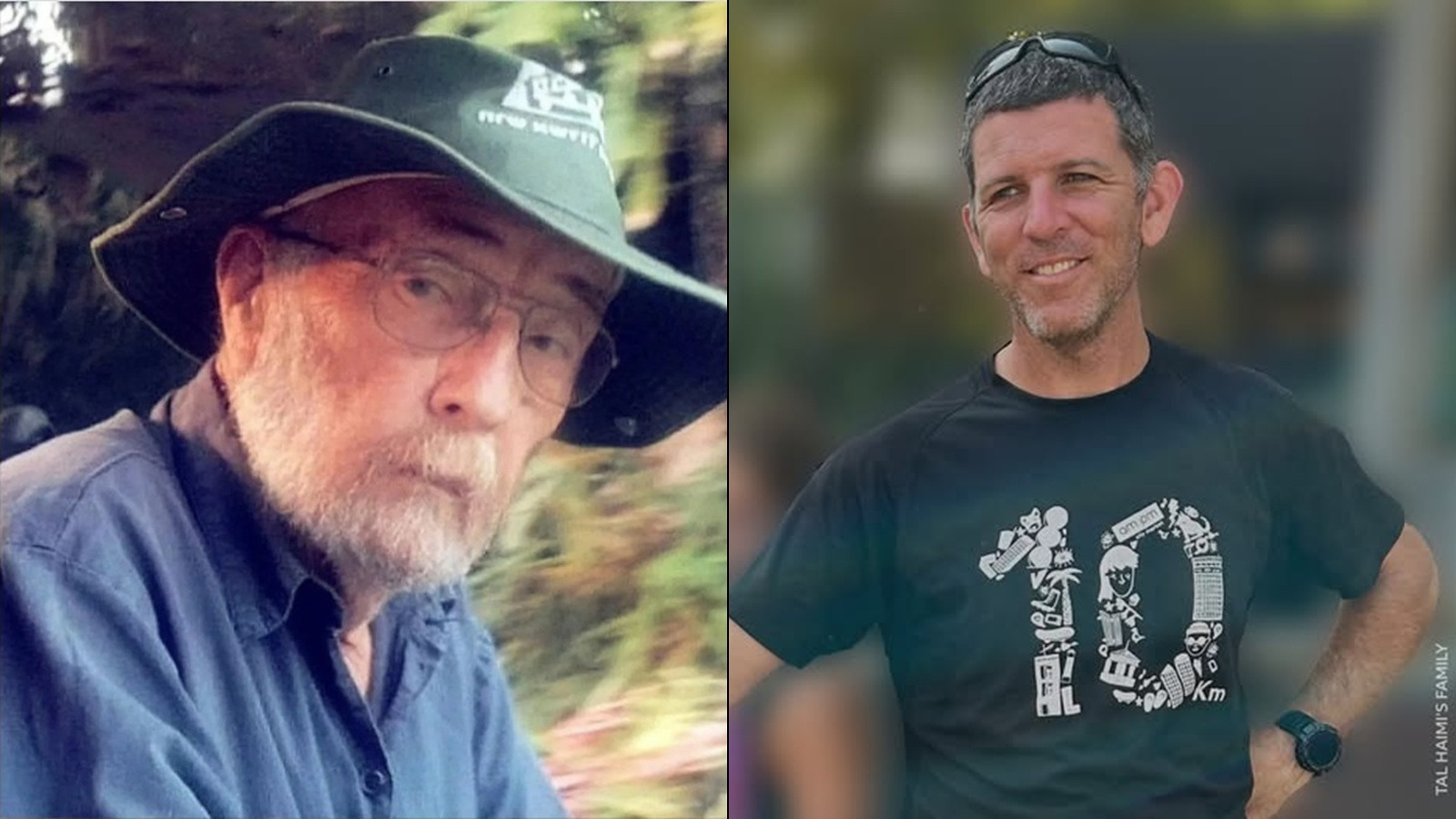
In a close-up dispatch by Gabriel Colodro, families of slain hostages describe a new torture that begins after the guns quiet: waiting for bodies that still haven’t come home. The Trump-backed ceasefire has returned 20 Israelis alive, and authorities say 28 were murdered in Gaza, yet only eight bodies have been repatriated. That arithmetic defines the grief of Boaz Zalmanovich, whose father, Aryeh, 86, died after 42 days in captivity. “Hamas keeps playing with the dead,” Zalmanovich says, accusing the group of parceling out remains “drop by drop.” His account, corroborated by released hostages, traces Aryeh’s final hours at Al-Aqsa Hospital and a family forced to learn of his death from a hospital video that spread on Telegram and Al Jazeera.
In Nir Yitzhak, Ela Haimi lives a parallel story. Her husband, Tal—the kibbutz’s rapid-response commander—was killed defending neighbors on Oct. 7. With no remains, she buried his helmet so their children have a place to speak to their father. She spends days on the phone with liaison officers and nights waiting for promised transfers: “I just want him home… That’s what he deserves.” Families call the deal’s enforcement “a second kind of captivity,” citing loopholes that let Hamas slow-walk returns while appearing to comply.
Politics intrude. Before President Donald Trump addressed the Knesset, Speaker Amir Ohana faced anger over yellow ribbons for hostages; Zalmanovich called the move to remove them “sycophancy.” Still, relatives keep their demand simple: the state must bring everyone home—living if possible, dead if not. The piece’s precision reporting and human scale invite a full read—Colodro threads policy, ritual, and raw testimony into a narrative about closure that remains out of reach.