
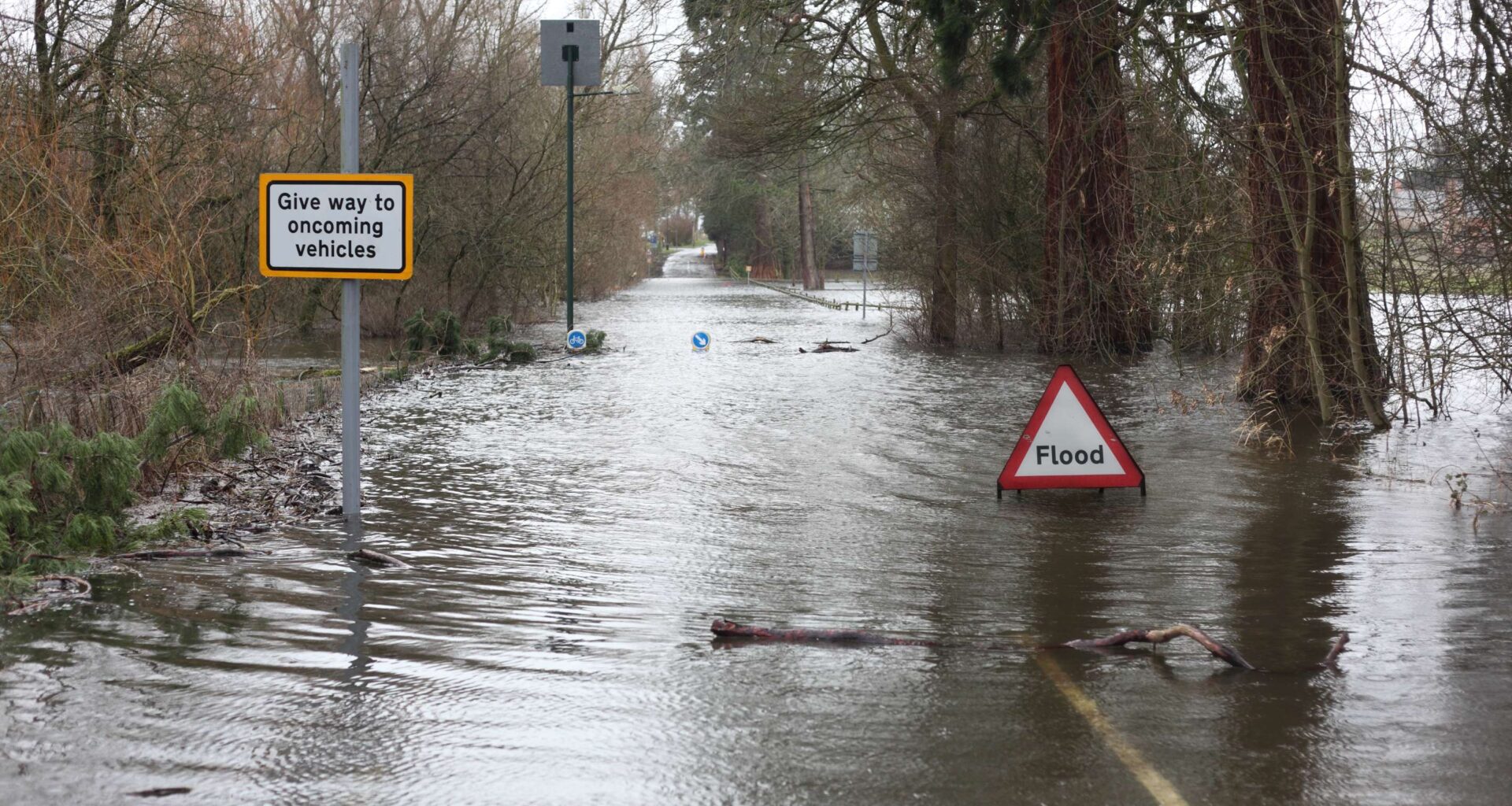
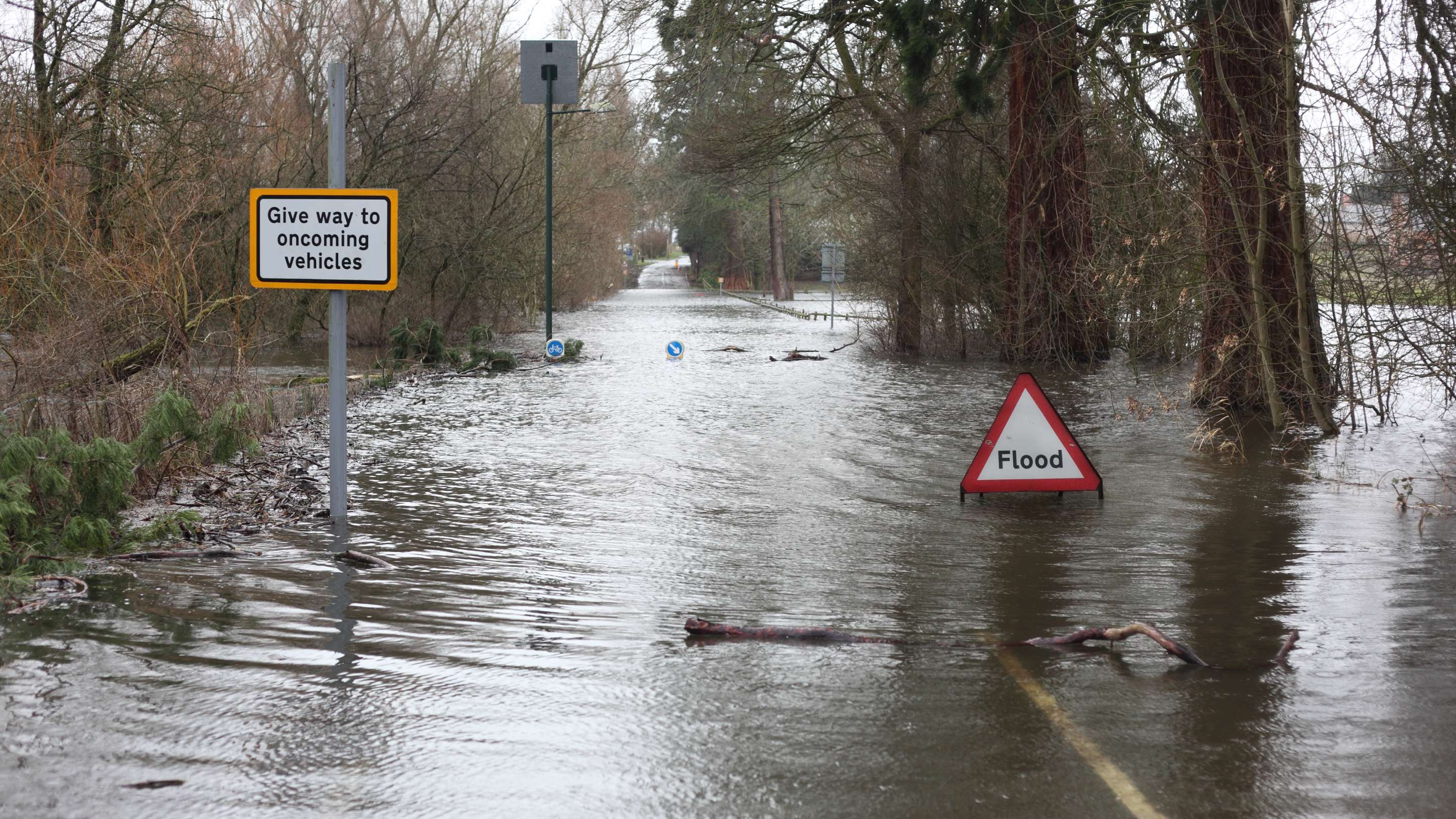
 Motor flood claims in October accounted for almost a fifth (19%) of all flood-related claims in 2024[1] 60% of flood-related motor claims in 2024 resulted in a vehicle being written off The average motor flood claim costs £6,638 Despite this, 6.6 million drivers (12%) admit to driving through flood water[2] To help drivers during Flood Action Week, Aviva shares its top tips for driving during adverse weather
With storm season upon us, new data by leading insurer, Aviva, reveals that October has the highest number of flood-related motor claims.
The data, which looks at flood water claims from 2023 – 2024, reveals that almost a fifth of all motor flood claims (19%) are made during the month of October.
Motor flood claims saw a dramatic rise last year, increasing by 149% from August to September and a further 190% from September to October, with each claim causing £6,638 worth of damage to vehicles on average. The data also revealed that flood water can cause significant problems for vehicles, with 60% of claims leading to a vehicle being written off. [1]
Worryingly, it seems drivers are unaware of the dangers of driving through floods. Separate research, which surveyed 2,000 Brits, reveals that over one in 10 (12%) drivers have driven when there is a severe weather warning in place. Furthermore, 4.3 million motorists (8%) have unknowingly driven through flood water, with an additional 3.2 million drivers (6%) consciously taking a risk to drive through a submerged road or crossing, even when there is a flood warning in place.[2]
As the weather is likely to become more unpredictable during autumn and winter, it is vital that drivers are aware of how risks on the road can change.
Driving through water can be dangerous and can cause significant damage to cars. The issue is highlighted in rule 121 of the Highway Code, which states that if a motorist has driven through deep water, they should test the effectiveness of their brakes at the first safe opportunity. Without functioning brakes, a vehicle could be deemed unsafe, and could lead to a fine up to £2,500, three points on a driving licence, and possibly a driving ban.[3]
James Driscoll, Motor Claims Manager at Aviva, comments: “As the weather is likely to become more unpredictable during autumn and winter, it is vital that drivers are aware of how risks on the road can change. Flash floods can catch us off guard and the depth of flood water can also be deceptive, meaning that drivers may not always be able to gauge the true depth of the water or see submerged hazards on the road.
“If you encounter a flood or higher levels of flood water in a ford, always find an alternative route to your destination. Even a small amount of water can cause severe damage to your brakes and engine, potentially leading to irreparable damage to your vehicle.
“Water from floods can often be contaminated with sewage or mud which can lead to extensive repairs to your car, if it’s repairable at all.”
Aviva’s top tips for driving during wet weather include: Listen out for flood warnings in your area and sign up to the Government’s flood risk checker to check your route. Reschedule travel plans where possible during adverse weather conditions. Driving through strong wind and rain can be dangerous as your vision is easily impaired. Be sure to check that your windscreen wipers are in good working order, as these can become worn down by tough weather conditions. Never drive through flood water and take caution driving through fords or tides. After periods of heavy rain, it’s best to avoid driving through flood water where possible. It’s difficult to see how deep the water may be and you could end up becoming stranded. In addition, flood water could be contaminated so avoid touching without suitable protection. Never drive through flowing water. During bad weather, fords and tides may be higher than usual and just 30cm of fast-flowing water is enough to move a car.[4] If you’re ever in doubt, find an alternative route or wait for the tide to lower. Consider where you park your car if heavy rain is forecast. If there is a risk of flooding in your local area, aim to park your car somewhere on higher ground, away from water courses. Just five minutes of preparation could prevent your car from suffering severe water damage and costly repairs, or in many cases, have your vehicle written off. If you find your vehicle flooded, never turn the engine on as this could let in water that could damage the engine. Contact your insurer as soon as possible, who will be able to give your guidance about what you should do next.
-ends-
References:
1. Aviva motor claims relating to flood from 2023 to 2024.
2. Research conducted by Censuswide, among a sample of 2,000 nationally representative consumers (18+) from 19.09.25-22.09.25
3. Check your vehicle is safe to drive – GOV.UK
4. Guidance from the Environment Agency
Enquiries:
Alice Constable +44 (0)7350 398942
Amy Penn +44 (0)7385 011200