
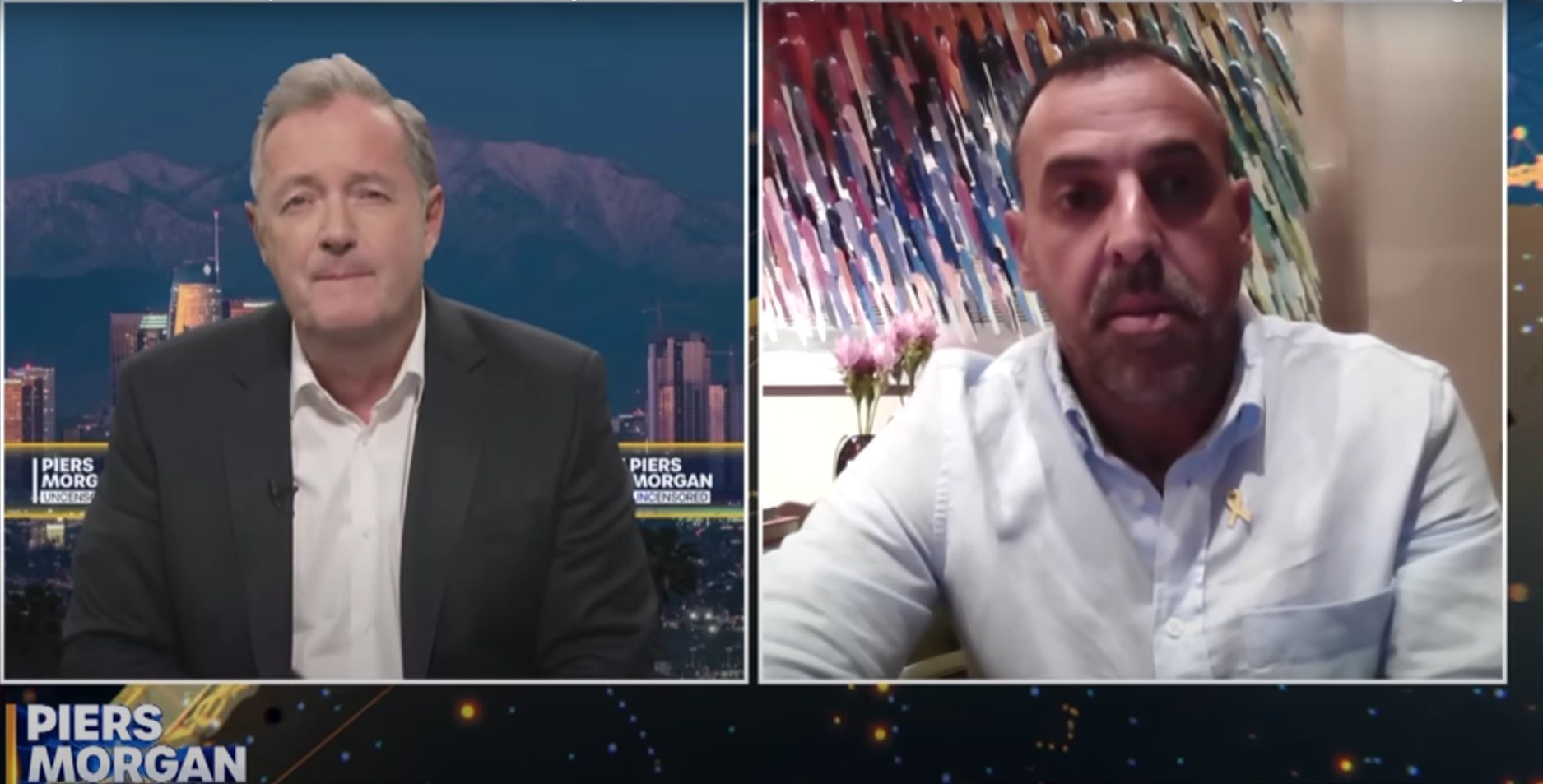
Released hostage Eli Sharabi on Thursday became the first Gaza captivity survivor to be interviewed by fiery British talk show host Piers Morgan, saying during the interview that maintaining the belief that his wife and daughters had survived Hamas’s October 7, 2023, attack was what kept him going during his captivity.
“Thank God nobody told me” they had been killed, said Sharabi. “It helped motivate me to know that one day I’ll come back as I promised my daughters before I was kidnapped, and I would just hold onto the idea that I would hug and see them again.”
At the end of the interview, Morgan — a prominent defender of Israel’s war against Hamas who later turned into a bitter critic of Jerusalem’s campaign — said it had been a fascinating, harrowing and emotional experience, calling Sharabi a “remarkable man” and praising him for “talking in a measured way of his desire for Israelis and for everyone in the region to lead a life of peace.”
Sharabi has been one of the most outspoken former hostages, extensively recounting his experiences and reflections in interviews, in public appearances and in his bestselling memoir, “Hostage.”
Sharabi’s wife, Lianne, and daughters, Noiya and Yahel, were not taken captive with him when Hamas terrorists abducted him from their home four hours into their onslaught on Kibbutz Be’eri on October 7, 2023.
Get The Times of Israel’s Daily Edition
by email and never miss our top stories
By signing up, you agree to the terms
He and Lianne had decided half an hour before the terrorists broke through their safe room that they would not fight back because they didn’t have weapons.
“We assumed I would be kidnapped, but Lianne and the girls had their British passports, and we were sure it would protect them,” he said.
This was not the case, and the three of them were murdered some five minutes after Sharabi was taken out of the safe room, which he didn’t know until the Red Cross handed him over to the IDF during his release earlier this year.
“A social worker approached me and told me my mother and my sister were waiting for me at the Re’im camp, and I asked her to please bring me Noiya, Lianne and Yahel, and she said to me that my mother and my sister will tell me,” Sharabi told Morgan, adding that in that moment, he knew “the worst thing had happened.”
“It was like a five-kilo hammer on my head,” he said. “I cried, but then I remembered where I got my strength from, and it was always from my family, so I wanted to see my mother and sister and hug them.”
The rollercoaster of emotions, he said, began for him two days before his release when one of his captors told him his brother, Yossi Sharabi, had also been taken hostage and was killed in captivity three months later.
“I just waited to hug Noiya, Yahel and Lianne on the border,” Eli said, adding: “You think it’s going to be your happiest day ever, but instead, they told me about the loss of my family.”
The Sharabi family received closure this week when Yossi’s body was returned as part of the current deal, which has seen Hamas return all the living hostages and some bodies it can ostensibly reach in exchange for an end to the war.
Sharabi described the family’s relief at having Yossi’s body back and being able to bury it in Israel, where the family could grieve and visit him.
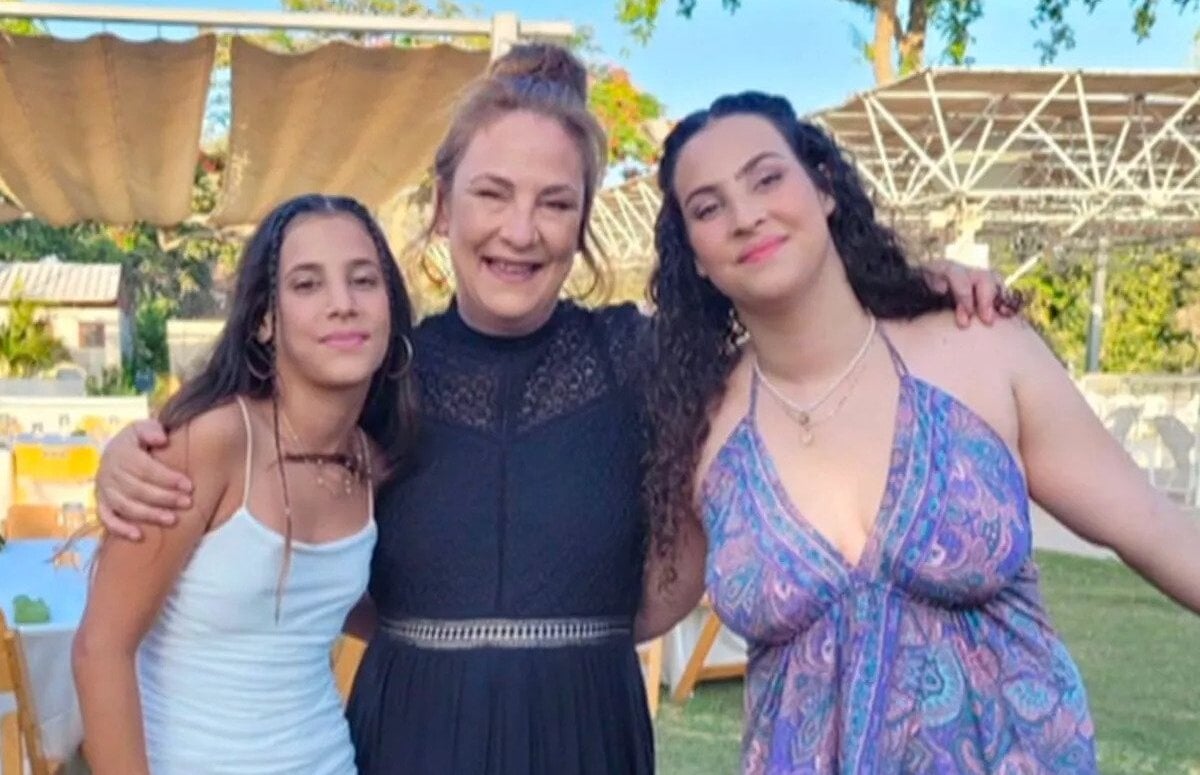
Yahel, Lianne and Noiya Sharabi (Courtesy)
“For us, it’s a very sad closure, but we feel almost lucky that we got Yossi’s body back,” adding that they would continue to fight for the remaining 19 hostages whose bodies have not yet been returned, as Hamas claims it cannot retrieve them without special equipment.
Asked how much credit he gives US President Donald Trump for the deal, Sharabi said he gives a lot of credit to both Trump and his envoy, Steve Witkoff, for both the current deal and the one under which he was released earlier this year.
“Now that the war has come to an end, we have to give them a lot of credit for all the pressure they put on [Prime Minister Benjamin] Netanyahu and Hamas. In Israel, we always want to live in peace and quiet, and I think we deserve it after two years, and maybe now we can start to heal from our trauma,” he said.
Sharabi refused to criticize Netanyahu, however, when asked for his opinion on the premier, a position he has largely kept up since he was released.
“I’m not going to give any grades to my prime minister,” he told Morgan. “I’m sure I disagree with him on some things, but it doesn’t matter. He’s the prime minister, and he chose how to handle this war, so I’m not a politician and I’m not going to give him any grades.”
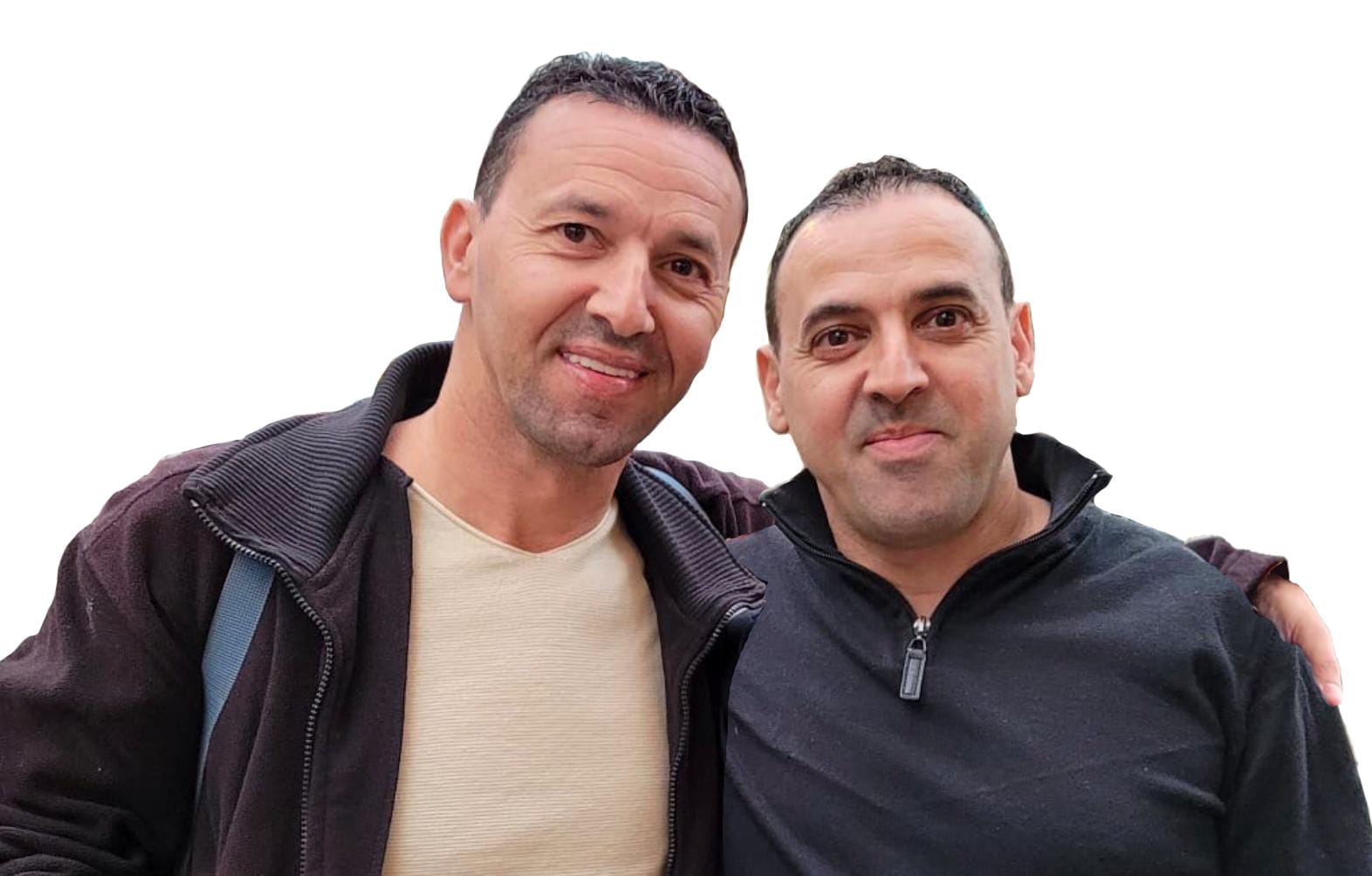
Yossi (left) and Eli Sharabi, brothers who were taken hostage by Hamas terrorists on October 7, 2023. (Courtesy)
Likewise, he refused to express an explicit opinion on the two-state solution, saying only that he hoped the peace promised in Trump’s 20-step plan, of which the current hostage deal is the first stage, would become a reality.
Meanwhile, Sharabi said, knowing that he cannot bring his wife and daughters back, he would “always look for ways to move on,” remain optimistic and rebuild his life.
“Maybe they see me from Heaven and are proud of me,” he said.
You appreciate our journalism

You clearly find our careful reporting valuable, in a time when facts are often distorted and news coverage often lacks context.
Your support is essential to continue our work. We want to continue delivering the professional journalism you value, even as the demands on our newsroom have grown dramatically since October 7.
So today, please consider joining our reader support group, The Times of Israel Community. For as little as $6 a month you’ll become our partners while enjoying The Times of Israel AD-FREE, as well as accessing exclusive content available only to Times of Israel Community members.
Thank you,
David Horovitz, Founding Editor of The Times of Israel