
Indoor Air Quality Alert: Northern Ireland Flooding
IQAir Staff Writers
https://www.iqair.com/newsroom
 What is the location of the flooding?
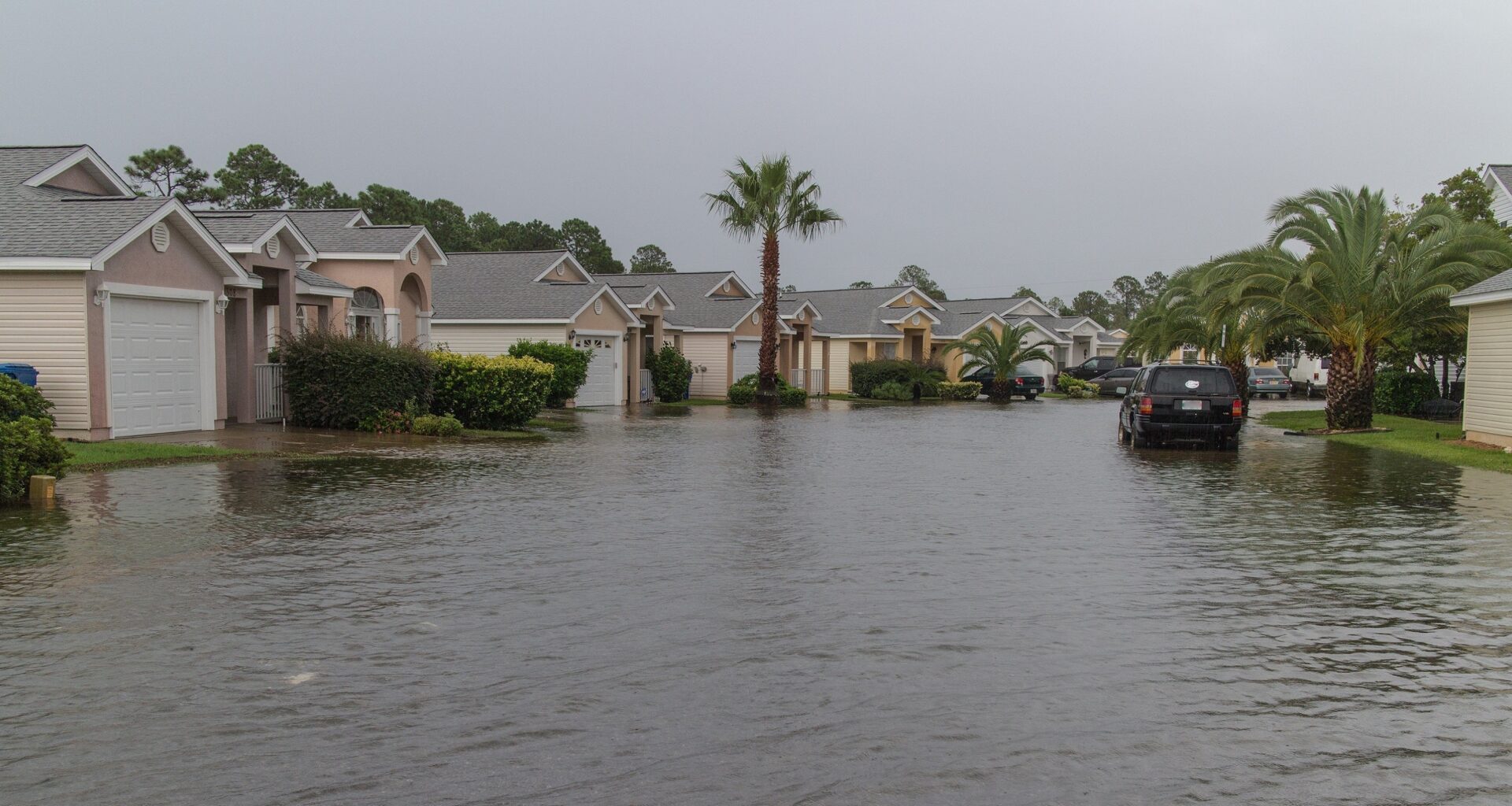
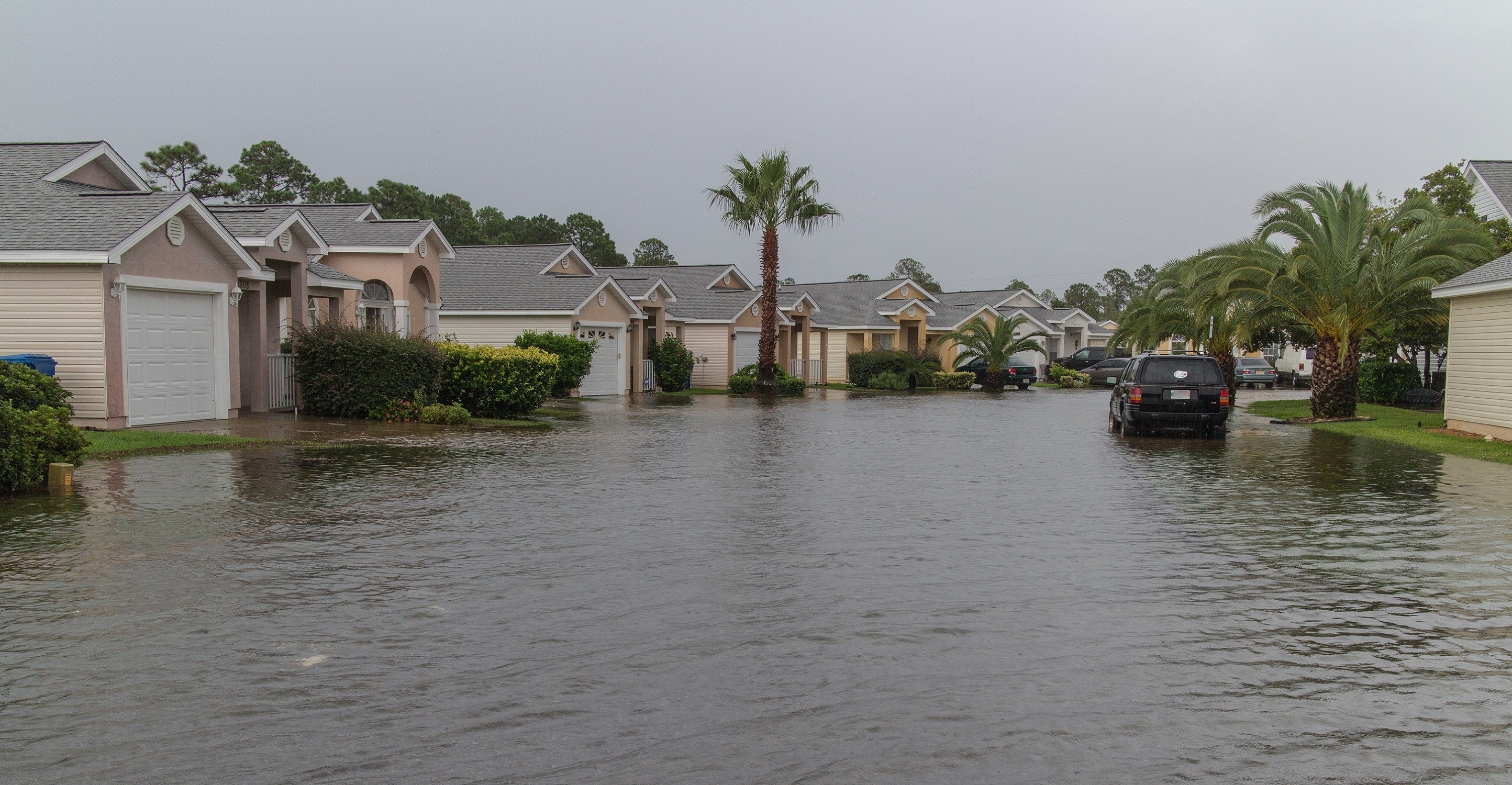
Heavy rains since October 18, 2025, triggered devastating floods across Northern Ireland, primarily in County Down from Mourne Mountains surface runoff. No river overflows reported. Yellow weather warning for rain in Antrim, Armagh, Down, extended to Londonderry and Tyrone until October 19 afternoon. Over half a month’s rain fell in 24 hours, causing flash floods (2).
Which cities or areas are affected by the flooding?
The following cities or areas are affected by flooding:
In County Down:
Newcastle severely hit, including Tullybrannigan Road, Sunningdale Drive, Slievecorragh Avenue, Shimna River banks.
Mourne Mountains, Annalong Valley (hiker stranded).
In County Tyrone:
Beragh faces saturation, with GAA pitches flooded.
Roads impassable, debris widespread (4).
What is the current containment status of the flooding?
Containment ongoing with over 900 sandbags deployed. Department for Infrastructure (DfI) staff clearing debris, large stones, and blockages from roads. Community efforts with shovels built barriers, preventing more homes from flooding, two homes affected. Mourne Mountain Rescue Team escorted stranded hiker to safety. Low tide aided water dispersal, no significant issues elsewhere (1).
Are there any evacuation orders or alerts in place?
No evacuation orders issued. Yellow weather warning urged residents to stay indoors, avoid travel, and unnecessary journeys. PSNI closed Tullybrannigan Road due to damage. Flood Incident Line (0300 2000 100) available for sandbag requests. High tide risks highlighted; community and agencies monitoring (3).
How can I protect myself from mold after flooding?
It’s important to take steps to prevent mold after a flood.
Before entering a flooded area, make sure it is safe and free from electrical hazards or structural damage.
Use protective gear: wear gloves, goggles, and a KN95/FFP2 mask to minimize exposure to mold spores.
If there is still standing water, remove it as quickly as possible. Use pumps, wet-dry vacuums, or buckets to extract the water.
Open windows and doors to facilitate air circulation and use fans, dehumidifiers, and HVAC systems to help dry the space. This step is crucial within the first 24-48 hours after flooding to prevent mold growth.
Remove and discard any items that have been severely damaged by floodwater and cannot be thoroughly cleaned and dried. This includes carpets, upholstered furniture, mattresses, and any other porous materials.
Thoroughly clean all hard surfaces with a detergent or cleaner suitable for mold remediation. Use a solution of 1.5 cups of bleach mixed with one gallon of water to disinfect nonporous surfaces. Never mix bleach with ammonia or other cleaning products, as the fumes are toxic.
Maintain an indoor relative humidity (RH) of 35-50%. High humidity promotes mold growth, so consider using dehumidifiers in damp areas.
Run a high-performance air purifier for mold, both during and after the mold removal work.
If the flooding and mold damage are extensive, consider contacting professionals specializing in mold remediation to ensure proper cleanup and restoration.
Remember, mold can pose health risks, so it’s important to take these steps promptly and thoroughly. If you experience persistent mold-related health issues or have concerns about extensive mold growth, consult with a medical professional or a mold remediation specialist.