
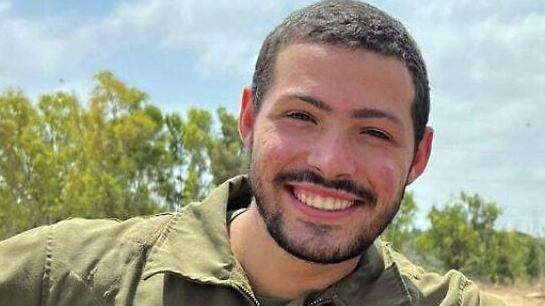
In a different life, Itay Chen is 21 and arguing with his father about why the Boston Celtics should beat the New York Knicks in this year’s NBA championship.
“Right now he most likely would have been travelling Europe with his girlfriend, enjoying life as a young couple,” said Itay’s father, Ruby. “He had his whole life ahead of him. He was so multitalented, it would have been so intriguing to see how his life unfolded. But instead, we are in a different dimension.”
Just over two years ago, on October 7, 19-year-old Itay’s life was cut short. Last week, as other families celebrated the return of hostages and some were finally able to bury their dead, the Chens were left waiting. Itay’s body is one of the 16 still yet to be returned home.
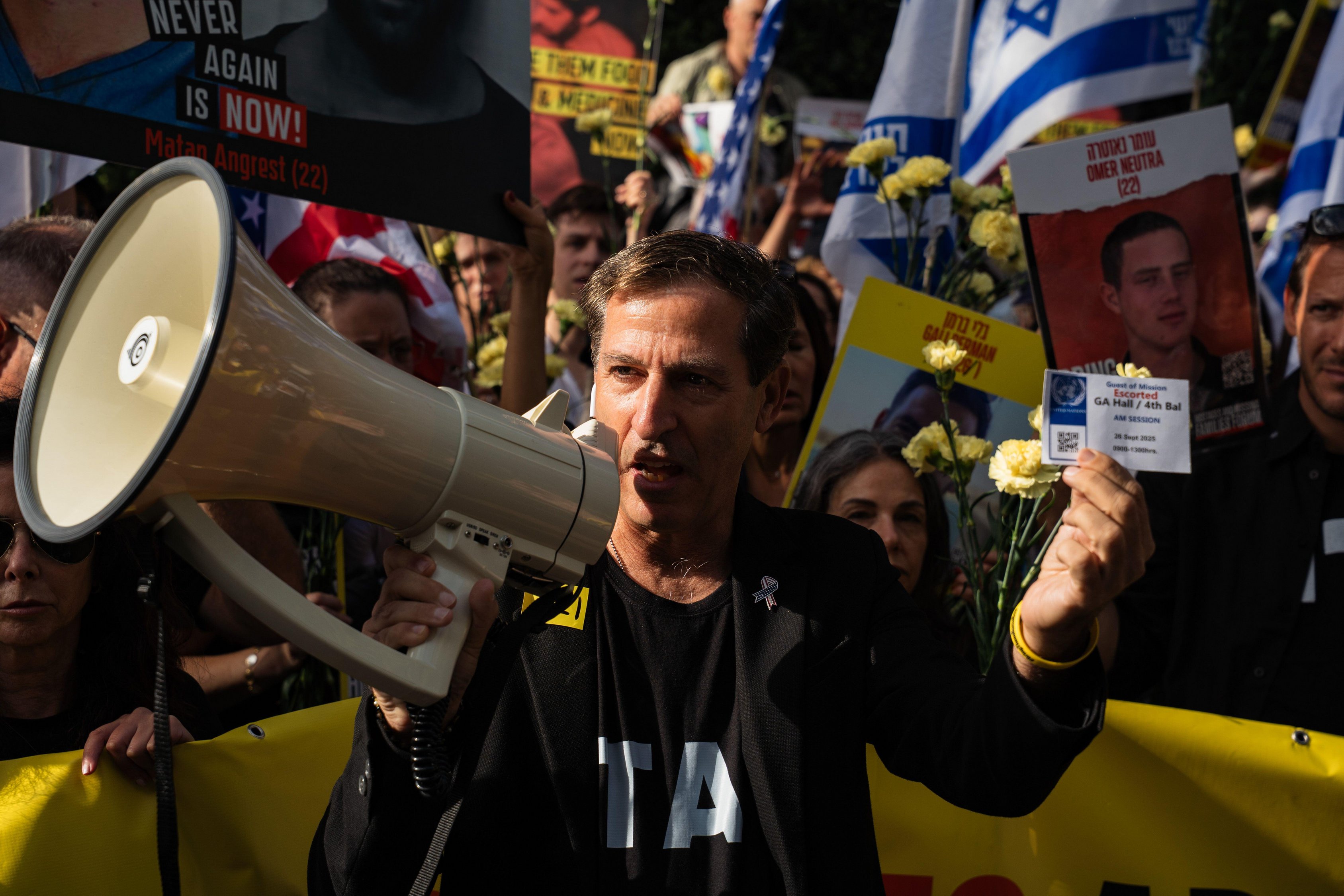
Ruby Chen
YOAV GINSBURG/ZUMA/ALAMY
Ruby and his wife, Hagit, spent the first five months after October 7 hopeful that their son was alive in captivity. But in March last year they had a call from the Israel Defence Forces to say their intelligence suggested that Itay had been killed on the day Hamas attacked.
He had been a year into his mandatory military service and on duty in a tank unit at the Nahal Oz army base, 850 metres from Gaza. He had switched shifts with another soldier, working the holiday of Simchat Torah so that he could have the next weekend off to attend his younger brother’s bar mitzvah.
Itay’s unit stood its ground when Hamas terrorists broke through the fence into Israel. But at some point its tank was disabled and the unit was attacked. One of his comrades, Matan Angrest, was abducted and held captive for 738 days before returning to Israel alive last week. But Itay and his commander, Daniel Peretz, were killed in the fighting, and their bodies taken to Gaza.
“It feels like it’s been one long day for the last two years,” Ruby Chen said. “I think it’s time for us to be able to move on.”
Until he can touch his son’s body, Chen’s doubts, and hopes, over whether Itay could still be alive play on his mind.
“It’s about removing that doubt. You always think, what if, maybe something different happened.”
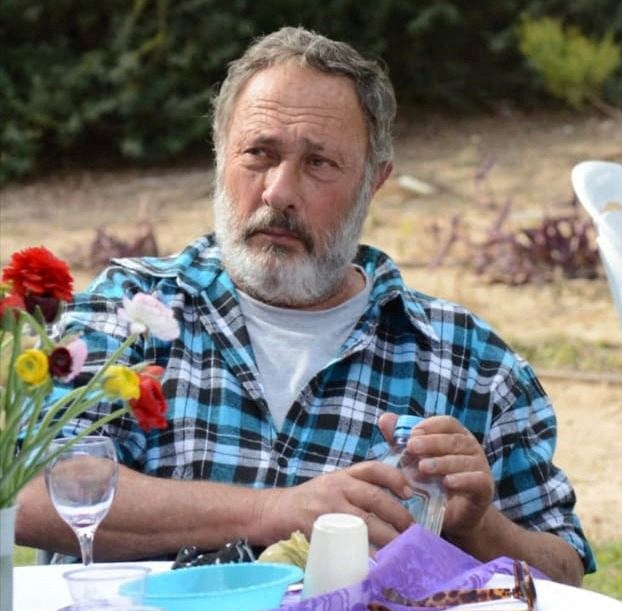
Last week, Israel accused Hamas of violating the peace agreement after failing to return 19 of the 28 bodies. A tenth body was handed over to the Red Cross late on Friday and was identified as that of 75-year-old Eliyahu Margalit. Two more bodies were handed over on Saturday night. One of them was identified as Ronen Engel, 54, a photographer and father-of-three, who was killed and abducted from the kibbutz Nir Oz.
The failure of Hamas to return the rest of the bodies threatens to derail the fragile peace agreement. Hamas says it needs specialist equipment to retrieve them. On Friday, a Turkish official told the AFP news agency that an 81-strong team from Turkey’s Disaster and Emergency Management Authority was on standby at the Egyptian border with Gaza, awaiting Israeli authorisation to enter. Equipped with specialist search and rescue tools, including life-detection devices, and trained dogs, their mission is to find the bodies both of Israeli hostages, and the many hundreds of Gazans believed to be buried under rubble.
Hamas is expected to provide location data for the hostages but there are concerns in Israel that the equipment may be repurposed to access underground tunnels. It is believed that some hostages may have been disguised in local clothing, complicating search efforts.
President Trump has insisted that the deal must progress to phase two but Ruby Chen feels that the families of the dead have been betrayed.
“There were no levers, no sanctions, no timeline and no deadline for the return of all of the hostages,” Chen said of the peace agreement. He derided the wording of a clause requiring Hamas to make “maximum effort” to return the hostages’ bodies.
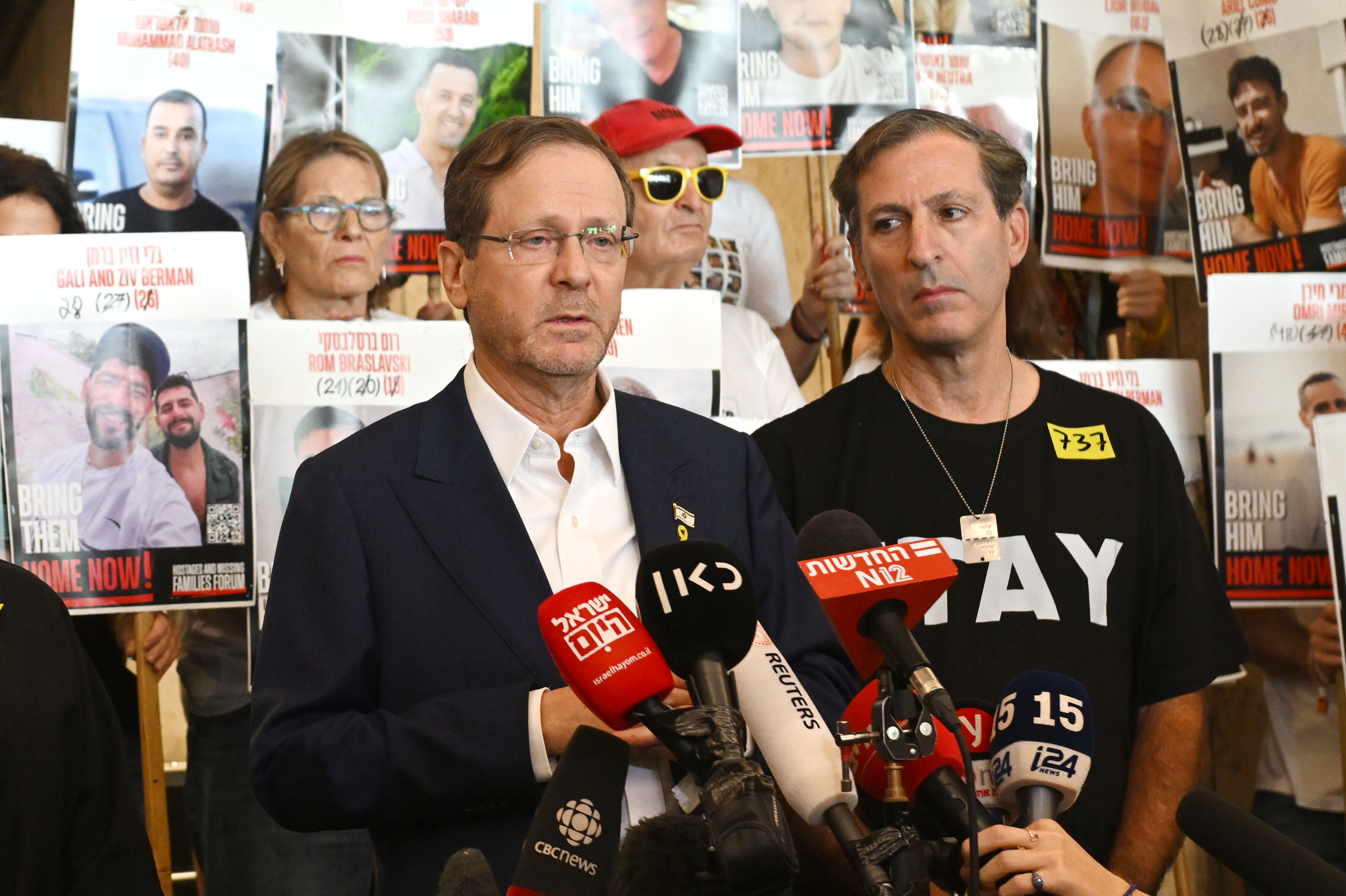
Ruby Chen appeared alongside President Herzog of Israel before the living hostages were released
ALEXI J ROSENFELD/GETTY IMAGES
“They claimed they made their ‘maximum effort’ on day one, when they were supposed to return everybody. But they only gave back four, and ever since, they’ve been playing games,” Chen said. “Hamas wants to test the boundaries and see what they can improve in the agreement. They’re lying and playing psychological tricks on us. They know where the bodies are buried.”
He had just left the funeral of Peretz — his son’s commander, whose body was returned on Monday — when he spoke to The Sunday Times. Angrest, who had been freed just three days earlier, told the mourners that he was willing to return to Gaza to bring back Itay, the remaining hostage from their unit.
Peretz’s body was taken captive with Itay’s, strengthening Ruby Chen’s belief that Hamas must know where to find his son. “The US and other mediators need to insist that the prerequisite to phase two should be completing phase one — the return of all the hostages that they have, as well as the knowledge that they possess about those they ‘do not know how to find’. I do not think that’s what happened.
“There’s a responsibility of the government of Israel,” Chen added. “Itay did his mission. He did his part. You expect the state to take care of you and get you back if you’re taken hostage.”
While Chen and the other families awaiting their loved ones’ return continue their campaign, the families of the 20 hostages who were returned alive on Monday must begin the long journey towards recovery.
Dr Michal Steinman, director of nursing at the Rabin Medical Centre is part of the managerial team of the “homecoming unit” in charge of rehabilitating returned hostages.
In their care are five of those released last week: Evyatar David, Guy Gilboa-Dalal, Alon Ohel, Eitan Mor and Avinatan Or. Steinman said they have “severe, but treatable nutrition problems”.
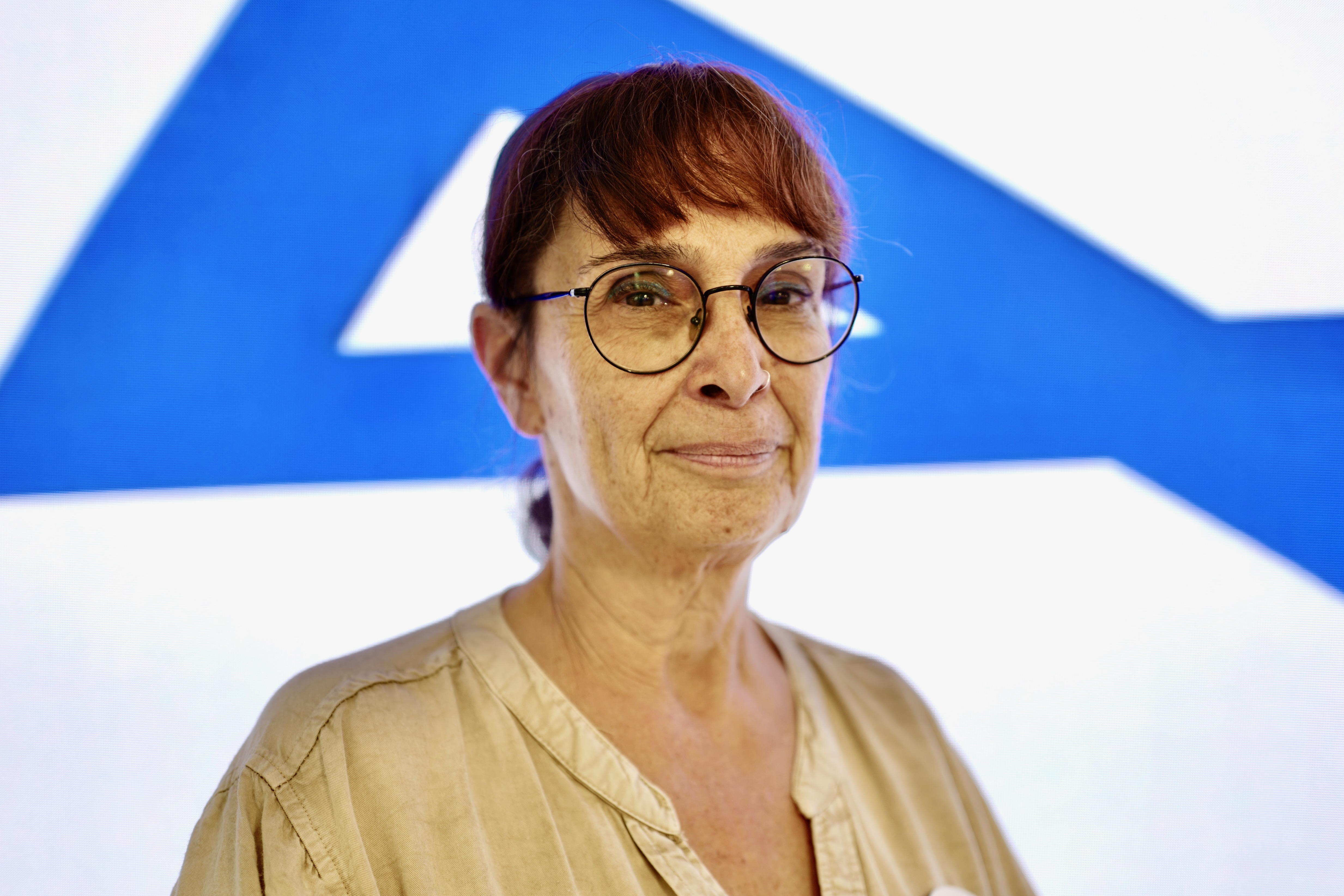
Dr Michal Steinman, director of nursing at Rabin Medical Center
VENETIA MENZIES FOR THE SUNDAY TIMES
“These five brave men that we have right here above us,” pointing to the ceiling of the hospital lobby, “they are an inspiration,” she added. “Each one of them developed survival techniques, and they came home with the will to live and be reborn.”
Steinman recalled the moment that the hostages arrived back in Israel. “They opened the van and suddenly the posters that you saw for two years are flesh and blood in front of you. It felt like the nation was sitting on my shoulders.”
Tamar Pfeffer-Gik, a clinical dietitian, described the process of rehabilitation: after initial blood tests to assess any vitamin deficiencies, the hostages were approved to eat. But the process of reintroducing food after prolonged starvation must be done delicately. “Refeeding syndrome is life-threatening. You can die from eating too much,” she said.
“When refugees returned from the Holocaust, they developed a whole protocol on how to feed them. Refeeding syndrome is a known condition in clinical nutrition, but I don’t think we ever, ever, had young people coming back from captivity like this. These are stories I used to hear from my grandmother.”
The team at the hospital are caring for some of the hostages who experienced the most severe and prolonged period of starvation. Or, 32, who was held in isolation for two years, lost 30-40 per cent of his body weight.
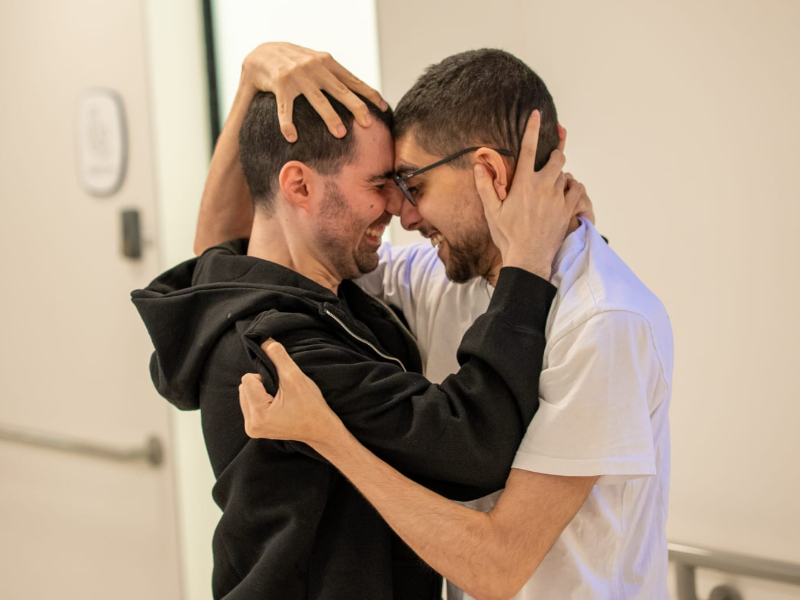
Childhood friends who were held together in captivity, Evyatar David and Guy Gilboa-Dalal, after returning to Israel on Monday.
BOAZ OPPENHEIM/GPO
Also being treated are Gilboa Dalal and David, who had been friends since kindergarten and were held captive together.
Tal Shoham was held alongside them for 481 days, before being released in February.
After visiting the pair in hospital on Thursday night, Shoham told The Sunday Times it felt like “a really heavy weight has been lifted”. But he knows better than anyone what lies ahead.
“They were in the tunnels for a year and a half. They’re overwhelmed by everything. They are dizzy and cannot sleep,” he said outside his new home in a kibbutz near Netanya.
“It hurts me to know what they are going to go through now. They are home, but I know that only now will they start the process of recovery. Everything that we went through will rise up within them, and we will need to handle it. I say we, but I already began my recovery eight months ago. Their family told me what they went through in those eight months after I was released was even worse.”
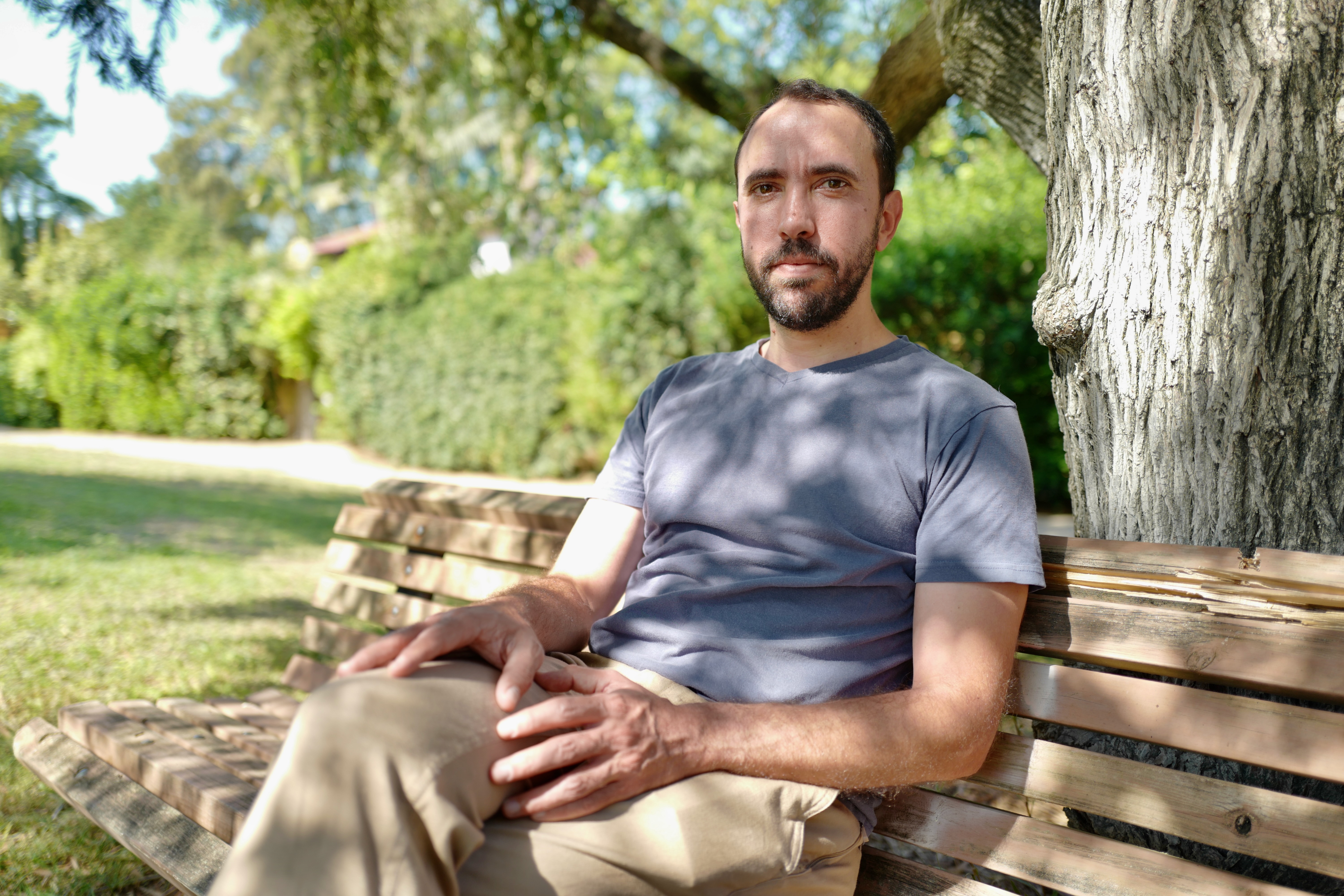
Tal Shoham
VENETIA MENZIES FOR THE SUNDAY TIMES
Shoham was kidnapped from the Be’eri kibbutz with his wife Adi and their two children, Yahel, 5, and Naveh, 10, who were released in the first ceasefire after 50 days in captivity.
After he was freed Shoham was diagnosed with scurvy and severe vitamin deficiencies after surviving on small servings of carbohydrates that he and three other men would split between them, counting out each grain of rice.
“They [Hamas] told us that we need to suffer like their people are suffering, although we didn’t have anything to do with what was happening to them. They wanted to starve us as a tool of psychological warfare. It was really clear to me when we were there that we were just pawns in this crazy war.”
Shoham said one of his captors passed him a handwritten note from his wife upon her release. This moment of humanity, which for the first time meant he knew that his family had survived the massacre at the kibbutz, gave him the strength to get through each day.
“I knew then that I needed to start my own fight for survival. Not only physically but mentally, so my children would have a father, and my wife would have a husband,” he said.
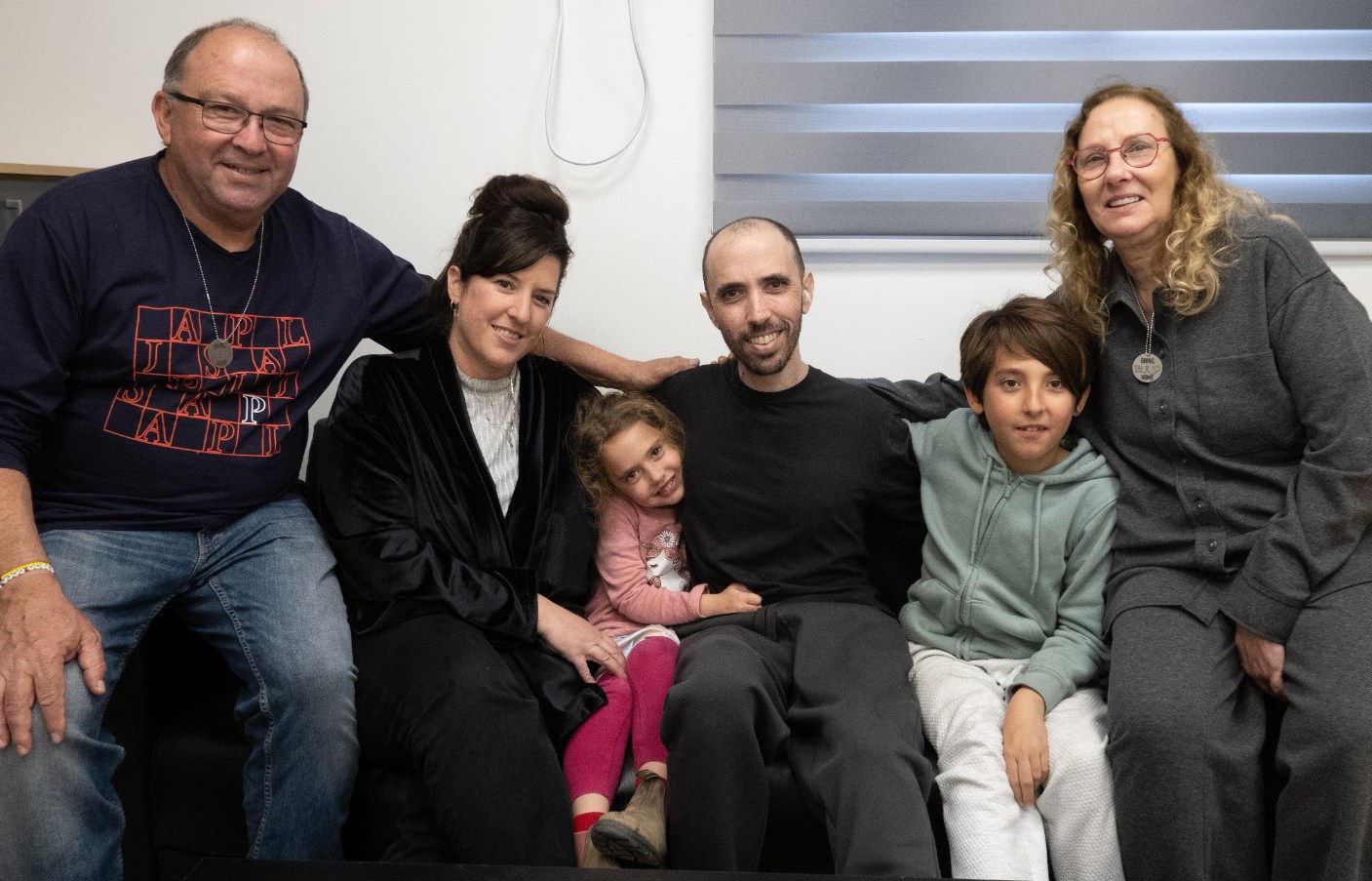
Tal Shoham during the reunion with his family and children in February
ISRAEL DEFENCE FORCE
“I told Evyatar and Guy many times, our job is not to win the war, or to be in the negotiation room. Our job is only to wake up in the morning, to find a way through the cruelty, the torture, the beatings and the starvation, and to go to sleep and wake up the next day and do it again. It’s like running, you tell yourself to keep going until the next streetlight, and then you do it again.”
Shoham said that, while he has found the body can recover quickly, psychological recovery is long and unpredictable. “It took many many weeks before I started to process the full scope of what was done to us,” he said. “Even now, my wife and I have not shared with each other the full story of what happened during our time in captivity.”
Shoham still has the support of a psychologist who he first met at the hospital after his release. The 20 hostages who returned on Monday will soon leave the medical centre, returning as and when they need as outpatients, as he did.
He believes Israel will not abandon the remaining hostages whose bodies remain in Gaza. “I hope that Trump will proceed with his plan and there will be an international team to find them and bring them home. Because otherwise, it won’t end.”
In the mind of Ruby Chen, nothing should be off the table to pressure Hamas into returning his son’s body, including military action and maintaining the closure of the Rafah crossing and restricting the entry of aid.
However, he is weary from two years of anguish. “There’s been enough fighting and enough suffering. We, the hostage families, as well as the people in Gaza, have been collateral damage.”