
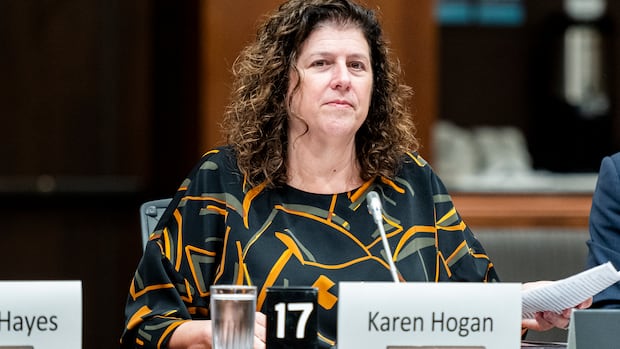
Indigenous Services Canada is getting a failing grade on several fronts from the federal auditor general.
In a scathing report released Tuesday, Karen Hogan found the department made unsatisfactory progress implementing six past audits completed between 2015 and 2022, leaving First Nations facing persistent barriers when accessing health and dental care, safe drinking water and emergency services.
“Unless significant progress is made in addressing these barriers, the federal government may struggle to improve services and program outcomes and to advance reconciliation,” the report says.
This lack of progress came despite the almost doubling of spending on Indigenous services over the last five years, Hogan said in morning testimony at the House of Commons standing committee on public accounts.
“Sustained focus from Indigenous Services Canada to rethink how it delivers programs while collaborating with First Nations to improve their capacity is an important step to resolving the persistent issues,” she told lawmakers in prepared remarks.
Indigenous Services Canada (ISC) was created in 2017 when the Trudeau government dissolved the Indigenous and Northern Affairs Department and split it in two.
Ontario Regional Chief Abram Benedict, who advocates for all 133 First Nations in the province, said the audit’s findings are sad and unfortunate but also unsurprising.
“The auditor general’s report has basically told us something that we already know: that access issues, resource issues, continue to be a major challenge for a number of our communities,” he said.
“A number of these areas … are basic human rights, necessities that many people take for granted, and sadly in our communities are being underserved and disadvantaged.”
WATCH | Auditor General Karen Hogan discusses her latest report: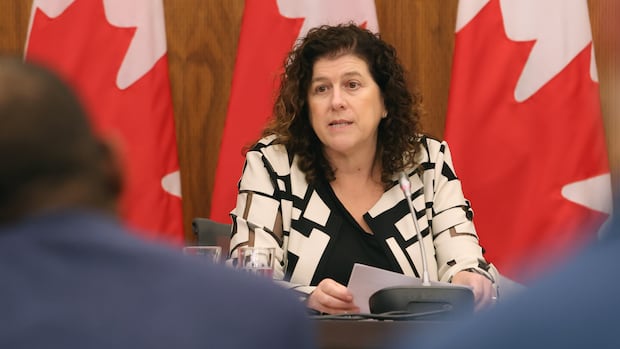
Indigenous Services Canada not delivering, causing ‘uncertainty and concern,’ AG finds
Auditor General Karen Hogan said Indigenous Services Canada ‘really needs to rethink’ their approach after finding unsatisfactory progress made between 2015 and 2022, leaving First Nations facing barriers when accessing health and dental care, safe drinking water and emergency services.
The audit says spending on programs for Indigenous peoples grew by about 84 per cent between 2019-20 and 2023-24, from $13 billion to $24 billion. However the department failed to implement 53 per cent, or more than half, of the auditor general’s recommendations.
Hogan took aim at what her report calls a lack of sustained attention from management, a lack of clarity around what level of service government is supposed to deliver, a failure to help build First Nations capacity to deliver programs themselves, and a passive and siloed approach to supporting communities.
The audit found:
Continued challenges with access to health services.Gaps in assessing the impact of oral health programs.Improved measurement and reporting on socio-economic gaps and education.Long-standing issues prevented access to safe drinking water.Critical gaps persist in emergency management amid growing threats.
Indigenous Services Minister Mandy Gull-Masty sought to put a positive spin on these findings when asked by a reporter outside the House of Commons why First Nations should accept substandard services.
The minister called the report a guidepost and path forward. She framed it not as a failure but an opportunity.
“I believe that it is critical for people to really know and understand that at ISC, we’re innovating,” Gull-Masty said in a media scrum flanked by other Liberal cabinet ministers on Tuesday.
“We are the department that works with our partners; we co-develop with them. This is where our greatest successes lie. That’s what the auditor general’s report also reaffirms for me.”
WATCH | Mandy Gull-Masty on auditor general’s report: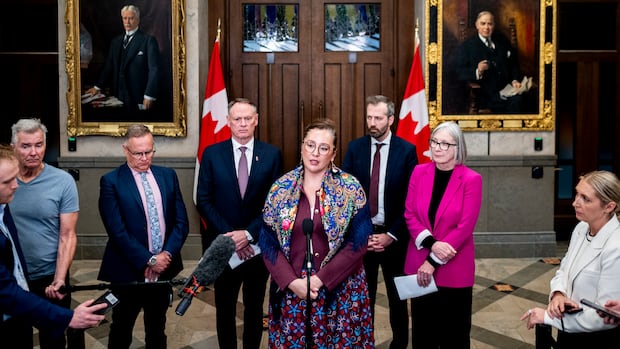
Minister says Indigenous Services would have ‘greater success’ working closer with communities
Indigenous Services Minister Mandy Gull-Masty reacts to an auditor general’s report which stated the agency has made minimal progress in alleviating barriers with health and dental care, safe drinking water and emergency services in Indigenous communities.
Gull-Masty also said in French that historically First Nations haven’t always received enough funding, adding later there were some things in the report she didn’t necessarily agree with — that the department needed to be setting better targets, for instance. Her department aims not to not tell communities where they need to be, she said, but meet them where they’re at.
“I see in the report she’s asking for faster, clearer, transparent approaches to achieving those goals,” Gull-Masty said.
“But there’s one thing that’s really important to me as a minister: that I’m also including, in partnership, those Indigenous voices that have to be at the table.”
Benedict acknowledged this response as the “government-line approach” but he agreed the report is an opportunity for Canada to do better by handing decision-making authority back to First Nations.
“The community, the rights holders, have the inherent jurisdiction to govern themselves,” he said.