
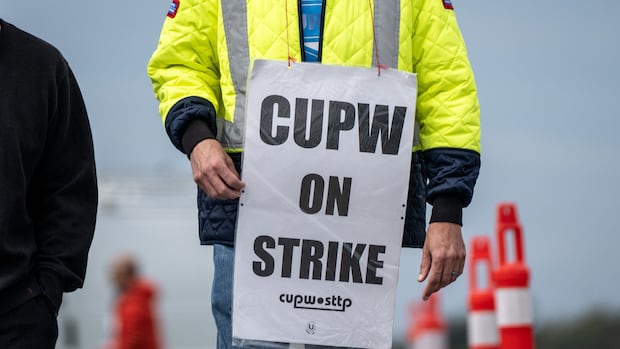
The Canada Industrial Relations Board (CIRB) has dismissed an argument from the Canada Post workers union that a government back-to-work order was unconstitutional.
In December 2024, the federal labour minister exercised their authority under Section 107 of the Canada Labour Code to direct the CIRB to end the postal workers strike and take over arbitration of the dispute.
The Canadian Union of Postal Workers (CUPW) argued that using Section 107 to force an end to the strike was unconstitutional and violated the striking workers’ Charter rights to free expression, free association and life, liberty and security of the person.
In a hearing decision, the CIRB found the right to strike is “essential” but “not absolute.” One member of the three-member board dissented.
CUPW also filed for judicial review, but there has been no decision to date by the federal court.
Hotly contested legislation
Unions have consistently decried the government’s use of Section 107 as a tool for intervening in labour disputes, saying it sets a dangerous precedent for workers’ right to strike.
They argue the tool, which has been used several times by the Liberal government in recent years to intervene in strikes, discourages employers in federally regulated industries from meaningfully engaging in bargaining and has undermined the government’s ability to end strikes.
Use of the Canada Labour Code to intervene in a strike recently came to the fore when then-Labour minister Patty Hajdu ordered an end to the Air Canada flight attendants strike hours after it had started — an order the union ignored.